A first look at Roseau

Roseau, the capital of Dominica in Saint George Parish, sits in a narrow coastal frame where the mountains seem to tumble straight toward the sea. The first impression is layered rather than dramatic: a small waterfront town backed by green ridges, with a working harbor and a relaxed rhythm that rewards visitors who arrive curious rather than rushed. Because the city is compact and walkable in feel, it suits travelers who prefer a slow base from which to absorb a place before branching out on independent day plans.
The dominant color palette is green, not turquoise, and that single fact changes the mood. Where other Caribbean capitals feel defined by their beaches, Roseau feels defined by the valley behind it, a setting that gives short excursions, market visits, and even cathedral stops a slightly adventurous edge without sacrificing comfort.
Weather and seasonal context
The climate shaping any visit to Roseau is the island's, and it can feel humid and generous with rain at times. Rather than reading the city by a calendar, it helps to read it by water: when rain settles into the valley behind town, the rivers and waterfalls respond first, and the green of the surrounding hills deepens noticeably.
In practical terms, this means packing for quick shifts between sun and showers, and planning a slower indoor-outdoor rhythm. Mornings often work well for walking, market stops, and any visit to a church or museum in town; afternoons can bring heavier showers, which makes a late lunch followed by a covered stop or a short drive a comfortable pattern. Evening light returns gently as the cloud cover softens.
If you prefer warm, dry conditions for long outdoor days, it is worth checking a live forecast before committing to a full day on foot. Travelers who don't mind a passing shower and a lush, post-rain atmosphere often find Roseau's typical climate adds to the sense of being in a tropical valley rather than on a beach resort.
Getting around and on-foot orientation
Roseau is a small capital, and much of its core is best appreciated slowly. A landmark that anchors any walking tour is Roseau Cathedral, whose volcanic-stone structure evolved from a simple wooden hut into the 1916 building visible today. The Gothic framework is softened in a distinctly Caribbean way: the upper windows are stained glass, while the lower windows are wooden shutters that open for natural ventilation, much like a typical Creole home.
That single detail, stone walls above and shutters below, is a useful orientation cue. Once you have noticed the cathedral's hybrid look, similar Creole architectural touches start appearing across the central streets, and the city becomes easier to read as a compact neighborhood rather than a list of separate sights. For most travelers, walking between the cathedral, the waterfront, and any nearby market or plaza takes only minutes.
For anything beyond the center, road transport is the practical choice. Driving from Roseau toward Soufrière Bay typically takes around 40 minutes each way, and travelers without a rental car can arrange a taxi charter for the day in a roughly $80–120 range. Self-driving offers more flexibility for early starts and spontaneous viewpoints, while a taxi charter removes the question of mountain road conditions.
Attractions and planning the day
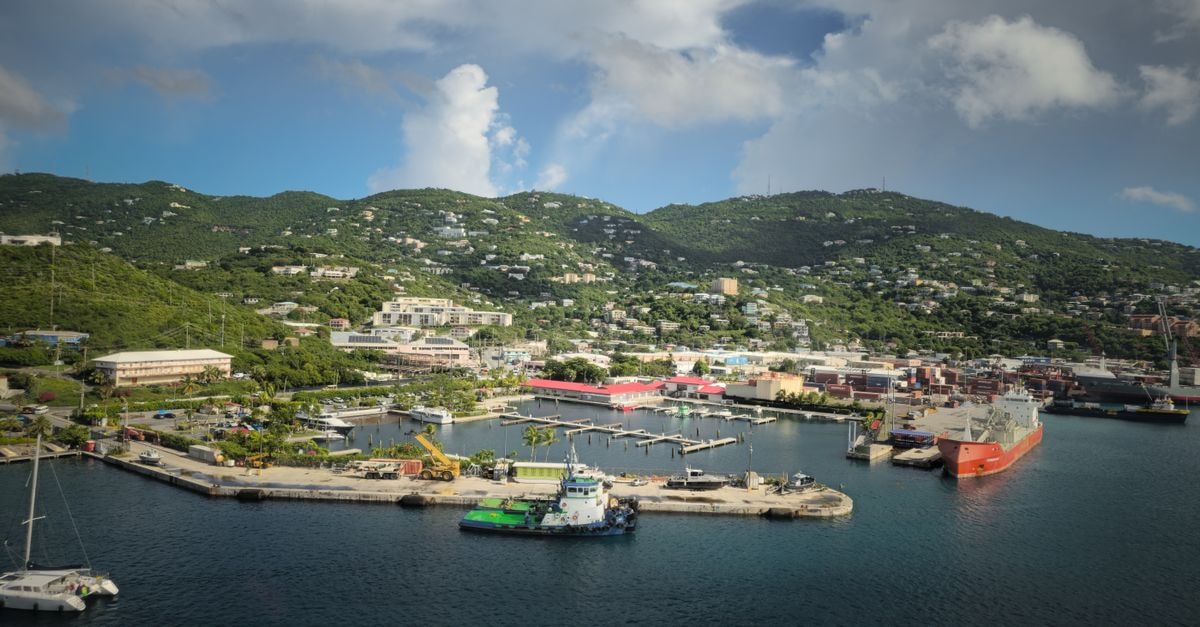
The visual signature of Roseau is the way the built environment sits against the landscape. Approached from the water, the town reads as a coastal settlement with a pier, low-rise buildings, and mountains rising behind the rooftops. That backdrop matters for planning: even a short stroll is framed by green ridges, so photography and quiet viewpoints come almost without effort.
Just beyond the urban frame, the broader valley offers a different kind of sight: a lush green valley with two waterfalls dropping from a rocky cliff. This is the kind of image that often anchors a Roseau itinerary, because it captures the combination of small-town scale and dramatic tropical geography that defines the area.
A practical day pattern, supported by the local rhythm rather than a strict schedule, can look like this: a morning walk through central Roseau, with time at the cathedral and along the waterfront; a late-morning stop at the Roseau market and Old Market Plaza, where street food for brunch runs around $8 and might include bakes and local snacks; a short afternoon drive of about 20–30 minutes to Wotten Waven village for a soak at hot springs such as Ti Kwen Glo Cho or a similar site, typically around $15; and an evening return to Roseau or a relaxed dinner in nearby Trafalgar, with meals in the $18 range.
Food and local context
Food in Dominica, as visitors often discover while eating their way through Roseau, tends to taste remarkably fresh. Traditional dishes and dining customs across the country reflect a food culture built around what is available locally, with little reliance on frozen ingredients. The first impression at many meals is simply that nothing tastes like it has been anywhere near a freezer.
That freshness is rooted in history. Dominica escaped the plantation monoculture that flattened food cultures on other Caribbean islands, which means small farms, backyard gardens, and roadside producers still shape what ends up on the plate. For travelers who care about provenance, this is one of the easier places in the region to eat close to the source.
It is worth treating Roseau's food scene as a starting point rather than a checklist. Because Dominica's food culture is broad and informal, asking locally about what is being cooked that day often leads to more interesting meals than any list could suggest. Travelers with dietary preferences will generally find that the fresh, simple style of cooking adapts well, though it is sensible to confirm ingredients directly when ordering.
Choosing what fits the trip
Roseau's appeal sits in how its small scale multiplies its geography. A traveler who wants a quiet base with one or two half-day excursions, mostly on foot and by short taxi rides, will find the city well matched to that pace. Someone hoping to combine Roseau with longer mountain or coastal drives can use the capital as a low-key hub and branch out toward Soufrière or Wotten Waven without the stress of changing hotels.
If you prefer independence and slow exploration over a packed sightseeing schedule, Roseau tends to reward that approach. The cathedral, the waterfront, and the surrounding valleys offer enough variety for several days without ever feeling crowded, and the rhythm of mornings in town followed by afternoons in the hills suits travelers who want a Caribbean visit with a sense of place rather than a resort routine.
A note before you go
Factual travel details, including prices, road conditions, and the operating status of any local stop, can change. The figures and routes described here reflect the supported evidence available for this guide and should be confirmed through official channels or a current local source before departure, particularly for transport arrangements, hot spring access, and any reef or boat activity. Currency exchange rates are referenced only where relevant and should be checked at the time of travel for an accurate rate.
Share this article
TOOLS FOR THIS PLAN
Make the Roseau plan measurable
Choose a tool only when it answers the next question in your trip. Your values stay in the browser, and each tool offers a route back to this planning context.