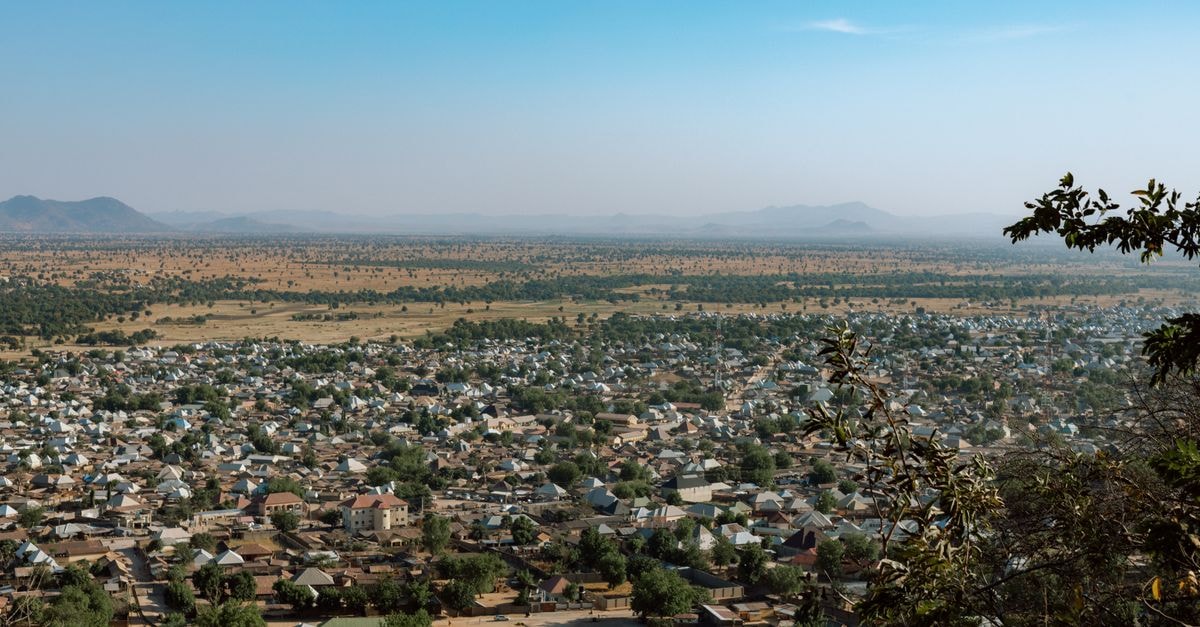
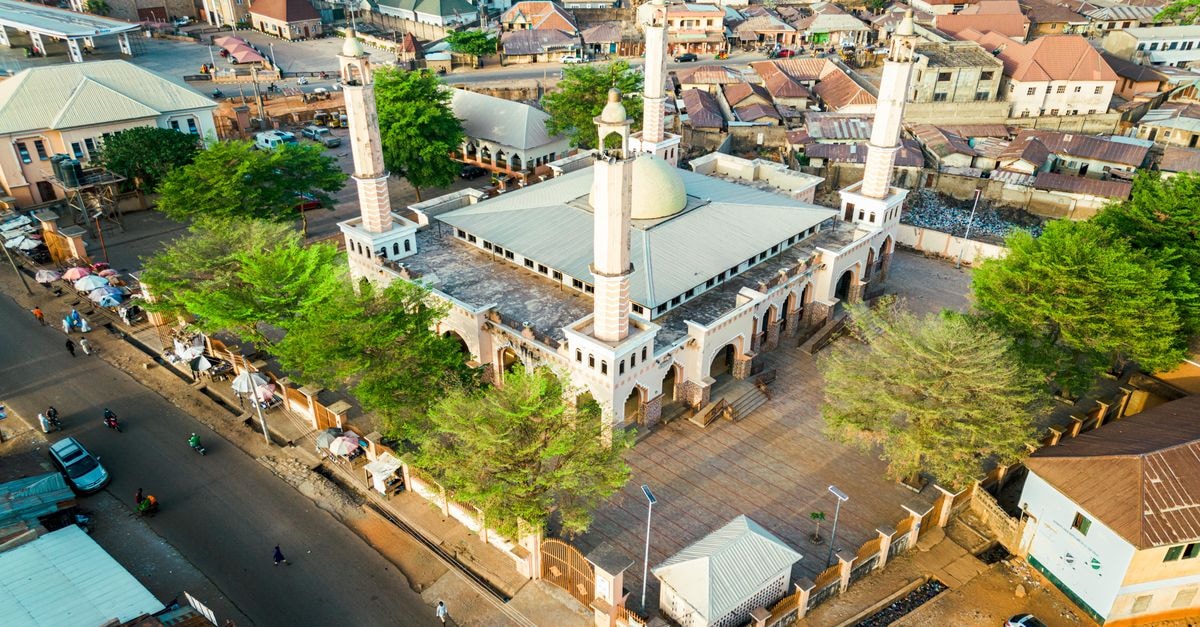
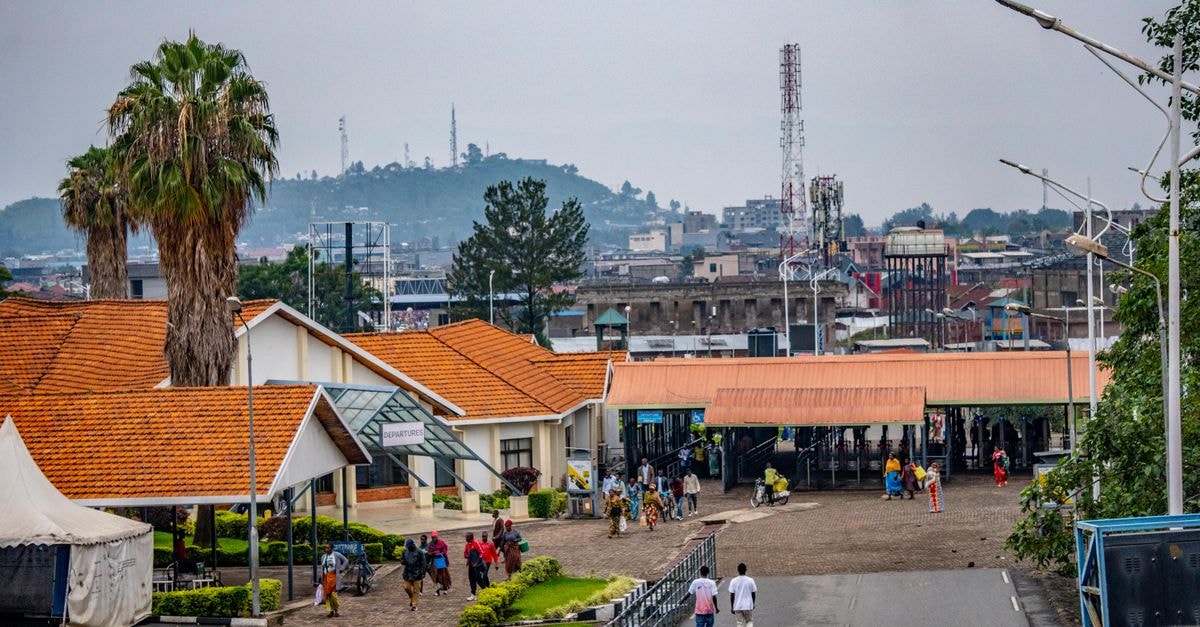
A first impression of Tshikapa

If you are the kind of traveler who prefers slow mornings, long conversations, and cultural stops over packed sightseeing schedules, Tshikapa rewards that mindset. The city is not built around a checklist of headline landmarks. Instead, its appeal sits in a single meaningful museum stop and the lived-in energy of its daily market life.
Attractions and planning
The attraction list for Tshikapa is short, and that is part of its character. Among the places travelers most often hear about, the **Tshikapa National Museum** stands out as the city's most admired cultural stop, a place where local history and regional heritage come into focus under one roof. For visitors with limited time in the city, it tends to be the anchor point of a thoughtful day.
Because the museum is the headline cultural attraction, it pairs naturally with a calmer day plan: visit in the morning when energy is fresh, then leave the afternoon open for wandering on foot and absorbing the street life. Tshikapa is the kind of place where a short walk can lead to unexpected encounters, and the museum gives the visit a sense of context before you head into the city's everyday scenes.
A few practical notes worth keeping in mind: attractions information for Tshikapa can be thin, and opening hours or admission details are not always clearly listed in English online. Plan to confirm details locally, ideally through your hotel, a host, or an on-the-ground contact, before setting out for the museum or any other stop. Travel here tends to move at a more conversational pace, and building that buffer into your day will make the experience feel smoother.
Food and local context
Food in Tshikapa is shaped less by restaurants and more by the rhythm of the local market. The bazaar is one of the most authentic places to spend a morning in the city, with activity peaking when traders set out their produce, smoked fish, and staples. The market is generally open during daylight hours, and the morning is when the bazaar feels most alive, so an early start pays off here. Even travelers who are not actively shopping tend to enjoy simply walking through, watching the trade, and getting a feel for daily life.
While the market gives you the freshest sense of place, the food culture of the Democratic Republic of the Congo provides the backdrop you will taste across the region. Congolese cuisine is often described as carrying the warmth of plantain smoke and the slow heat of palm oil, flavors that show up across the country rather than in any one city. Visitors in Tshikapa may well encounter these notes in simple roadside meals and family-style plates.
A dish that anchors many Congolese tables is **fufu**, a starchy staple made from cassava or similar tubers, typically served alongside stews, greens, or sauces. It is the kind of food that rewards curiosity: humble in appearance, filling, and central to how people eat day to day. Travelers who approach it with patience rather than expectation tend to enjoy it most.
A few gentle tips for eating your way through Tshikapa:
- Eat where it is busy. Local stalls with steady turnover are usually a good sign of freshness. - Carry small local denominations. Market traders and small eateries often work in cash. - Keep an open mind with unfamiliar dishes. Ask what something is before deciding; most people are happy to explain.
Because detailed restaurant guides for Tshikapa are limited in English, treat any local recommendations you receive in person as your most reliable source, and let the market itself do some of the storytelling.
Pacing your days
Tshikapa is not a city to rush through. The heat, the dust, and the slow tempo of street life encourage a softer rhythm: a focused morning stop at the museum, a long lunch near the market, and an afternoon of wandering rather than chasing a schedule. Many visitors find that one or two well-chosen anchors per day feel more satisfying than a packed list.
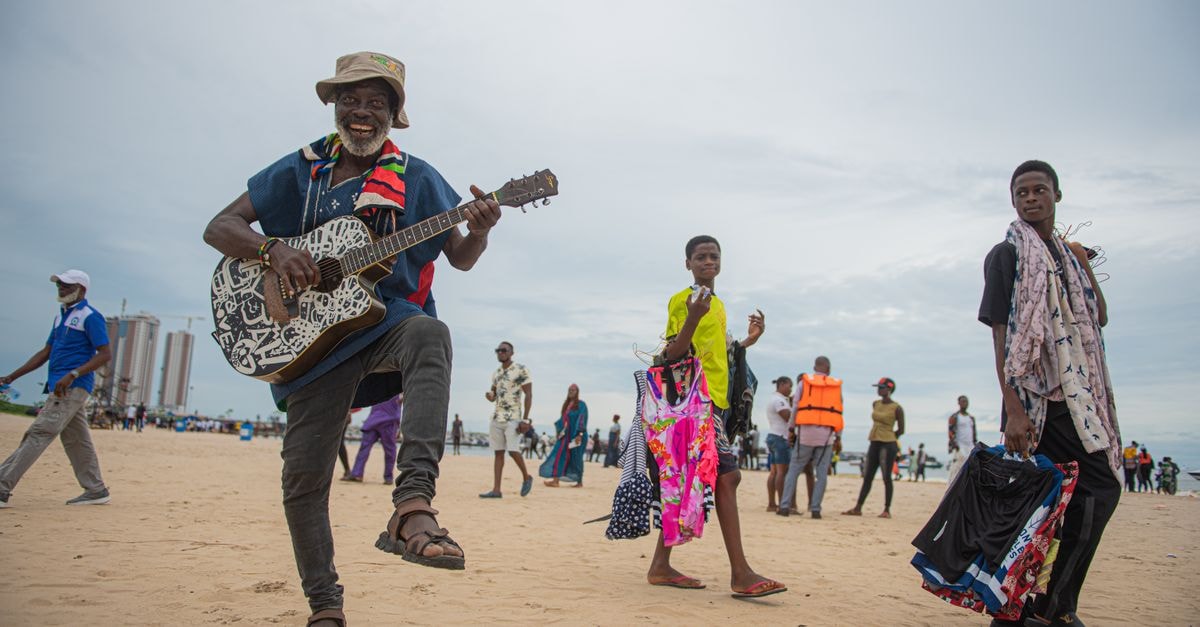
A useful mindset is to treat Tshikapa as a place to observe, not to conquer. Sit under a tree with a coffee. Watch traders haggle. Listen to the languages spoken around you. The city gives back a great deal to travelers who give it time.
A note on costs and planning
Without clearly scoped local price ranges in the approved information, it is difficult to offer a precise per-day figure that would not risk misleading readers. For budgeting, the most reliable approach is to plan conservatively in cash, allow for market meals and informal transport as your main expenses, and confirm any larger costs locally before committing. Rates and conditions can change, so keep some flexibility in your plan and check current information closer to your trip.
Before you go
Factual travel conditions in this part of the world can shift, sometimes quickly. Before departure, verify the latest guidance through official channels, your accommodation, or a trusted local contact, and treat this guide as a starting framework rather than a final checklist. With that in mind, Tshikapa offers a rewarding experience for travelers who arrive curious, patient, and ready to listen.
Share this article
TOOLS FOR THIS PLAN
Make the Tshikapa plan measurable
Choose a tool only when it answers the next question in your trip. Your values stay in the browser, and each tool offers a route back to this planning context.