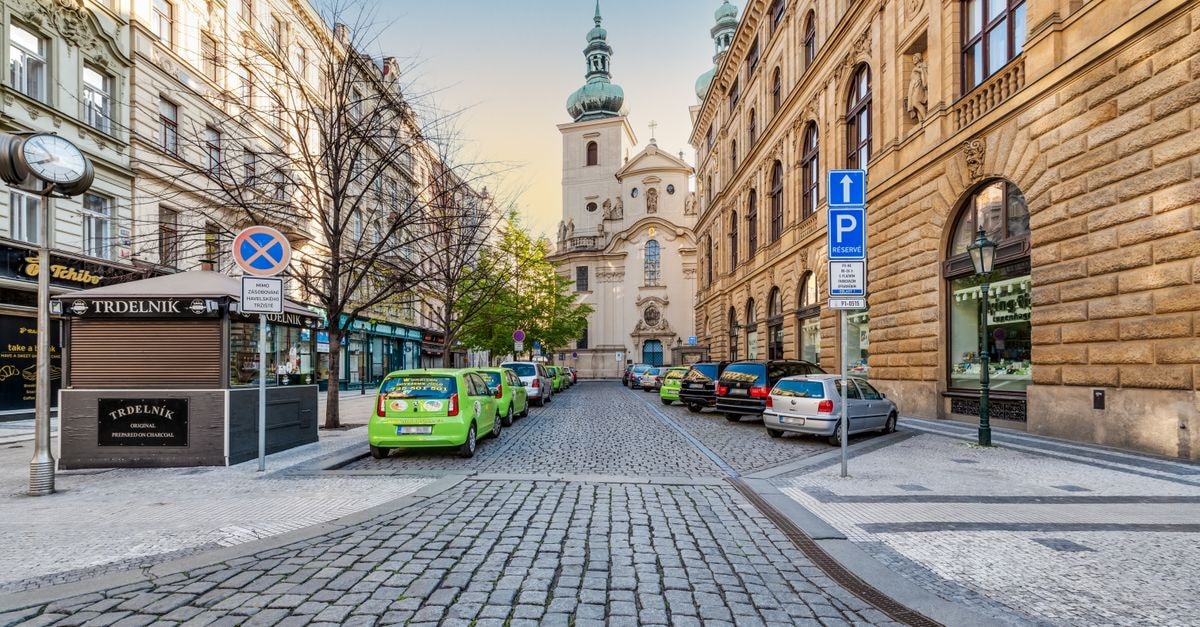
A Gentle First Impression of Palma

There's a particular hush to a Mediterranean city before the day begins — shutters still half-closed, café chairs being unfolded onto stone pavements, the sea doing its slow, silver thing along the bay. Palma de Mallorca carries that hush well. It is the kind of city where you can arrive without a hard plan, find a sunny bench near the cathedral, and let the morning unspool before deciding what kind of day you want. For travelers who like a base city that feels lived-in rather than packaged, Palma offers a relaxed rhythm that rewards wandering on foot and a thoughtful transport network that makes the rest of the city easy to reach without a car.
The city's profile has been rising in recent editorial conversations about European city breaks. Palma has been recognised by Lonely Planet as one of the top 10 cities to visit in 2025, a nod that has brought more curious visitors looking for a destination with cultural depth, a compact historic core, and the kind of sea-facing light that turns ordinary streets golden by late afternoon.
Getting around Palma
Palma's transport network is built around its public bus system, which the official city guide describes as a complete way to visit the city and other areas of the island. For most independent travelers — especially those staying centrally — the bus is the simplest way to move between neighborhoods, the seafront, and the broader municipal area without needing to think about parking or navigation. Routes run through the historic core and out toward the coast, so a single bus ride can replace a taxi or a longer walk on a hot afternoon.
If your travel style leans toward slower exploration and you like the feeling of a city passing at your own pedal pace, Palma is also well set up for cycling. The city is described as ideal for visiting by bike, and the local map highlights a network of bike paths that stitch the center together. Riders who prefer dedicated lanes rather than mixed traffic will find the path network a real asset, particularly for connecting the old town with the seafront promenade. For travelers who like to weave their sightseeing into a single loop — pausing at a viewpoint, doubling back for a coffee, then continuing — a rental bike turns the whole city into one long, browsable route.
Getting into the city is straightforward. Mallorca Airport serves Palma de Mallorca, with arrivals and general passenger information published through the airport's official channels. Travelers flying in can connect directly to the city by airport bus or coach services, and the airport also supports car hire for those who want flexibility to explore beyond the urban core. Cruise passengers arriving by ship also find Palma set up to receive them, with the port area connected into the wider transport network. For visitors driving themselves, parking in the city center is part of the planning equation and worth thinking about in advance, especially in the older streets where space is limited.
A practical rhythm many independent travelers find works well in Palma is to use buses for longer crossings — airport to hotel, hotel to a distant neighborhood — and reserve a bike for the days when the plan is simply to drift through the old town, along the waterfront, and out toward quieter residential squares.
Attractions and planning
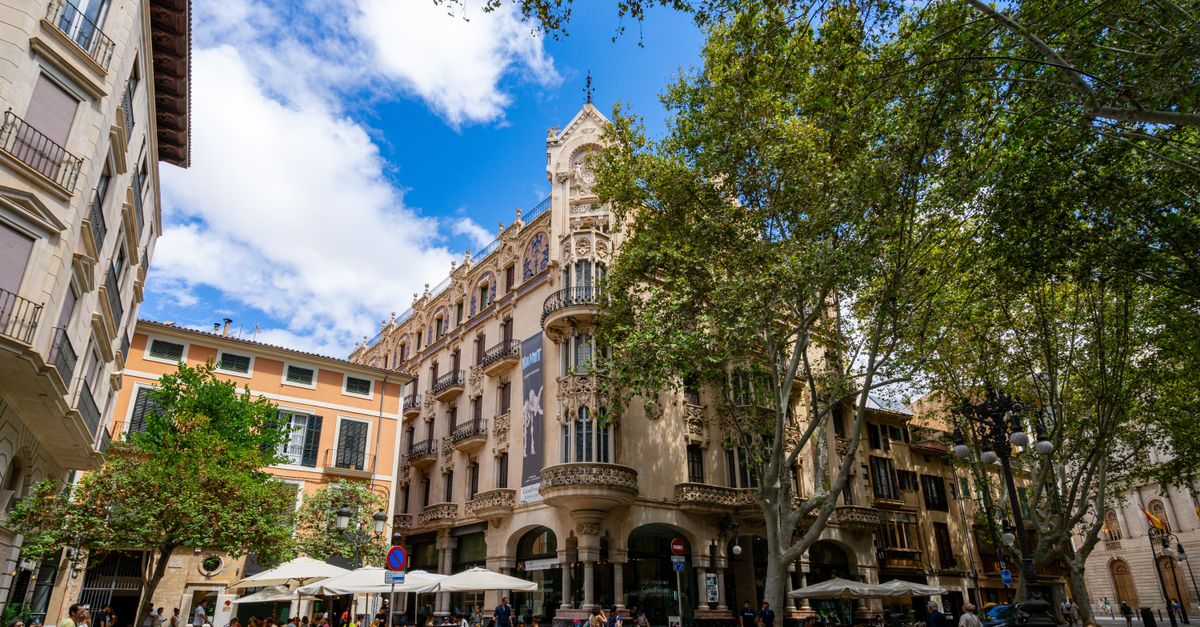
Palma rewards visitors who treat it less like a checklist and more like a neighborhood to get to know. The historic center holds most of what most travelers come for: a cathedral that catches the light differently every hour, narrow lanes that open unexpectedly onto small plazas, and a seafront that pulls you west toward quieter stretches of promenade. Lonely Planet's recognition of Palma as one of the top 10 cities to visit in 2025 reflects this combination — a walkable core, a strong cultural offering, and an easy relationship with the sea.
Because the city's main sights sit close together, planning can be intentionally loose. A simple framework that suits curious travelers is to choose one anchor for the morning — the cathedral and its surrounding old town — and one for the afternoon, perhaps a slower walk along the bay or a bus ride to a neighborhood you haven't yet explored. Travelers who like to mix cultural stops with longer, quieter stretches will find that Palma's compact size means an unhurried pace still covers meaningful ground.
Picking the pace that fits your trip
A few reader needs tend to shape how Palma feels on the ground, and the transport picture makes it easy to lean into the one that suits you. If you prefer to feel oriented quickly and want to cover more ground without driving, the bus network is the simplest backbone — hop on for crossings between neighborhoods, and walk the rest. If your idea of a good travel day includes plenty of stops for photos, coffee, and side streets, a rental bike turns the center into one continuous, flexible loop and lets you set the rhythm yourself. Travelers who arrive by cruise or fly in with limited time often find that staying within walking distance of the old town removes the need for a vehicle entirely. None of these choices excludes the others; many visitors mix all three across a stay.
A quick verification note
Because transport routes and airport services can change over time, it's worth confirming current bus lines, bike rental points, and airport transfer options through the official Visit Palma and Mallorca Airport channels before you travel. Factual conditions on the ground shift, and a quick check before departure helps your plan land smoothly.
*Travel conditions can change. Always verify schedules, routes, and entry requirements through official sources closer to your trip.*
Share this article
TOOLS FOR THIS PLAN
Make the Palma plan measurable
Choose a tool only when it answers the next question in your trip. Your values stay in the browser, and each tool offers a route back to this planning context.