Kotor in July: What to Expect

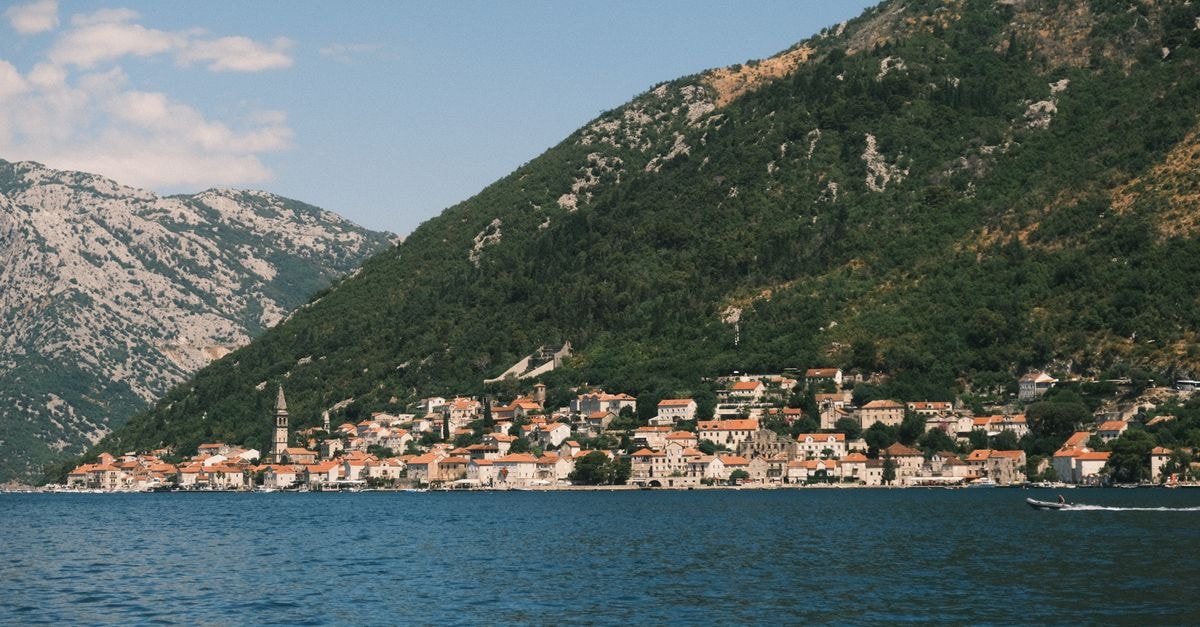
July puts Kotor at full tilt. Cruise ships arrive most mornings, the medieval Old Town hums until well past midnight, and the limestone cliffs behind the town shimmer through the long Mediterranean days. The bay is one of the deepest natural harbours on the Adriatic, and the fortifications climbing above it have been on UNESCO's list since 1979 — but July is also the hottest and busiest month of the year, with daily highs frequently pushing past 32°C and cruise-day crowds turning the narrow lanes into something close to a pedestrian bottleneck between 10am and 6pm.
This guide pulls together what July 2026 travelers actually need: the weather, the ferry and boat schedules, the fortress climbing fee, where to eat, what daily budgets look like, and which days to plan around.
July Weather and What It Means for Your Day
July in Kotor is hot, sunny and largely dry. Average highs sit around 30-32°C with overnight lows near 22-23°C, and rainfall is modest — roughly 10 mm across the month and around 8 rainy days. Brief afternoon storms can sweep through between 2pm and 4pm and pass within 20-30 minutes, leaving the polished stone streets shining afterwards. Humidity runs high because the surrounding mountains trap moisture over the bay, and the medieval walls and cobblestones absorb heat all day and radiate it back well after sunset, so the Old Town can feel oppressive even at 9pm.
The long-range July 2026 forecast shows daily highs between roughly 28.3°C and 32.1°C and lows of 21.1-24.7°C, with sea temperatures around 27°C — comfortably warm for swimming. UV is rated extreme in midsummer. Sunrise sits around 5:20am and sunset close to 9:15pm, giving a wide window of cool, photogenic light at both ends of the day.
The practical takeaway is timing. Locals and experienced guides structure July days the same way: explore from roughly 7am to 11am, retreat for a long lunch and rest between noon and 4pm, then head back out in the late afternoon and evening. Carry a refillable bottle and use the drinking fountains scattered around the old city — dehydration is a real risk, not a slogan. If you have flexibility in your dates, June and September are noticeably cooler and quieter; July rewards travelers who plan around the heat rather than fighting it.
Getting to Kotor and Getting Around
Tivat Airport (TIV) is the closest international gateway, roughly 8 km from Kotor; a taxi from Tivat into town costs around €15-20. Podgorica Airport is the other main option for travelers coming from further afield.
Inside the walls of Kotor Old Town, your feet are the only option. Cars are banned from the pedestrianised core. The Old Town stretches roughly 800 metres from the Sea Gate to the far northern walls, and the entire area is walkable in 15-20 minutes end to end at a casual pace, with 4.5 kilometres of defensive walls running up the cliff behind it.
Outside the Old Town, the most efficient way to explore the wider Bay of Kotor is by rental car. Compact cars in Kotor typically start around €30-50 per day in shoulder season (April-June and September-October), rising to €60-90 per day in July and August. Other sources cite a typical range of €35-60 per day for compact vehicles with comprehensive insurance included. Book in advance — July is when local agencies run out of stock. International rental desks operate at Tivat Airport and along the waterfront road (Jadranski Put) outside the Old Town.
If you'd rather not drive, local buses are cheap at around €1.50-3 per trip but slow, infrequent, and unreliable for timed connections to villages like Perast, Prčanj and Dobrota. Water taxis and boat tours link Kotor with Perast, Our Lady of the Rocks and other bay destinations, and prices are typically negotiable.
One important warning: don't try to park inside or directly adjacent to the Old Town. Parking is extremely limited, fines are common, and illegally parked cars can be clamped or towed. Use the designated paid lot north of the Sea Gate or the large lot near the Jadran sports complex; expect to pay around €1-2 per hour in peak season.
The Old Town and the Fortress Walls
The Sea Gate — the main western entrance dating from 1555 — leads into a near-perfectly preserved labyrinth of Romanesque churches and Venetian palazzi. The heart of the Old Town is the Arms Square (Trg od Oružja), lined with café terraces and anchored by a 17th-century clock tower. From here, every major landmark is on foot in under ten minutes.
Key stops inside the walls include:
- **St Tryphon's Cathedral** — consecrated in 1166, this twin-towered Romanesque-Gothic cathedral houses gold and silver reliquaries; entry to the treasury and upper galleries runs around €3. - **St Luke's Church** — a compact 12th-century chapel on St Luke's Square notable for its dual Orthodox and Catholic altars. - **Maritime Museum of Montenegro** — spread across a Baroque palace on Grgurina Square, tracing the bay's seafaring heritage through model ships and portraits of local captains. - **Cats Museum** — a quirky gallery-shop near the North Gate celebrating Kotor's famously well-fed street cats.
The single defining experience is the climb to the Castle of San Giovanni (Sveti Ivan), a ruined fortress roughly 260-280 metres above the Old Town. The route follows 1,350-1,355 stone steps built into the medieval walls over about 1.2 km, zigzagging through 45-75 minutes of steep, sun-exposed staircases. The fee is €15, collected between 8am and 8pm from May through September; the gate itself is reported to open at 6:30am in summer, earlier than many guidebooks state, which means an early start lets you climb for free in cooler air. The trail becomes genuinely punishing after roughly 8-8:30am when the exposed stone heats up.
Bay Excursions: Perast and Our Lady of the Rocks
Most July visitors spend at least a half-day on the water. Perast sits across the bay from Kotor and is reachable by a roughly 20-minute ferry; in July, ferries leave every 30 minutes from Kotor's main dock. Buy tickets at the kiosk and ignore the touts along the pier. Once in Perast, the highlight is the short boat ride to Our Lady of the Rocks, an artificial island church — started in 1630 and built up over two centuries by fishermen dropping rocks at the same spot. In midsummer the water is so transparent you can watch the stone foundation meet the natural seabed.
The most flexible option is a Bay of Kotor boat tour. A typical 3-hour loop glides past Our Lady of the Rocks, the submarine tunnels from Yugoslav military days, and swimming coves where the water sits around 27-30°C. In July the bay is so clear that you can pick out sea urchins several metres below the surface. Book 2-3 days in advance through licensed operators — boats sell out in peak summer — and choose outfits that run both morning and sunset trips. The 3 km waterfront promenade from Old Town to Dobrota is a calmer July-evening option.
The Kotor cable car up to Lovćen National Park and the former royal capital Cetinje are other classic day trips from Kotor and become genuinely feasible as half-day excursions with a car. Kotor's two flagship summer events — the KotorArt Festival and Don Branko's Music Days — both run through July and August, with concerts and performances across Old Town venues.
Where to Stay and Booking Pressure
July is peak pricing season, and you pay shoulder-season rates for peak-season weather. Kotor's mid-range hotels typically run €100-160 per night — roughly 30-40% above shoulder-season levels — and coastal properties are the most pressured inventory in Montenegro in July and August. Rooms inside or immediately next to the Old Town go first.
Book at least 2-3 months in advance for July and August, and longer if you want a specific Old Town address. If the Old Town is full or over budget, Dobrota and the coastal strip toward Tivat tend to be quieter and a little cheaper, and they're still walkable to the waterfront promenade.
Costs, Currency and Budget Planning
Montenegro uses the euro (€) as its currency, even though it isn't an EU member — cash machines dispense euros and most prices are quoted in euros. Exchange rates fluctuate, so treat the figures below as reference points rather than live rates and check a current converter before exchanging money.
For day-to-day budgeting in 2026, guides cite the following per-person, per-day tiers (assuming two people sharing accommodation):
- **Budget** — €55-90/day: hostel dormitory or budget guesthouse, simple meals, local buses, a few attraction entries. - **Mid-range** — €125-200/day: comfortable hotel, restaurant meals, mixed transport, broader attraction access. - **Luxury** — €265-425/day: upscale hotel, fine dining, private transport, premium tour experiences.
Coastal destinations like Kotor and Budva run 30-40% higher than inland Podgorica or Cetinje. A few specific anchors to plan around: car rental in summer starts at roughly €60-90/day for a compact; local buses run €1.50-3 per trip; the fortress fee is €15; and paid parking in the Old Town area is around €1-2 per hour in peak season.
What to Eat in Kotor
Kotor's food is coastal-Mediterranean with Venetian and Ottoman layers. The bay supplies the catch — black sea bream, red mullet, octopus, cuttlefish, dentex, scorpion fish — and the inland mountains supply the dairy and cured meats. Dishes you'll see across the Old Town's konobas and waterfront restaurants:
- **Crni rižot (black risotto)** — risotto dyed deep purple-black with cuttlefish or squid ink, briny and rich; a Venetian import that local fishermen adapted with the daily catch. - **Grilled octopus salad** — octopus grilled over olive wood, then tossed with tomatoes, red onions and parsley in a sharp lemon-olive oil dressing; a signature starter. - **Kotorska pasticada** — beef shank simmered for six hours in red wine, prunes and root vegetables until the sauce turns mahogany. - **Buzara** — a seafood stew with Venetian roots, typically made with prawns or shellfish in a base of wine, garlic and tomatoes. - **Cicvara / kačamak** — a thick cornmeal porridge enriched with kajmak (clotted cream) or cheese; a mountain staple that turns up at breakfast. - **Priganice** — small, fluffy fried doughnuts served warm with honey. - **Njeguški pršut and Njeguški sir** — dry-cured ham and mountain cheese from the village of Njeguši, served together with olives and bread. - **Rakija** — the traditional fruit brandy, often served as a welcome drink or aperitif.
Restaurants worth knowing by name include Konoba Scala Santa, the oldest in Kotor (open since 1931), with a quiet terrace and beloved fish soup; Restaurant Pržun for seafood and pasta; Cesarica and Pepe Nero for local specialities and an extensive wine list; and La Catedral Pasta Bar for Italian-leaning fare. For tasting and buying, Fine&Wine in the Old Town offers local cheeses, meats, liqueurs and Njeguški sir with a glass of local red.
Safety and Practical Tips
Kotor is a low-risk destination, but July-specific hazards are worth planning for. The medieval cobblestones inside the Old Town are uneven and become slippery after the brief afternoon storms common this month — wear flat, closed-toe shoes with grip; flip-flops are a liability on the steeper lanes near the city walls. Heat exhaustion is the more serious concern: pack a refillable bottle, use the public drinking fountains, and don't attempt the fortress climb after roughly 9-10am.
Driving-wise, the coastal road circling the bay is one of the most scenic drives in the Balkans, but parking inside or next to the Old Town is restricted and enforced. Standard Mediterranean tipping applies — around 10% for good restaurant service is the norm.
Cruise-ship days meaningfully change the Old Town's character. On heavy days, the narrow lanes between 9am and 5pm can feel genuinely overwhelming. The Port of Kotor publishes its ship calendar online; checking it before you travel lets you plan Old Town exploration for quieter days and save bay excursions for cruise days.
---
*Disclaimer: Travel conditions — including weather, prices, opening hours, ferry and boat schedules, event programming and currency rates — can change. Confirm with official tourism sources, your accommodation and tour operators before departure.*
Prices, opening hours, schedules, reservation rules, and local conditions can change; verify them through official channels before departure.
Share this article
TOOLS FOR THIS PLAN
Make the Kotor plan measurable
Choose a tool only when it answers the next question in your trip. Your values stay in the browser, and each tool offers a route back to this planning context.