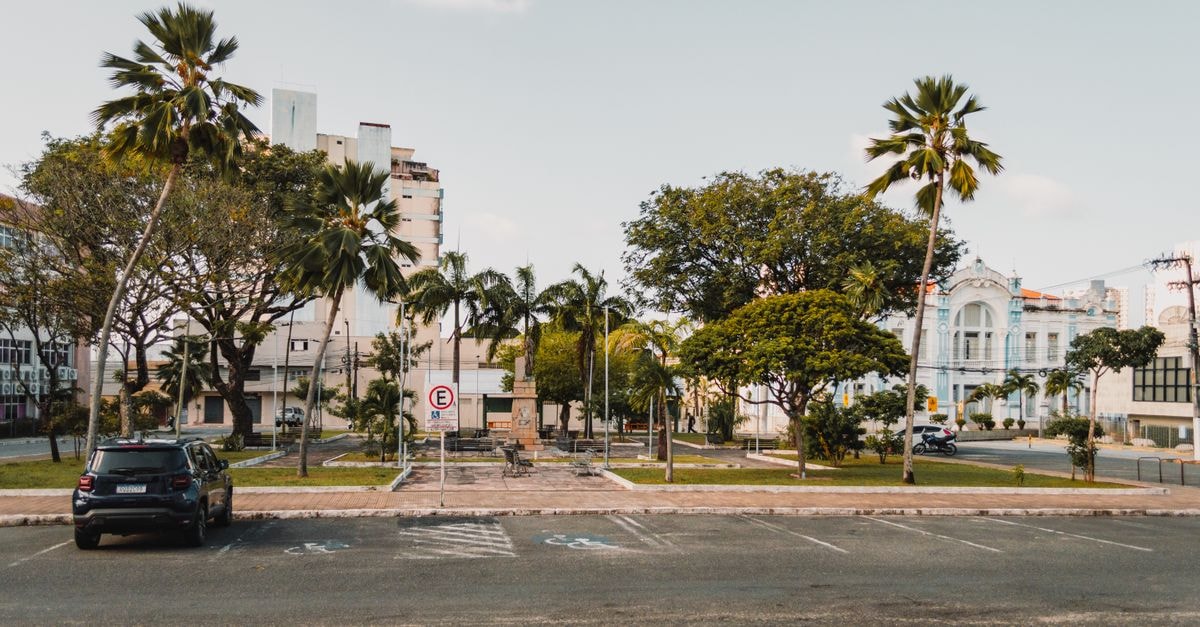
Weather and Seasonal Context

Daytime temperatures hover around 25°C / 76°F, which is mild enough for lightweight clothing but warm enough that breathable fabrics are usually welcome. Humidity is high — the local reading sits at 98%, which gives the air that tropical, sometimes heavy feeling that Panama is known for. Wind is light at around 4 km/h, so don't count on a breeze to dry sweat on the move.
Because the available climate data does not directly describe a particular month, this guide stays evergreen rather than tying advice to a specific season. What travelers can rely on is the general pattern: warm days, very humid air, gentle winds, and the chance of a tropical shower. Pacing the day differently — pausing midday when humidity feels heaviest, carrying water, and planning indoor stops for the warmest hours — tends to suit these conditions well.
Getting Around During the Pollera Festival
One travel-planning note stands out for La Chorrera, and it concerns the Pollera Festival, a celebrated expression of Panama's national dress. During this period, the city can see major crowds and some businesses close. If a visit lines up with the festival, planning travel early is a sensible move: book any accommodation well in advance, expect streets to be busy, and build a flexible schedule that allows for closures or changed opening hours.
If the festival isn't part of your plans, the takeaway is still useful: even outside festival weeks, La Chorrera's rhythms shift with local events, so checking ahead for closures or transit changes around any major celebration is a good habit. Outside of those peak festival moments, getting around the city is straightforward on foot in the central areas, and local buses and taxis connect the surrounding neighborhoods.
Food and Local Context
La Chorrera itself doesn't have a city-specific culinary profile in the verified evidence, so it's worth framing what visitors can expect more broadly. Panama, the country visitors will be experiencing while in La Chorrera, is often described as a vibrant Central American nation offering a unique blend of modern cosmopolitan life, rich colonial history, and pristine natural wonders. That variety is part of what travelers tend to notice as they move between the provinces.
For travelers, this means a useful approach is to treat meals in La Chorrera as part of the wider Panamanian experience rather than a standalone culinary destination. Panama's identity as a nation that bridges continents — quite literally through the Canal — tends to come through in the diversity of its everyday food. Looking for places where locals eat, asking about daily specials, and being open to the small neighborhood spots that may not appear in international guides are practical habits that help visitors engage with that broader cultural setting.
Planning a Practical Visit
With the verified evidence kept in view, a few grounded tips come together naturally. Because the climate record describes consistently warm temperatures around 25°C with very high humidity, lightweight and quick-drying clothing serves travelers well. Because the Pollera Festival can significantly change the city's pace, anyone traveling during that window should plan early and expect a different feel from a quiet week.
Because the source set does not include specific ticket prices, restaurant menus, or attraction opening hours for La Chorrera, this guide deliberately avoids naming or implying any. Instead, the practical advice stays focused on what is supported: prepare for humid tropical weather, respect the festival calendar, and engage with the wider Panamanian culture that visitors will encounter.
Final Note
La Chorrera rewards travelers who arrive with flexible expectations and a willingness to read the local rhythm. The verified picture is a small one — warm weather, a major festival to plan around, and a wider Panamanian cultural context to step into — but it is enough to set a traveler up for a thoughtful visit. Conditions on the ground can change, so checking official channels and local sources before departure is always a wise final step.
Share this article
TOOLS FOR THIS PLAN
Make the La Chorrera plan measurable
Choose a tool only when it answers the next question in your trip. Your values stay in the browser, and each tool offers a route back to this planning context.