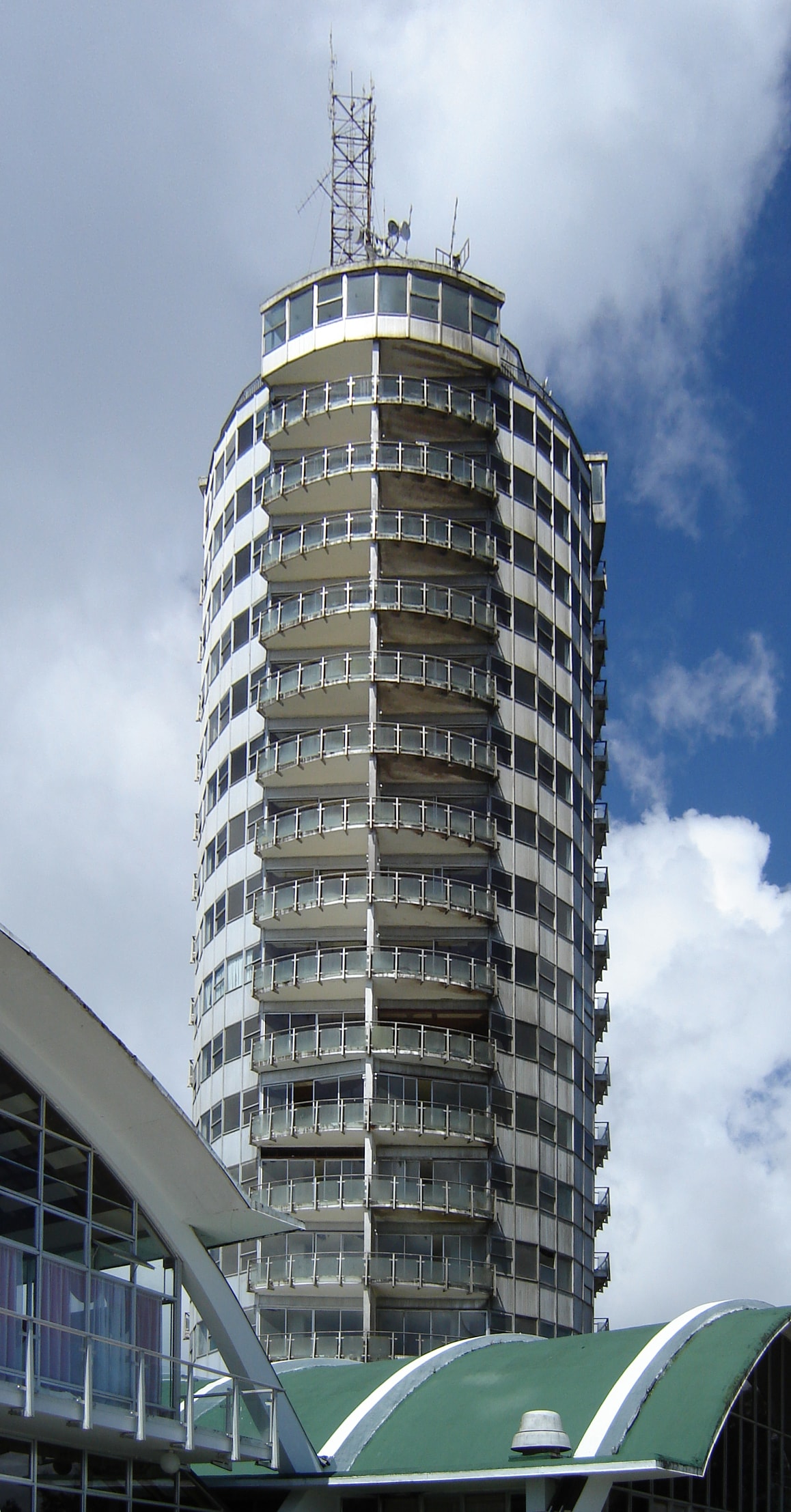
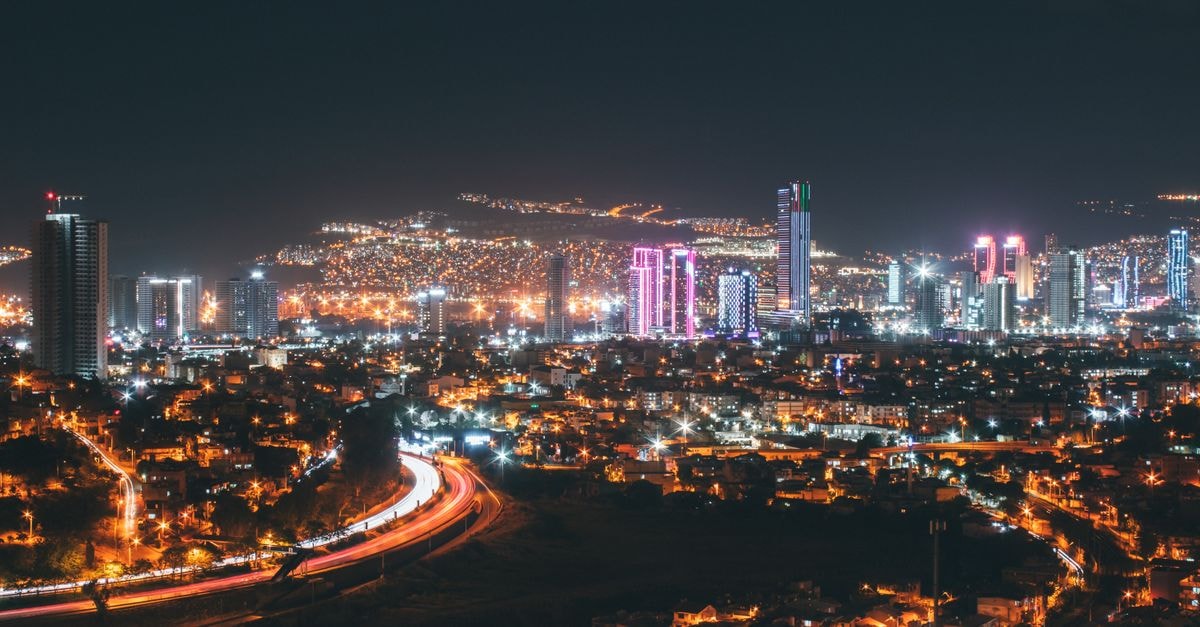
A coastline that opens onto the Caribbean

La Guaira is the kind of port city that announces itself before you arrive. Sitting on a slender ribbon of land where the green shoulders of El Ávila National Park tumble down toward the sea, it serves as Venezuela's main maritime doorway to the Caribbean (F6-2). The setting alone shapes the experience: the air often feels salty on one side and forested on the other, and the rhythm of the city is tied to ships, hills, and a coastline that catches the light in shifting ways throughout the day.
For travelers, La Guaira reads less like a checklist of sights and more like a layered gateway. The official tourism portal of the Gobernación del Estado La Guaira frames the destination as somewhere offering "una experiencia única e inolvidable," full of "aventura y belleza" (F4-2). That is a useful starting frame: come expecting variety, and let the city reveal itself through its geography, its working port personality, and the easy sense that Caracas and the coast are close neighbours here.
Weather and seasonal context
The first thing to internalize about La Guaira is its geography, because the geography also drives the climate. The city is described in visitor literature as a picturesque maritime gateway that opens onto the Caribbean, nestled between the blue waves and the slopes of El Ávila National Park (F6-1, F6-2). That narrow strip between mountain and sea means conditions can shift quickly within a single walk: bright and breezy near the water, softer and more shaded where the hills block the sun.
Because no direct temperature or rainfall figures are available in the approved ledger, this guide is written as evergreen context rather than a forecast. A reasonable mental model is to expect a warm coastal climate shaped by the Caribbean and moderated by the elevation of the surrounding park, with humidity that can linger near the waterfront and cooler pockets where the green slopes of El Ávila cast longer shade (F6-2). Pacing the day around shade breaks and water is generally a comfortable approach here, especially if you plan to move between the coast and any elevated viewpoints.
Getting around and current advisories
Getting around the city itself is shaped by its terrain. The same strip of land between the Caribbean and El Ávila that gives La Guaira its visual drama also narrows the road network, which can make walking between central points a pleasant option when the heat is manageable. Where walking isn't practical, the more sensible habit is to treat every timetable, route frequency, and fare as something to confirm on the ground rather than something to plan in advance, because no fixed schedules or prices appear in the approved evidence for this guide.
Food and local context
It helps to walk into La Guaira with a sense of the wider Venezuelan table, since the city sits within a national food culture rather than a fully separate one. Venezuelan food culture is often described as emphasizing family gatherings, sharing large communal meals, and eating arepa as a staple at nearly every meal (F8-1). That framing tells visitors something useful even before the first plate arrives: meals here tend to be social, generous, and built around sharing rather than individual portions.
The arepa itself is worth understanding as a foundation of the national kitchen. It is a cornmeal patty griddled until the exterior forms a thin, crackling shell while the interior stays steamy-soft (F7-2). Across Venezuela, maize carries a quiet insistence in the cooking, anchoring everyday meals as well as festive ones (F8-2). For travelers, this translates into a simple, flexible default: an arepa of some kind is almost always within reach, and asking which fillings are typical that day is usually the easiest way into the local rhythm.
Wider Venezuelan food culture is often described as a place "where the Caribbean Meets the Andes," a useful reminder that the national cuisine stretches far beyond a single coastline or city (F7-1). In La Guaira, that broader identity shows up in everyday form rather than as a curated tasting menu: shared plates, corn-based staples, and the easy sense that mealtime is a pause in the day rather than a transaction.
How to use this guide on the ground
On the food side, lean into the wider Venezuelan pattern: expect shared meals, expect arepas, and expect maize to keep appearing in different forms across the day (F7-2, F8-2). Treat the table as a way to meet the country rather than as a checklist, and remember that the broader Venezuelan food culture you encounter in La Guaira is part of a national picture rather than a city-specific specialty.
A final practical reminder: factual travel conditions can change quickly. Before departure and again on arrival, check current advisories, confirm whether any specific balneario is open, and verify the latest information through official local channels. This guide is built to be useful between those checks, not to replace them.
Verification note
This article is grounded in the approved factual ledger for La Guaira. No opening hours, prices, restaurant names, schedules, day-trip destinations, or closure dates have been invented. Where current conditions affect the trip, such as balneario restrictions following seismic activity, the source is flagged so readers can confirm before acting.
Prices, opening hours, schedules, reservation rules, and local conditions can change; verify them through official channels before departure.
Share this article
TOOLS FOR THIS PLAN
Make the La Guaira plan measurable
Choose a tool only when it answers the next question in your trip. Your values stay in the browser, and each tool offers a route back to this planning context.