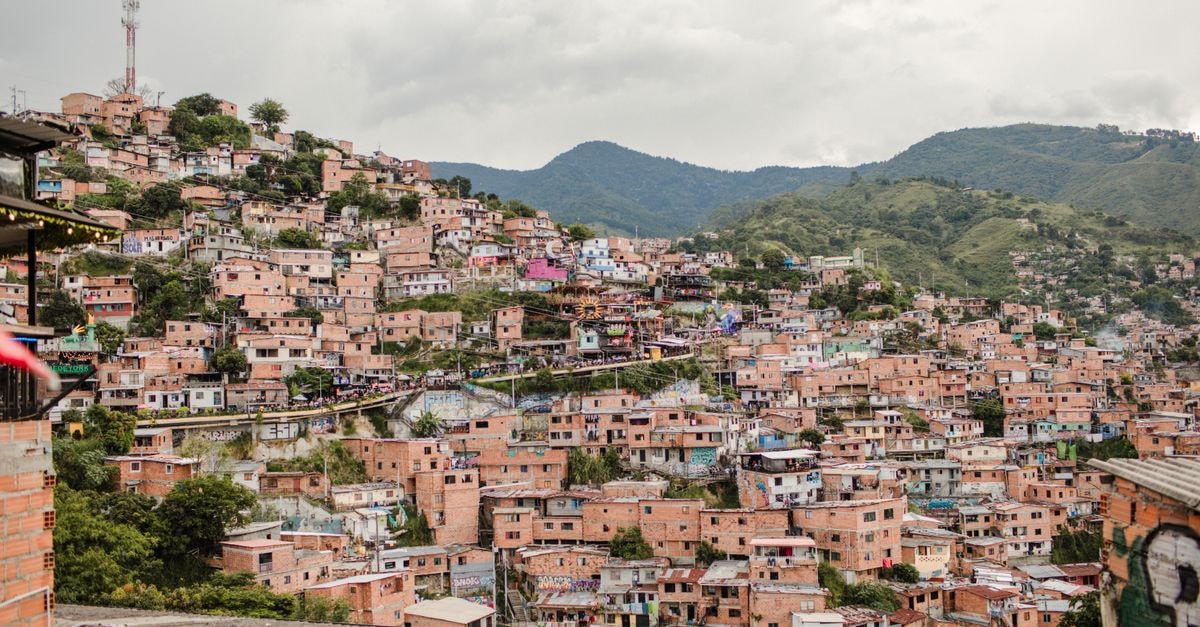
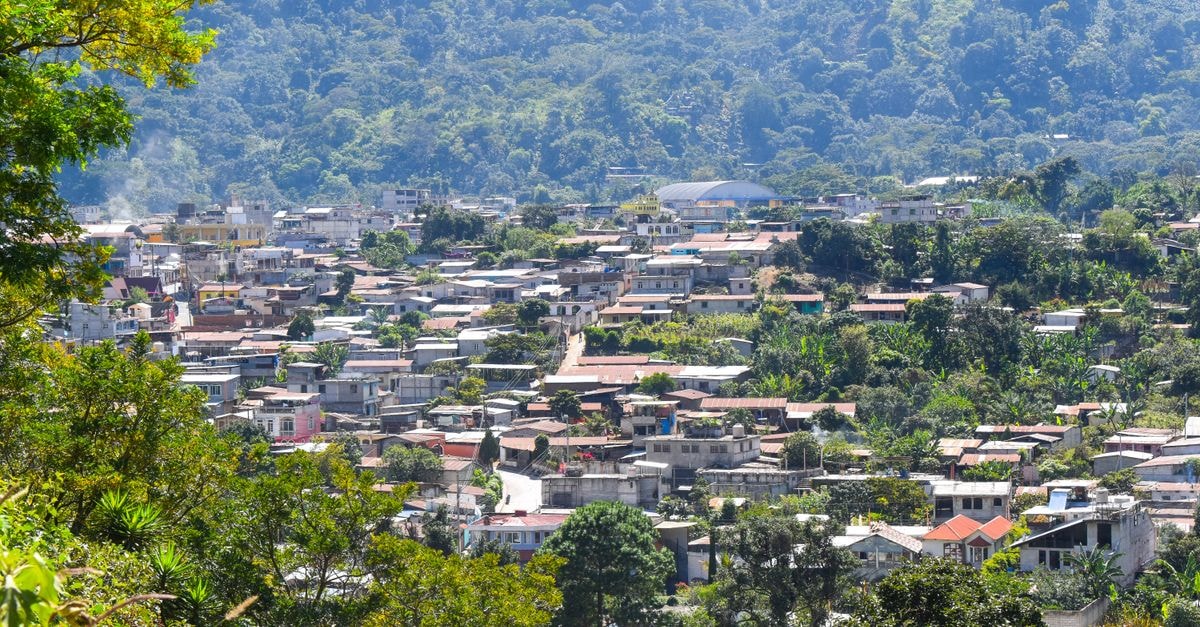
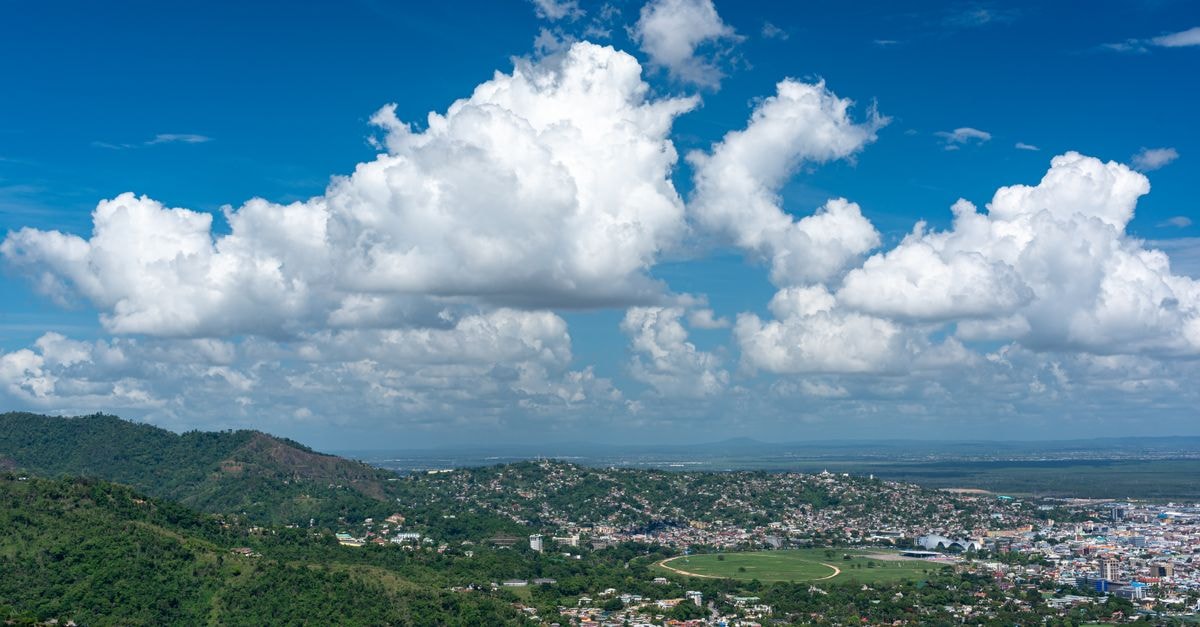
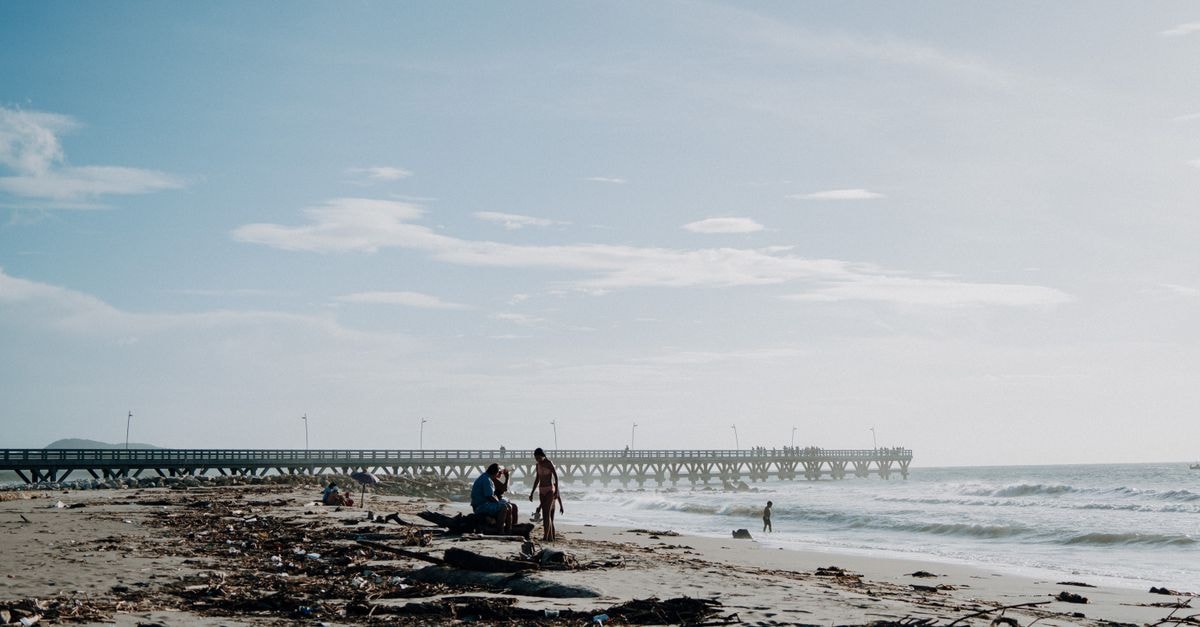
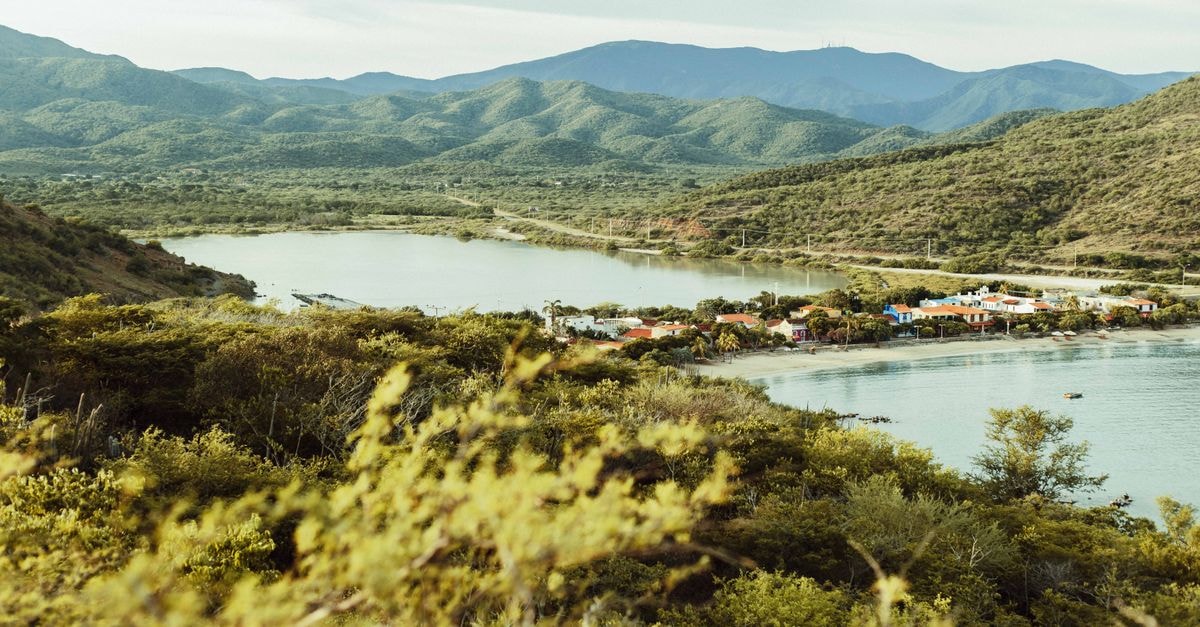
This guide is built for travelers who want a calm, honest look at what visiting San Felipe is actually like: how the town is laid out, where two of its most recognizable civic spaces sit, and how the rhythms of Venezuelan food culture surface in everyday meals.

Weather and seasonal context
San Felipe is known for its bustling industrial and commercial activities, and it serves as a vital transportation hub in the area. That working-town identity matters for visitors, because the climate shapes the day in practical ways rather than dramatic ones.
If you have flexibility in your travel dates, a window with milder daytime temperatures is usually the more pleasant way to experience a city built around transit and outdoor squares. Checking a current forecast close to your trip is a sensible move, since conditions in tropical latitudes can shift quickly.
Getting around
San Felipe is a city shaped by transit and commerce, which is helpful to know before you arrive. The Plaza Bolívar, a historic square in the center of San Felipe, anchors the urban layout and features a statue of Simón Bolívar. For orientation, this square is the natural meeting point and the easiest landmark to ask directions toward from any driver or local. Most of the on-the-ground activity you will want to experience clusters within a walkable radius of the center.
One practical note: because San Felipe is a working commercial city rather than a heavily touristed one, signage and information infrastructure tend to be aimed at residents. Asking for directions in clear, simple Spanish, or pairing up with a local contact for the first day, will save time and frustration.
A cultural stop worth a slow hour
Within the central area of San Felipe sits the Casa de la Cultura, an art center hosting exhibitions and cultural events. Spaces like this are often the most rewarding places to read a city's personality, especially in a town whose main attractions are everyday rather than monumental. Drop in to see what is on display, and if your visit lines up with a scheduled exhibition or event, treat it as a highlight rather than an optional extra.
Pairing the Casa de la Cultura with the Plaza Bolívar makes for a calm, low-effort half-day in the center. Start at the square, take in the statue and the people-watching, then walk over to the cultural center. This kind of slow combination tends to suit San Felipe well, because the city does not push you toward a packed checklist.
Food and local context
Venezuelan food culture, in broader national terms, emphasizes family gatherings, sharing large communal meals, and eating arepa as a staple at nearly every meal. Venezuelan cooking carries a quiet insistence rooted in maize, and the arepa, a cornmeal patty griddled until the exterior forms a thin, crackling shell while the interior stays steamy-soft, is widely treated as foundational. As a visitor in San Felipe, you can reasonably expect to encounter arepas and other shared-meal rhythms through everyday restaurants, street stalls, and family-style spots, since these are nationwide patterns rather than something unique to a single city.
That broader national food culture also explains a useful social cue. Meals in Venezuela are typically treated as social occasions, large, shared, and unhurried. If you are invited to eat with locals or sit down at a family-style table, the rhythm will likely be slower than a quick-service restaurant back home. Embracing that pace, rather than watching the clock, tends to be the more rewarding way to experience it.
What a slower visit looks like
A trip to San Felipe rarely calls for a long checklist. Most travelers get the most out of a stay built around the central area: time at Plaza Bolívar, a visit to the Casa de la Cultura, and unhurried meals that lean into the national rhythm of shared plates and arepas. The city's role as a working commercial center also means that markets, transit points, and everyday streets are part of the experience, not background noise.
If you are the kind of traveler who enjoys learning how a place actually lives rather than ticking off landmarks, San Felipe is a good fit. If you need a packed itinerary of headline sights to feel satisfied, this is the kind of city where that approach will leave you restless. Matching your expectations to the city itself is the single most useful travel tip.
A note on changing conditions
Travel conditions in any working city can shift quickly. Local transit options, opening hours for cultural spaces, and on-the-ground logistics are best confirmed close to your trip through official channels, your lodging, or trusted local contacts. Treat this guide as a starting framework rather than a live confirmation of every detail.
---
**Editorial verification note:** This guide is built only from the approved factual ledger and is written as durable, evergreen city guidance.
Share this article
TOOLS FOR THIS PLAN
Make the San Felipe plan measurable
Choose a tool only when it answers the next question in your trip. Your values stay in the browser, and each tool offers a route back to this planning context.