A quiet capital with a sense of place

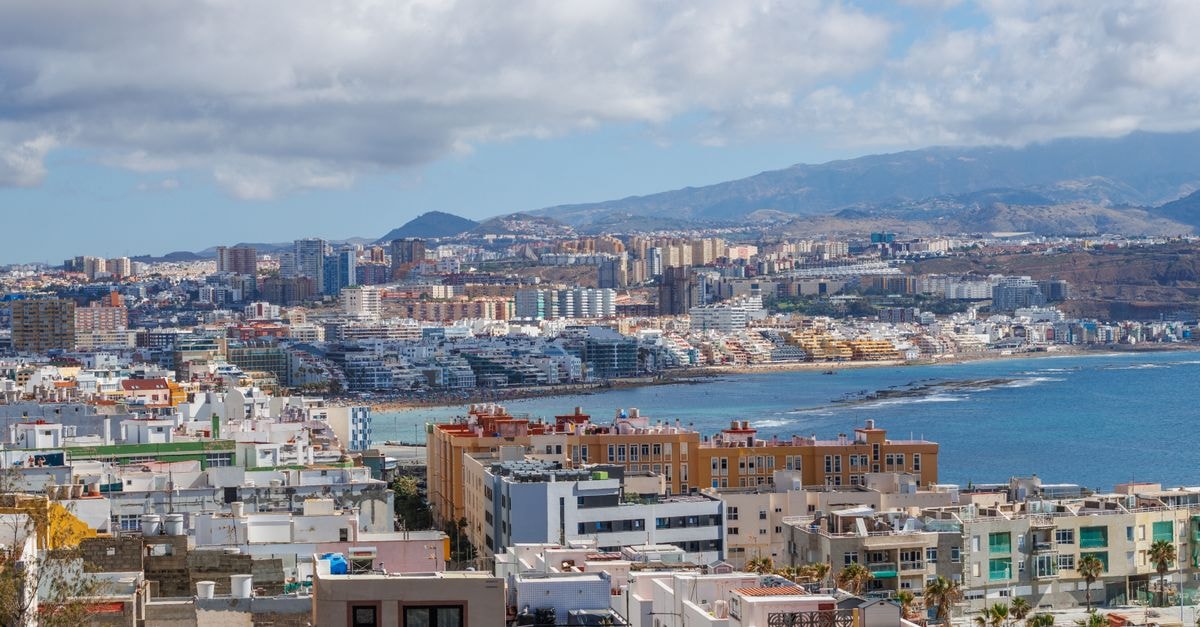
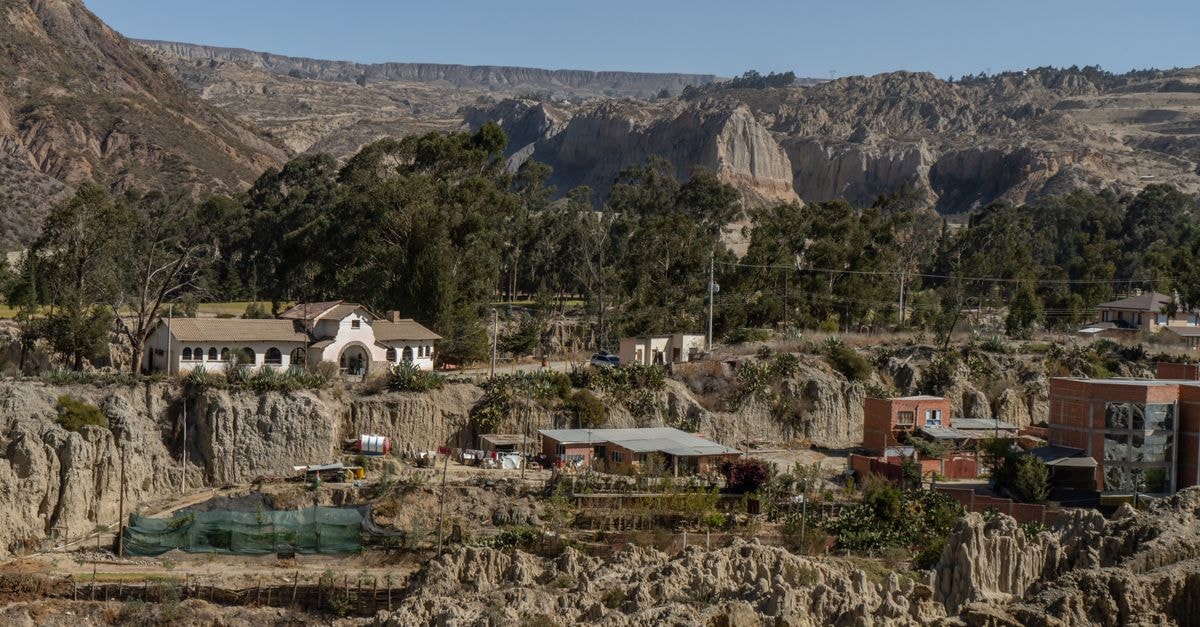
Tucked into the foothills of western Argentina, the city of La Rioja carries the feel of a slow afternoon: sunlight on adobe walls, a low hum of conversation drifting from a shaded courtyard, and the distant silhouette of surrounding sierras softening the horizon. As the capital of La Rioja province, it offers a relaxed counterpoint to the country's better-known metropolises, with a compact center that invites unhurried exploration.
This is a guide for travelers who prefer texture over checklists, who would rather spend an afternoon tracing neoclassical details across a centuries-old facade than chase a packed itinerary. The city rewards a measured pace, a curious palate, and an interest in the regional flavors that shape northwestern cuisine. Below is a grounded look at what to see, what to taste, and how the wider Argentine table may show up on a visit here.
Attractions and planning
La Rioja's historic core clusters around a single, dignified landmark that anchors the city's identity. The Catedral de Nuestra Señora de la Piedad stands in the city center, a historic cathedral showcasing neoclassical architecture and local religious art. The building itself reads as an open invitation: approach the entry to study the facade, step inside to look up at the vaulted ceiling, and linger over the religious art that speaks to the city's devotional traditions.
Because the cathedral sits at the heart of the city, it pairs naturally with a slow walk through the surrounding streets. The neoclassical lines provide a visual anchor, while the local religious art offers a window into the cultural memory of the region. Travelers with an interest in architecture and sacred spaces may find this stop especially rewarding, as the building concentrates multiple layers of local history into one site.
If you prefer a more contemplative visit, consider arriving during the quieter hours when the surrounding plaza is calmer, giving the facade and interior more room to breathe. Those drawn to photographing neoclassical detail will want to bring a slow lens and allow time for the shifting light across the stonework.
Food and local context
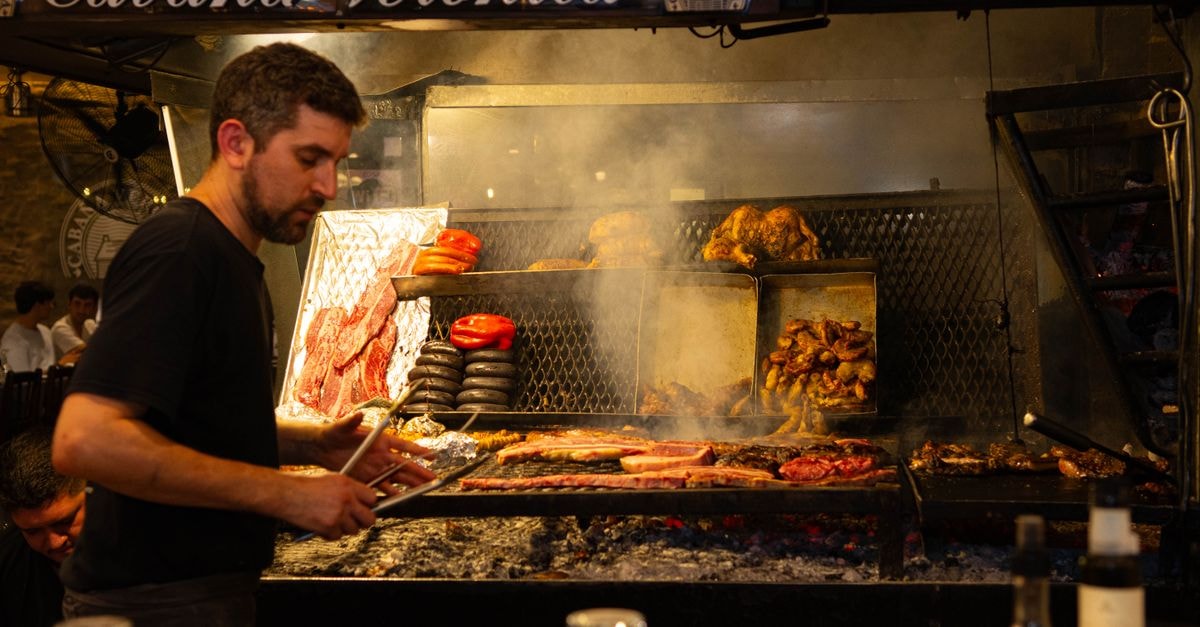
The province's culinary identity is best approached as a layered experience rather than a checklist of dishes. La Rioja is recognized as a destination where food carries stories and traditions, an immersive gastronomic experience that connects visitors with the flavors that define the region. Rather than rushing between venues, travelers may find that slowing down, asking about local specialties, and treating each meal as a small cultural conversation is the way the city reveals itself.
Within the broader Argentine table, certain dishes travel well across regions and may surface during a stay in La Rioja. One such example is locro, a hearty stew traditionally served on May 25 to commemorate the May revolution and unofficially considered the national dish of Argentina. Travelers curious about the national pantry may encounter locro on menus during their time in the city, though availability will vary by season and venue.
Alongside locro, chimichurri belongs to the same wider Argentine context: a bright, herbaceous sauce that shows up across the country as a familiar companion to grilled meats and bread. Visitors who enjoy quick trials of a region's signature condiments will likely encounter chimichurri at some point during their stay, as it travels with Argentine cooking far beyond any single province.
For travelers who prefer a deeper culinary immersion, consider asking locally about regional specialties that are not always highlighted on standard menus. The city's gastronomic reputation is built on these quieter, less-exported flavors, and seeking them out is often where the most memorable meals begin.
Choosing what fits the trip
La Rioja suits travelers who want their days shaped around a single architectural landmark and a regional table, rather than a dense list of attractions. If your idea of a good trip involves slow afternoons, neoclassical facades, and unhurried conversations over regional dishes, the city may suit you well. The cathedral can anchor a short stay centered on architecture and regional flavors, while travelers with broader itineraries often use La Rioja as a slower counterpoint to busier Argentine destinations.
A quick verification before you go
Before traveling, it is worth confirming current opening hours for the Catedral de Nuestra Señora de la Piedad, as visitor access can vary by service schedule and local observance. Asking locally about current food availability, regional specialties on offer, and any seasonal menu changes will also help align expectations with what the city is serving at the time of your visit. Because travel conditions evolve, official local sources remain the most reliable reference for the details that shape any given trip.
Prices, opening hours, schedules, reservation rules, and local conditions can change; verify them through official channels before departure.
Share this article
TOOLS FOR THIS PLAN
Make the La Rioja plan measurable
Choose a tool only when it answers the next question in your trip. Your values stay in the browser, and each tool offers a route back to this planning context.