Mendoza at a glance

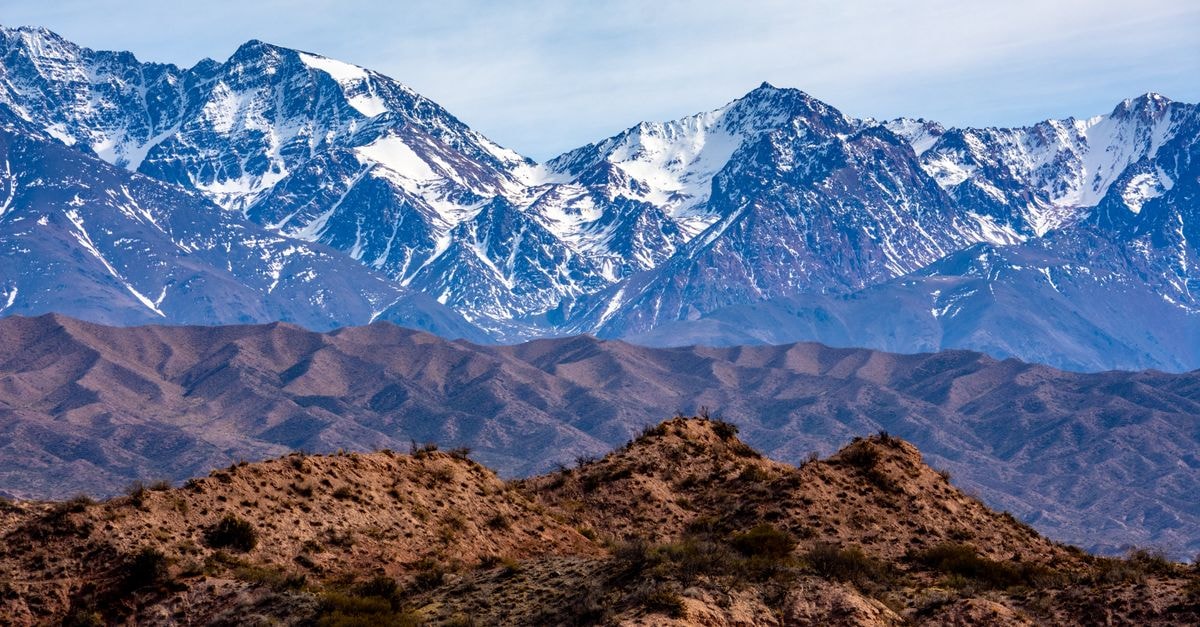
Mendoza sits on the eastern slope of the Andes, with a compact urban core that opens quickly into vineyards, high-mountain roads, and a slow, sun-warmed rhythm. The city has built its reputation on three things travelers tend to feel within a day of arriving: an easy-to-walk center, a strong food culture rooted in the wider Argentine tradition, and easy access to dramatic landscapes just outside the city limits. If you are looking for a destination where a relaxed morning coffee in a plaza can lead to a long lunch and a starlit grill session, Mendoza tends to fit that shape well.
Getting around and planning a base
The practical anchor for any Mendoza visit is that the urban core is compact and walkable, with the major plazas, museums, and parks reachable on foot or by short bus or Metrotranvía rides. That detail matters because it means you can pick one central neighborhood as a base and step out in the morning without committing to taxis or ride-hails for every errand. If you prefer vineyards to ski slopes, the same compact core works as a launchpad; if you prefer ski slopes to vineyards, the city still functions as a starting point, since both experiences sit outside the center and are reached by longer transfers.
For travelers arriving overland from Santiago de Chile, the crossing takes about seven hours and traces a high-altitude route through the Andes. Keep in mind that this route closes with snow during the June–August window, so winter overland arrivals need an alternative plan, and summer arrivals should still treat the crossing as a full-day journey rather than a quick hop. A published reference fare for the crossing sits around USD 35, though fares and operators can shift, so treat that figure as a rough benchmark rather than a guaranteed price.
For protected areas and high-mountain routes beyond the city, it is worth confirming vehicle restrictions and any permit requirements before you set out, since rules for high-elevation roads in Argentina can change with conditions. A short message to your hotel or a check with the local tourism office the morning of your trip is usually enough to avoid a wasted detour.
Plaza Independencia and the urban heart
Plaza Independencia is the historic square in the heart of the city and serves as the natural starting point for most visitors. It functions as both a literal and figurative center: the surrounding blocks hold the kind of cafes, ice-cream counters, and pedestrian streets that make Mendoza feel welcoming for unhurried wandering. Because the core is compact and walkable, the plaza can also work as a wayfinding reference; from there, the major plazas, museums, and parks are reachable on foot or by short bus or Metrotranvía rides.
The city offers a mix of cultural experiences, a vibrant arts scene, and a culinary identity that visitors tend to notice within a day or two. Treat the plaza area as your morning base and let the rest of the day unfold around whichever of those three threads pulls you most. If you like a slower day, the plaza itself, with its benches and shaded paths, often rewards people who simply sit and watch the city move.
Food context visitors tend to encounter
Mendoza sits inside a wider Argentine food culture, and a few national touchpoints tend to surface on menus and at grills across the country. The asado is Argentina's iconic barbecue tradition and showcases a communal dining style, where long tables, shared cuts of meat, and unhurried evenings are the point rather than the exception. Travelers who enjoy social, sit-down meals will likely find this format familiar and easy to slip into.
Chimichurri is the green sauce that shows up almost everywhere grilled meat is served, and locro is a hearty stew traditionally tied to May 25 commemorations of the May Revolution; it is unofficially considered a national dish of Argentina. Both are useful to recognize when reading menus, even if your own tastes run elsewhere. Argentina's broader culinary landscape tells a story of heritage and passion, and Mendoza's tables often reflect that regional pride.
For travelers who prefer lighter pacing, asado evenings can run late and skew heavy; consider balancing those nights with earlier, lighter lunches so the days feel sustainable. If you prefer a more structured dining rhythm, the daytime plaza-cafe scene is generally easier to time around sightseeing than the evening grill culture.
Choosing what fits your trip
Mendoza's mix tends to suit travelers who like a city base that doubles as a doorway: walkable enough to explore without a car, food-forward enough that meals become a highlight, and close enough to the Andes that a half-day out of town can shift the scenery entirely. If your preference runs toward vineyards rather than ski slopes, plan the bulk of your days around late mornings, long lunches, and afternoon drives; if you prefer ski slopes, build in longer transfer days and treat the city as a comfortable bookend. The core is compact enough that a slow pace still covers a lot, and the wider Argentine food culture gives even short stays a clear sense of place.
Before you go
Treat any specific price, timetable, or route condition as something to verify before acting on it, since fares, schedules, and high-mountain access rules can shift. For the Santiago–Mendoza overland crossing, check the current seasonal status of the Andes pass and confirm operator pricing close to your travel date. For any protected area or high-mountain drive, confirm vehicle restrictions and permit requirements in advance. Factual travel conditions can change, and official channels should be checked before departure.
Share this article
TOOLS FOR THIS PLAN
Make the Mendoza plan measurable
Choose a tool only when it answers the next question in your trip. Your values stay in the browser, and each tool offers a route back to this planning context.