A first look at Lahore

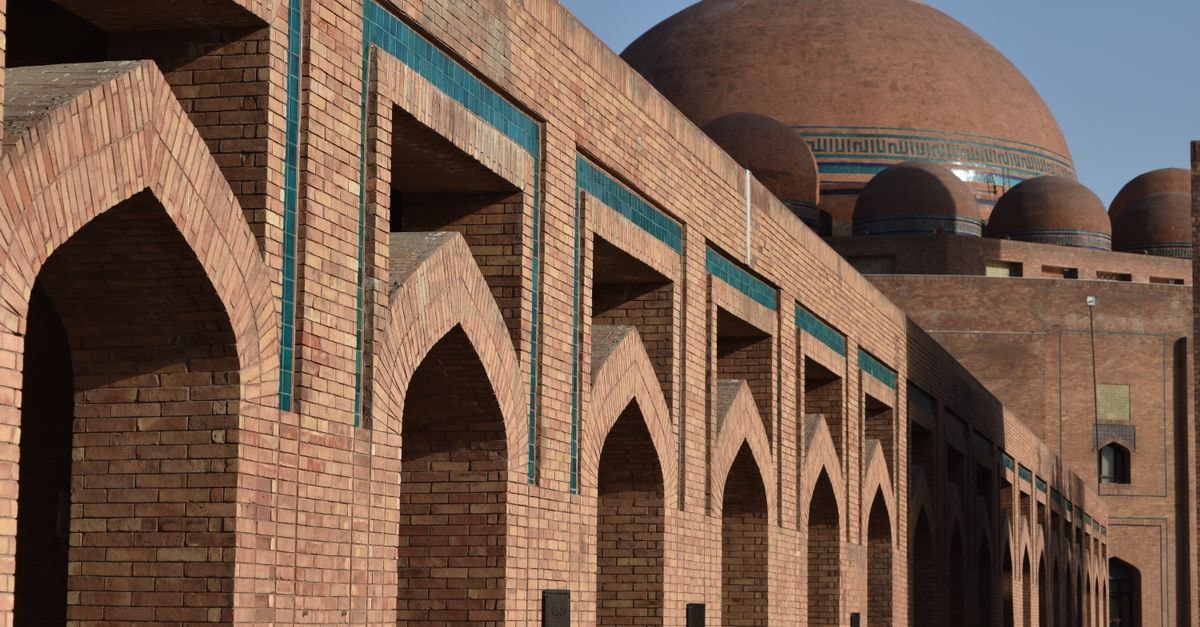
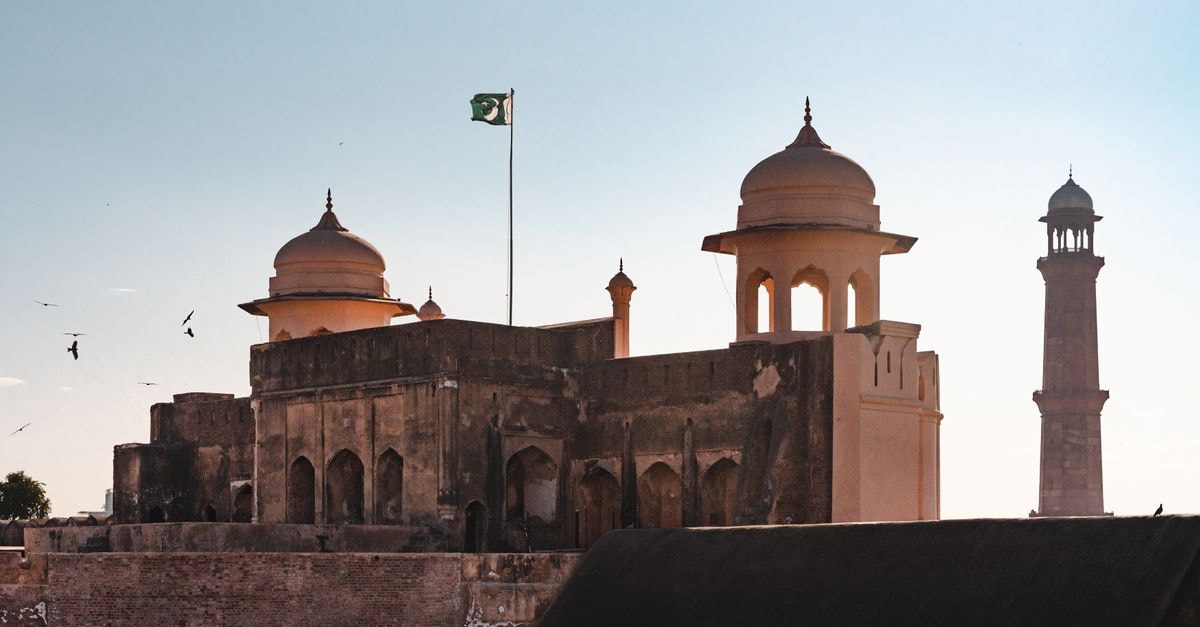
Lahore carries the kind of weight that cities slowly earn over centuries. It is the second largest city of Pakistan, with a population of more than 10 million, and it reads less like a single place than a stack of places layered on top of each other. The city's official tourism voice describes it as the cultural and historical hub and the art center of Pakistan, full of marvelous sights for visitors who love sightseeing. That framing is useful before you pack anything: Lahore is not a quiet backdrop, it is a city that has been arguing about beauty, faith, food and poetry for a very long time, and it invites you into that conversation rather than offering itself as a museum piece.
A common thread you will hear from guidebooks and travel writers is that Lahore is widely considered the country's cultural capital. That reputation is not abstract. It shows up in the scale of its Mughal-era spaces, in the speed of its bazaars, in the attention diners give to a single plate of food, and in the way residents talk about their city with a kind of proud, fond impatience. Travellers who arrive expecting a stopover city often leave recalibrating the rest of their Pakistan itinerary around it.
The Walled City and why orientation matters
Before worrying about which monument to visit first, it helps to understand how Lahore is actually arranged. The heart of the city is the Walled or Inner City, a very densely populated area of about one square kilometre. That single kilometre is dense in every sense: narrow lanes, layered history, dense foot traffic, and a dense concentration of the experiences that make Lahore famous. Knowing that the old core is genuinely compact is itself a planning tool. You can walk across it, you can get lost in it, and you can resurface from it without having committed to a long-distance route.
The Walled City also explains why travel writers describe Lahore as a place where you can encounter a living Mughal capital, a Punjabi cultural heartland, and one of the great food towns of the subcontinent within a single afternoon. That triple identity is not a marketing line; it is a description of how quickly the textures change as you move between gates, courtyards, shrines and street corners. Plan to give the old core more time than you think it needs, both because there is more to see than you expect and because the lanes reward unhurried attention.
Attractions and planning around heritage
Lahore's sightseeing story begins with the city's role as a cultural and historical hub. The Tourism, Archaeology and Museums Department positions the city around its visible heritage, and that is the most reliable framing for a first visit: you are coming to read a layered city through its buildings, museums and curated spaces. Approach the trip as a heritage city rather than a checklist of standalone attractions, and the days tend to organise themselves.
The Lahore Museum is a natural anchor for any heritage-focused plan. Its stated mission is to conserve and promote Pakistan's cultural, visual and material heritage, which makes it a useful orientation point before you step into the Walled City on foot. Treat the museum as a primer: it gives you context for the Mughal-era spaces, the regional art traditions and the material culture you will encounter in the surrounding neighbourhoods, and it lets you pace the heavier walking portions of the day in a cooler, indoor setting before heading back out.
Because the city's sightseeing draws heavily on architectural heritage and curated collections, give yourself permission to slow down. The same compound that looks modest from the gate can unfold into courtyards, gallery rooms and quiet corners that reward a patient visitor. The official description of Lahore as offering marvelous sights for visitors who love sightseeing is, in practice, an invitation to linger rather than to rush between landmarks.
Getting around the city
Lahore offers several modes of transport, and the best way to use them depends on which Lahore you are moving through. The Walled City is best explored on foot, or with a short ride to and from its gates, simply because the lanes are designed for walking and the density rewards close attention. For longer distances between the inner core, the broader heritage corridors and newer parts of the city, having a mix of options keeps the day flexible.
Private radio cab services, including Uber and Careem, are available in Lahore. For visitors who are not used to local driving patterns, app-based rides are a useful default: they remove the friction of negotiating fares, they give you a clear pickup point, and they let you conserve energy between heavier walking stretches. They are also a practical way to connect the Walled City to outlying museums, gardens and cultural spaces without committing to a full guided circuit.
Beyond app-based rides, the city supports a wider mix of transport modes, which is worth knowing even if you do not plan to use all of them. Local minibuses, rickshaws and taxi options each have their own rhythm and pricing logic, and residents are generally comfortable helping a visitor decide which one fits a particular route. Build a small margin of time into each transition, because dense urban traffic can change an estimated ride length quickly.
Pacing yourself in a dense city
A practical truth about Lahore is that it asks more of your energy than its size suggests. The Walled City packs a great deal into a small footprint, and the broader city is busy enough that even short transitions can feel full. Pace the day in blocks rather than minutes: pick one heritage anchor in the morning, allow a quiet lunch break, and save the more atmospheric wanderings for the late afternoon when the light softens and the streets feel a little more generous.
Hydration, sensible footwear and a willingness to stop for chai are useful travel adjustments in a city of this density. None of this is a special tip unique to Lahore, but it matters more here than in a city you can cross in a straight line. The travellers who enjoy Lahore most are usually the ones who treat it as a place to be absorbed rather than a place to be conquered, and that mindset is itself a form of planning.
A short note before you go
Lahore is one of those cities where the high-level facts are stable, but the small details of a trip can shift quickly. Factual travel conditions can change, so confirm museum hours, transport availability and any ticketed heritage sites through official channels before departure. Treat this guide as a starting frame for understanding the city rather than a final schedule, and let the city itself fill in the rest.
Share this article
TOOLS FOR THIS PLAN
Make the Lahore plan measurable
Choose a tool only when it answers the next question in your trip. Your values stay in the browser, and each tool offers a route back to this planning context.