A small city worth a slow look

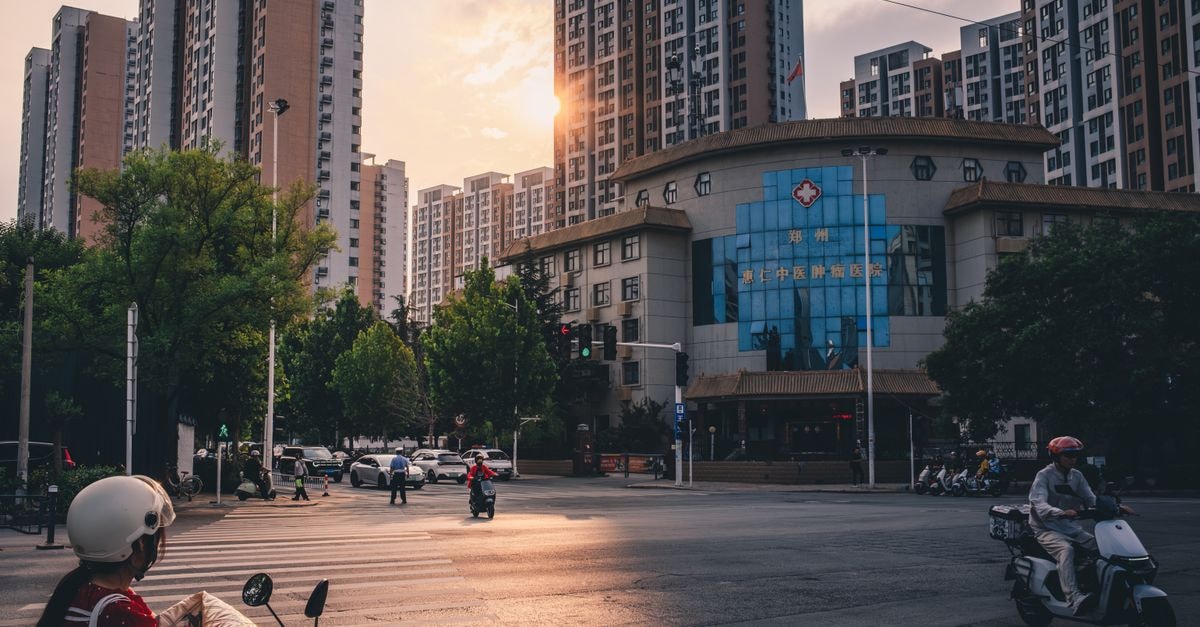
Langfang sits quietly in Hebei province, the kind of place travelers tend to overlook on the map between bigger draws. The approved guide material leans into that reputation with a gentle hook: it is positioned as a short-trip city reachable from Beijing by high-speed rail in roughly twenty minutes, with a per-person budget framed around three hundred yuan for two days of local spending (excluding hotels and intercity transport). That single line does a lot of work for a traveler. It signals a stop that does not need to be a long commitment, that can be planned around a high-speed rail ticket rather than a flight, and that is more about pacing than packing in sights. The museum anchors the visit, and the surrounding context is meant for unhurried wandering rather than a checklist of attractions.
The tone that follows is deliberately light. Think of this guide as the kind of discovery you make when a friend tells you about a small museum city nobody talks about, and you decide to give it a day or two instead of rushing back to a capital hotel.
Attractions and planning
The single city-specific anchor in the evidence is the museum the guide material names as a central stop. The approved note frames it inside a broader city pitch: high-speed rail from Beijing in about twenty minutes, two-day spending framed at around three hundred yuan per person, and the suggestion that the city holds more than visitors expect. That is the practical spine of any Langfang itinerary, because the museum is the one named civic institution the guide material commits to, and the transport framing gives a real arrival pattern instead of vague proximity language.
For travelers who like to plan a visit around one cultural anchor and then leave room for whatever turns up, this can suit that rhythm well. The budget framing is specifically a per-person, two-day scope from the source, so it is worth treating it as a working number rather than a hard ceiling, and checking current admission and ticketing details before you go. Consider confirming whether any temporary exhibitions or opening-hour adjustments are in effect when you arrive, since the guide is written to be evergreen and does not pin a date to anything.
A useful mental model is this: pick a morning for the museum, give yourself breathing room around it for a walk or a quiet meal, and let the rest of the day be a soft landing rather than a schedule. If you prefer cities with dense attraction lists, you may find that one-anchor structure thin, and that is a fair reason to consider whether a quick stop rather than a longer stay fits your style. Travelers who enjoy small-city museums, high-speed rail day trips, and a relaxed pace can find the format appealing precisely because it does not try to compete with the marquee destinations nearby.
Food and local context
Langfang itself sits inside a much wider food world. The approved context comes from country-level sources about Chinese food culture rather than city-specific menus, so the right way to use it is as a framing device: when you eat in Langfang, you are eating inside the broader tradition of China's regional cuisines, where each of the eight major cuisines is described as having its own distinct character, and where regional difference is treated as a point of pride and variety.
That is genuinely useful for a visitor, because it reframes what you order. Rather than hunting for a single Langfang dish to tick off a list, you can treat meals here as a chance to sample the kind of diversity the country is known for, while leaving room for whatever the kitchen in front of you actually does well. It also keeps expectations honest: the source describes tradition and diversity, not a guarantee of any particular specialty, so any claim about a Langfang signature plate would be invention.
For travelers with strong regional preferences, the country-level framing can help you decide what to ask for. If you tend to gravitate toward bold, spicy profiles, you already know that Sichuan-style cooking is part of the eight-cuisine map the guide describes, and you can look for kitchens that lean in that direction. If you prefer something lighter or more delicately balanced, you can ask about northern-style staples that often suit the Hebei setting. Either way, the practical move is to let the local menu lead and use the country-level context as a vocabulary for what you might find, not as a checklist.
How to match the city to your trip
If a quiet museum stop paired with easy high-speed rail access sounds like your kind of day, Langfang fits naturally. The visit is shaped around one named civic institution, a short budget frame, and the broader texture of Chinese regional food culture rather than a dense attraction list. If you are the sort of traveler who needs a packed daily schedule or several anchor sights per day, the same evidence can read as thin, and a quicker stop with margin for a longer stop elsewhere may suit you better. Either reading is consistent with the source material; the choice is about how you like your trips to breathe.
A note before you go
Treat every concrete detail here as a starting point. Train timetables, museum hours, ticket prices, and on-the-ground conditions can shift, and the evidence behind this guide is deliberately evergreen rather than tied to a specific date window. Before you travel, it is worth a quick check through official channels for current train times, current admission details for the museum, and any local guidance that applies when you visit. Rates, prices, and conditions mentioned in general travel resources are reference points, not guarantees, and the live picture on the day is what should shape your plan.
Share this article
TOOLS FOR THIS PLAN
Make the Langfang plan measurable
Choose a tool only when it answers the next question in your trip. Your values stay in the browser, and each tool offers a route back to this planning context.