A first look at Latakia

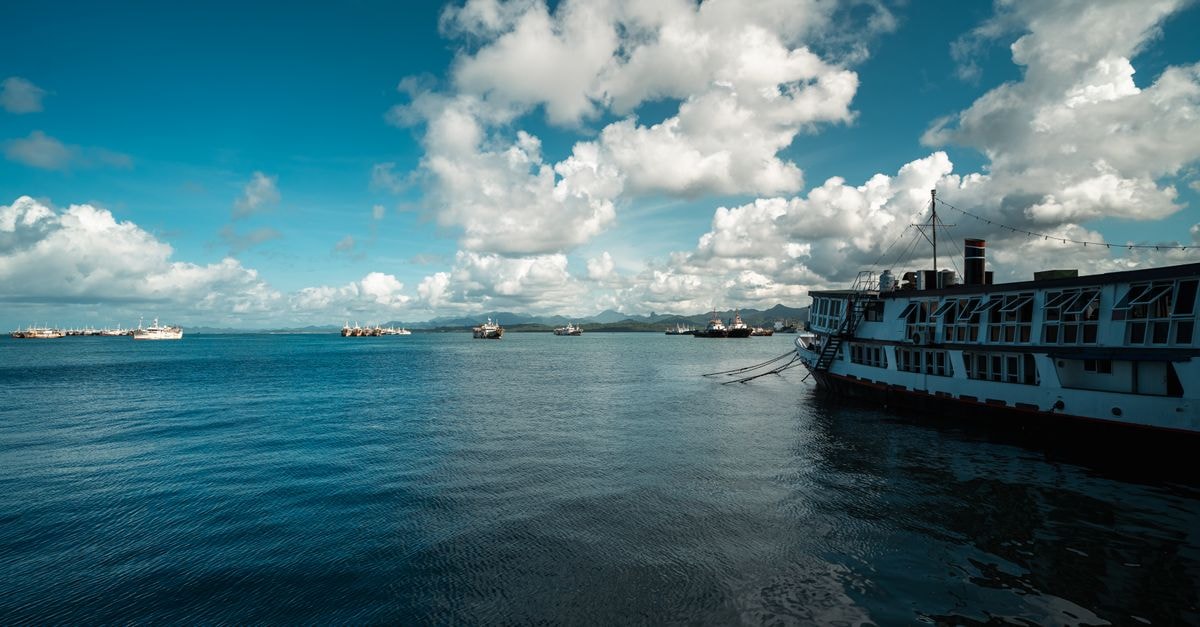
Latakia sits on Syria's Mediterranean coast as the main port of Latakia Governorate, and its identity is shaped by the sea in almost every sense. The city is widely described as a place of white stucco highrises and streets lined with palm trees, with a coastline that pulls daily life outward toward the water. Travelers often arrive with the impression they are visiting a single monument or square, but the city reads more like a layered coastal settlement where everyday routines — walking the waterfront, boarding a bus, sharing a long breakfast — sit alongside older landmarks that hint at a much longer history.
For visitors who like places that combine beach time with urban texture, Latakia offers a useful counterpoint to Syria's inland highlights. The port setting, the relaxed pace along the corniche, and a cuisine shaped by what comes off the boats give the city its own character. The guide below focuses on what is reliably known about getting around, what to look for when exploring, and how the local food scene reflects Latakia's coastal identity.
Getting around
Latakia is shaped for walking in its central areas. The corniche, the waterfront promenade that runs along the Mediterranean, is generally pedestrian-friendly, and the central districts near it are similarly easy to navigate on foot. Strolling is one of the most natural ways to read the city, especially along the sea-facing streets where palm trees and white facades frame the view.
Beyond walking, the city has a fairly developed local bus system that residents use to reach different parts of the urban network. Buses are the most practical public option for covering ground that feels too far to walk, particularly if you want to move between the central districts and the coastal stretches to the north, where the most popular beaches are found. There is no organized tourist bus infrastructure — tour buses and hop-on, hop-off services are not available to visitors, so independent travelers will lean on walking, the local bus network, and taxis or rented cars for anything more bespoke.
The northern coastline is part of how residents and visitors think about getting around Latakia, since the beaches that locals favor sit along that stretch. If the beach is part of your plan, treating the coast as an extension of the city itself — rather than a separate destination — makes the day's logistics feel simpler.
Attractions and planning
Latakia's attraction mix leans into two complementary threads: layered history along the old port corridors and the open-air rhythm of the coast. Travelers interested in the city's past often begin with remnants of the historic defensive walls that once protected the port and its commerce. These old city walls are a tangible anchor for understanding why Latakia grew where it did, and they pair naturally with a slower walk through the older quarters where Roman and later structures still surface in the streetscape.
Beyond its historical sites, Latakia is also known for its beaches, which is a useful way of saying that any visit naturally balances a little sightseeing with a lot of time by the water. The coast to the north of the city is where residents tend to head when they want sand and sea, and it shapes the rhythm of longer stays as much as any monument does. Travelers commonly plan their days around the water, treating the historical core as a morning or late-afternoon activity and saving the beach for the brightest, warmest hours.
A relaxed planning approach tends to suit Latakia well. Because the central areas and the corniche are walkable, and the bus network covers broader routes, visitors can keep plans loose without missing the main points of interest. Spending time near the old walls, the port-adjacent streets, and the northern coastline gives a complete picture without rushing.
Food and local context
Latakia's food scene is one of the clearest expressions of its coastal identity. Local cuisine specifically features fresh seafood because of the city's position on the Mediterranean, and that seafood-forward character distinguishes everyday eating in Latakia from more inland Syrian dishes. Visitors will notice that fish and seafood preparations are not a special-occasion choice here but a regular part of the menu across many local spots.
Two long-standing places give a sense of how the food culture expresses itself. Sumer is known for a traditional Syrian breakfast spread — the full array of local morning dishes — served against an open sea view that turns an early meal into a memorable part of the day. Jamal Abu Suweis, located in the historic Al-Saliba quarter near a Roman triumphal arch, is considered one of the most beloved popular restaurants in the city, and the setting around it matches the timeless feel of what is served inside. Eating in this quarter, with its layered history visible in the stones and arches, frames a meal as something more than just food.
A note before you go
Latakia is a city that rewards travelers who are curious about everyday Syrian coastal life rather than chasing a checklist of big-ticket monuments. The corniche, the old city walls, the northern beaches, and the seafood-forward tables — supported by a walkable center and a useful bus network — cover the practical core of any visit. A few additional points are worth keeping in mind: factual travel conditions can change, so it is always wise to check official channels and current advisories before departure. Treat the local bus system and walking as your default framework, allow room for slow meals by the sea, and let the northern coast be part of how you understand the city rather than a separate outing. With that approach, Latakia reveals itself as a Mediterranean port with a strong sense of place, where the sea, the streets, and the kitchen all speak the same language.
*This guide is based on durable city-level information and is intended as a starting point. Factual conditions — including transport availability, opening status of venues, and local services — can change, so please verify current details through official channels before your trip.*
Share this article
TOOLS FOR THIS PLAN
Make the Latakia plan measurable
Choose a tool only when it answers the next question in your trip. Your values stay in the browser, and each tool offers a route back to this planning context.