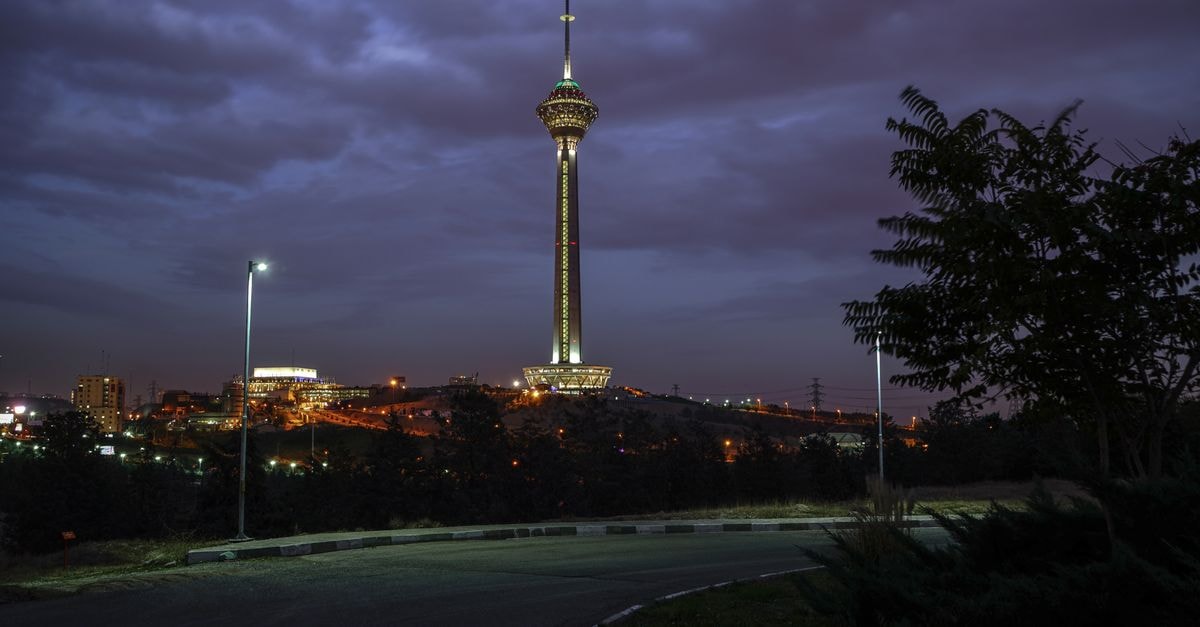
Tehran at a glance

Tehran sits at one of the most dramatic climate crossroads you can find in a single capital. The city is hemmed in by mountains to the north and opens toward desert to the south, and that geography quietly shapes almost every impression a visitor forms within the first hours of arriving. The air feels different between districts, the sky looks different above different neighborhoods, and even the rhythm of a day can shift depending on where you are in the urban grid. Walking in with that basic orientation in mind turns a confusing first afternoon into a more legible city.
This guide leans into that north-south contrast as a practical lens for travel planning, then turns to the realities of moving through the city. The aim is not to chase a checklist of sights, but to give you a frame for how Tehran actually behaves day to day, so your plans adapt to the place rather than the other way around.
Weather and seasonal context
Tehran's climate is greatly defined by its geographical location, surrounded by the mountains in the north and by desert to the south, and that single fact does more work for a visitor than any forecast. The northern parts of the city, climbing toward the Alborz foothills, enjoy a cold and arid feel, while the southern districts, stretching out toward the desert plain, read as largely warm and arid. You can cross that gradient in a single metro ride, and the shift is visible in the architecture, the vegetation, the pace of the streets, and the way people dress for the day.
For a traveler, the takeaway is less about packing for one specific temperature and more about planning for contrast. A morning that calls for a light layer in the north can feel quite different by the time you reach a southern neighborhood, and the mountain edge can feel noticeably cooler in the evening. Building in small allowances for that swing, both in clothing and in how you sequence your day, tends to make a Tehran itinerary feel smoother.
It also helps to read the seasons through that lens. Winters along the mountain side can bring genuine cold, while the southern half stays milder; summers push heat toward the south and offer some relief on the higher ground. Pacing outdoor time for the cooler parts of the day, choosing north-side stops when you want to catch a breeze, and saving slower southern wandering for the evening are practical habits rather than hard rules. None of this is a guarantee of perfect weather, but it is a useful way to interpret what the climate is doing while you are there.
Getting around
Moving around Tehran involves a mix of metro lines, taxis, and bus routes, and a general transport guide for the city highlights fares, basic safety habits, and common scams to avoid. Because fares, routes, and ticketing rules are the kind of detail that shifts over time, treat any number or rule you read elsewhere as a snapshot rather than a fixed price, and confirm current conditions through an official transport source, your hotel, or a local contact once you arrive.
Safety on the move is mostly about the same commonsense habits you would apply in any large capital. Keep your belongings secure in crowded carriages, be careful crossing wide arterials where vehicles move quickly, and trust your read on a neighborhood rather than pushing through if something feels off. When you are unsure of a route, asking at a shop or cafe is often faster and more reliable than wrestling with a paper map, and locals are generally willing to point you in the right direction.
Finally, expect your plans to bend around the traffic. Build a little slack into any day that involves crossing from one side of the city to the other, especially in the late afternoon, and you will find the day feels calmer and the encounters with the city feel less rushed.
A practical note before you go
Currency, ticket prices, and transport fares all shift, so treat any number you read as a snapshot rather than a fixed price. When you arrive, take a few minutes to confirm current rates and fares through your hotel, a local contact, or an official transport source; it is a small step that prevents small surprises. The same applies to opening hours for specific sites and services, which can change more often than guidebooks update.
Factual travel conditions in any capital, Tehran included, can change without much notice, and the most reliable plan is the one that leaves room to adapt on the ground. Check official channels before departure, give yourself a little margin in the first day to absorb how the city actually feels, and let the north-south contrast work for you rather than against you.
---
*This guide is built on durable city-level information and avoids time-specific claims. Always verify current conditions, prices, and local rules through official sources before and during your trip.*
Share this article
TOOLS FOR THIS PLAN
Make the Tehran plan measurable
Choose a tool only when it answers the next question in your trip. Your values stay in the browser, and each tool offers a route back to this planning context.