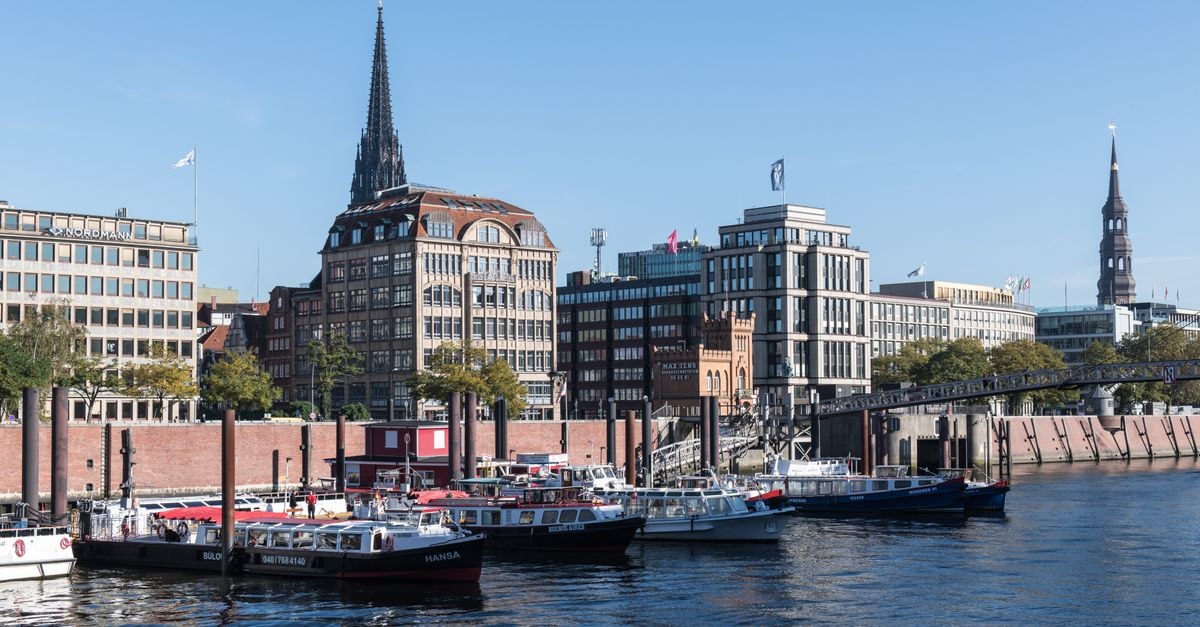
A northern city with two memorable silhouettes

Leeds has the kind of cityscape that quietly makes an impression before you've fully arrived. Two white buildings define the view, and once you know what to look for, they become a useful way to orient yourself around the centre. The first is the Parkinson Building of Leeds University, an academic landmark that anchors the university's presence in the city. The second is Civic Hall, whose twin spires are decorated with golden owls perched right at the top. Spotting those owls from a distance is a small travel ritual in itself, and a friendly way to remember where you are.
For visitors, those two buildings do more than decorate the skyline. They also point you toward two of the most walkable areas of Leeds: the university quarter and the civic heart around the hall. Wandering between them is a gentle way to get a first sense of the city's rhythm before you settle into any specific plan.
Food and local context
Leeds carries a confident reputation as a foodie destination in the north of England, and dining here feels woven into the city's identity rather than tacked on as an afterthought. That reputation has grown because the city makes space for both everyday British staples and a notably diverse range of cuisines side by side.
A classic introduction to eating in Leeds is the simple, satisfying pleasure of fish and chips. Few visitors leave without trying this British staple at least once, and the dish has long been treated as a kind of edible welcome mat for the city. It is the kind of meal that works for a relaxed lunch between sightseeing stops, or for an early dinner when you want something unfussy and comforting.
Beyond the classic plate, Leeds is also known for its market culture, where a street food scene brings together a variety of cuisines under one roof. That kind of indoor food hall, with stalls serving different traditions back to back, is one of the easiest ways to sample a broad range of flavours in a single visit. It suits travellers who like to graze rather than commit to one restaurant, and it makes a natural anchor for an evening when you want to keep your plans flexible.
A useful mindset for eating in Leeds is to treat the city as a place where British tradition and global variety share the table. The fish and chips give you a familiar anchor, and the market stalls give you permission to wander and follow whatever smells good in the moment.
A practical note on planning
Leeds is a compact city by English standards, which makes it well suited to slow exploration. The two white landmarks on the skyline are spaced within easy walking distance of the centre, and the food culture clusters around recognisable neighbourhoods rather than scattering across a wide area. That means you can build a day around a few anchors and still leave plenty of room for the unexpected.
Because this guide is built around durable city features rather than any specific date or season, it is worth treating opening hours, prices and availability as something to verify before you travel. Local listings and official channels are the most reliable source for the kind of detail that changes from week to week, and a quick check the day before can save a wasted detour.
What to keep in mind
Leeds rewards visitors who arrive with a loose plan and a curious appetite. The two skyline landmarks give you a simple visual compass, the food scene gives you a reason to wander into a market hall rather than defaulting to a chain restaurant, and the compact layout means you can mix landmarks and meals without rushing. Keep in mind that travel conditions, opening times and prices can change, so checking official sources before you set out is always wise.
Share this article
TOOLS FOR THIS PLAN
Make the Leeds plan measurable
Choose a tool only when it answers the next question in your trip. Your values stay in the browser, and each tool offers a route back to this planning context.