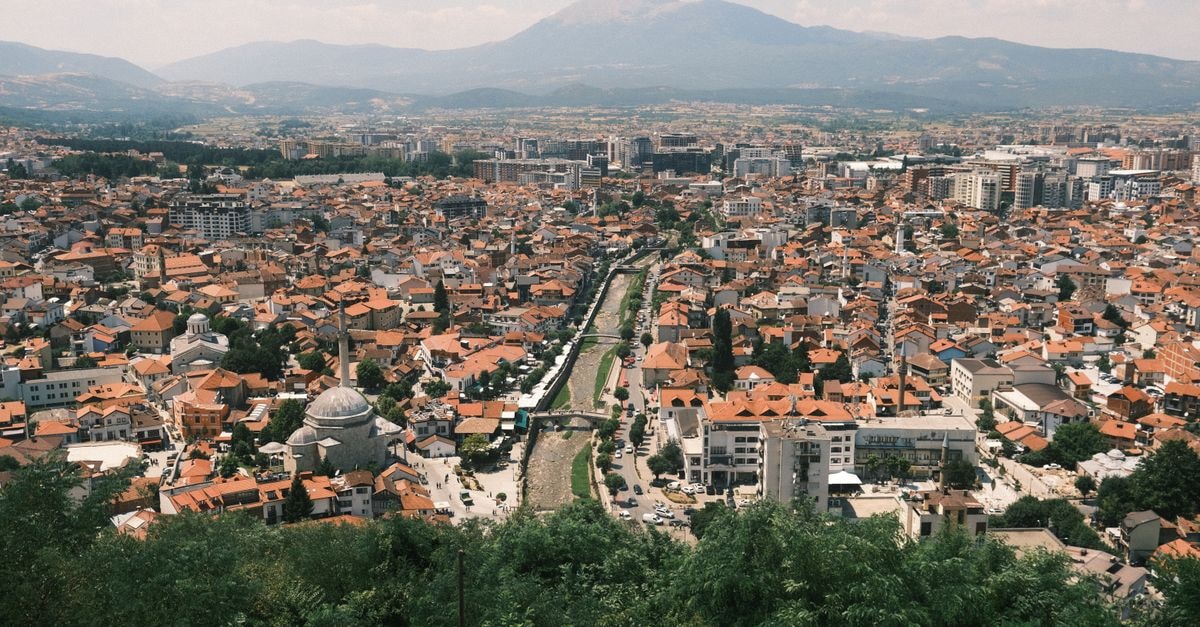
Lezhë at a Glance
Lezhë is a useful base for travelers moving through northern Albania, especially when road travel is central to the plan. The city is positioned as the northern gateway for traffic between Tirana, Shkodër and Kosovo, giving it a clear regional role rather than making it a self-contained destination. For visitors who value a straightforward arrival, an understanding of the main road connections, and easy access to Lezhë’s best-known cultural stops, this guide keeps the essentials in view.
The practical theme here is transport and orientation. Rail is not the answer for most visitors: train travel in Albania is very limited and is not a reliable way to plan a visit to Lezhë. The city’s strongest appeal is therefore as part of a road-based northern-Albania journey.
Getting Around by Road
Lezhë is the northern gateway for road traffic from Tirana to Shkodër and Kosovo. That makes it particularly relevant for independent travelers arranging their own vehicle, rideshare or onward road connections. Rather than treating the city as a remote stop, it can work as a useful link in a broader route through the north of the country.
The main infrastructure focus is the Murriqan–Lezhë highway section. This is useful context for anyone interested in how road access shapes the area, especially travelers who want the practical structure of the journey before they arrive. It is infrastructure context, however, not a reason to expect a particular construction condition, traffic pattern or travel time; those details should be confirmed directly before departure.
If you prefer traveling independently and want to build a northern route around Lezhë, the city’s position is likely to fit that preference better than a rail-centered itinerary. Travelers relying on scheduled rail connections, by contrast, should reconsider rail as the foundation of the trip because it is not a dependable way to reach and move around Lezhë.
Why Rail Is an Enthusiast’s Bonus
Train travel in Albania is very limited and is not a reliable way to plan a visit to Lezhë. For most visitors, rail is better understood as an enthusiast’s bonus than as practical local transport. That distinction matters when booking a wider trip: a long-distance plan centered on trains can create avoidable uncertainty around reaching the city and continuing onward.
A road-first approach is the more dependable fit. Lezhë sits on the corridor used for road traffic from Tirana toward Shkodër and Kosovo, so it belongs naturally in an itinerary organized around the northern road network. If the appeal of a journey is its rail atmosphere rather than convenient movement between destinations, Lezhë may still merit inclusion, but the train should not be treated as the essential part of the plan.
Skanderbeg Museum and the City’s Main Sight
The clearest named cultural stop in the available Lezhë information is the Skanderbeg Museum, a museum honoring Albania’s national hero, Skanderbeg. It gives travelers with an interest in Albanian history a focused reason to visit, and it is the most specific attraction to anchor first-time plans around.
The broader Lezhë attraction list also references temples and sights, islands and beaches, history, and nature and parks. However, those categories are not accompanied by named, individually described places in the approved city evidence. It would therefore be misleading to turn them into a detailed sightseeing list or imply that every listed place is equally central to a short visit.
For a first visit, the Skanderbeg Museum is the most useful documented starting point. If your priority is a specific museum stop, you can plan around it without overloading the itinerary. If you prefer beach time, coastal scenery or a broad outdoor circuit, the evidence here is not detailed enough to recommend a particular island, beach or park, or to promise how such a stop will fit alongside the museum.
Choosing the Kind of Trip That Fits
Lezhë works best for a traveler who is comfortable making the road part of the experience. Its position as the northern gateway for traffic linking Tirana, Shkodër and Kosovo gives an independent journey a natural sequence. It also suits anyone who wants to pause for Skanderbeg-related history without building the entire visit around extensive transport changes.
The main documented tradeoff is the limited reliability of rail. If flexible road arrangements are important to you, that limitation is easier to accommodate. If you strongly prefer trains and want the railway to be the backbone of the trip, reconsider Lezhë as a primary base rather than treating the train as a dependable connection.
The evidence supports a focused visit rather than a crowded checklist. Plan the transport around the road corridor, use the Skanderbeg Museum as the clearest named attraction, and consult current official information for any route-specific conditions before leaving.
Before You Go
Road infrastructure and travel conditions can change, so confirm the latest route information through official channels before departure. This is particularly important if onward travel toward Tirana, Shkodër or Kosovo is part of your plan, or if the Murriqan–Lezhë highway section affects your intended route. Check current logistics close to the time of travel rather than relying on general descriptions of the corridor.
Share this article
TOOLS FOR THIS PLAN
Make the Lezhë plan measurable
Choose a tool only when it answers the next question in your trip. Your values stay in the browser, and each tool offers a route back to this planning context.