A first look at Shkoder

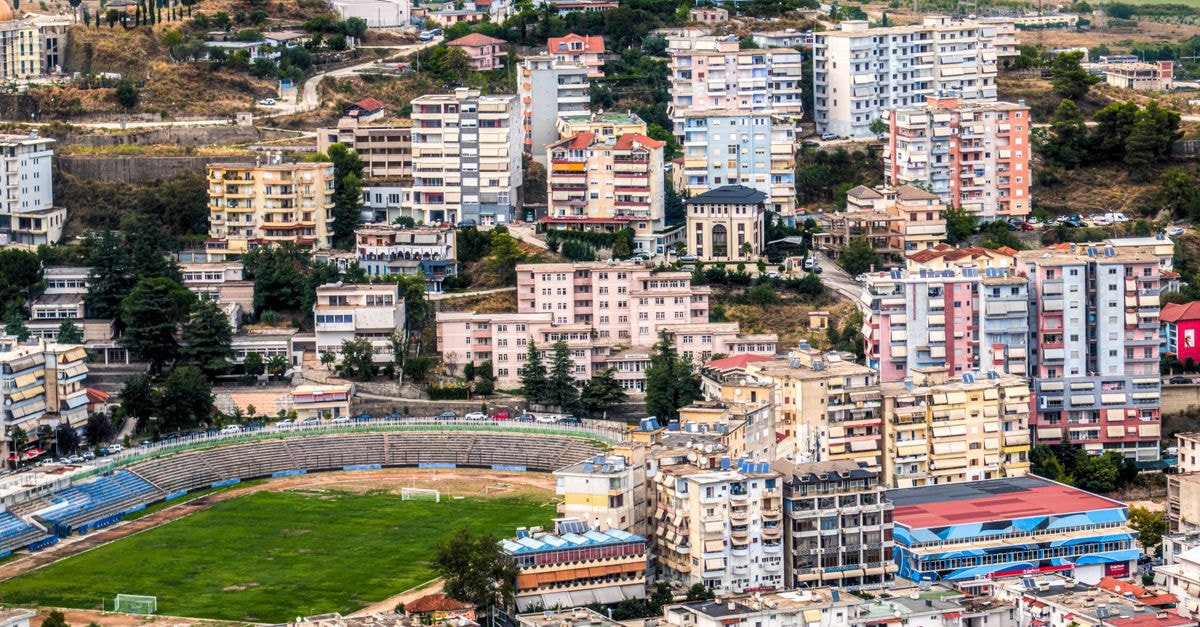
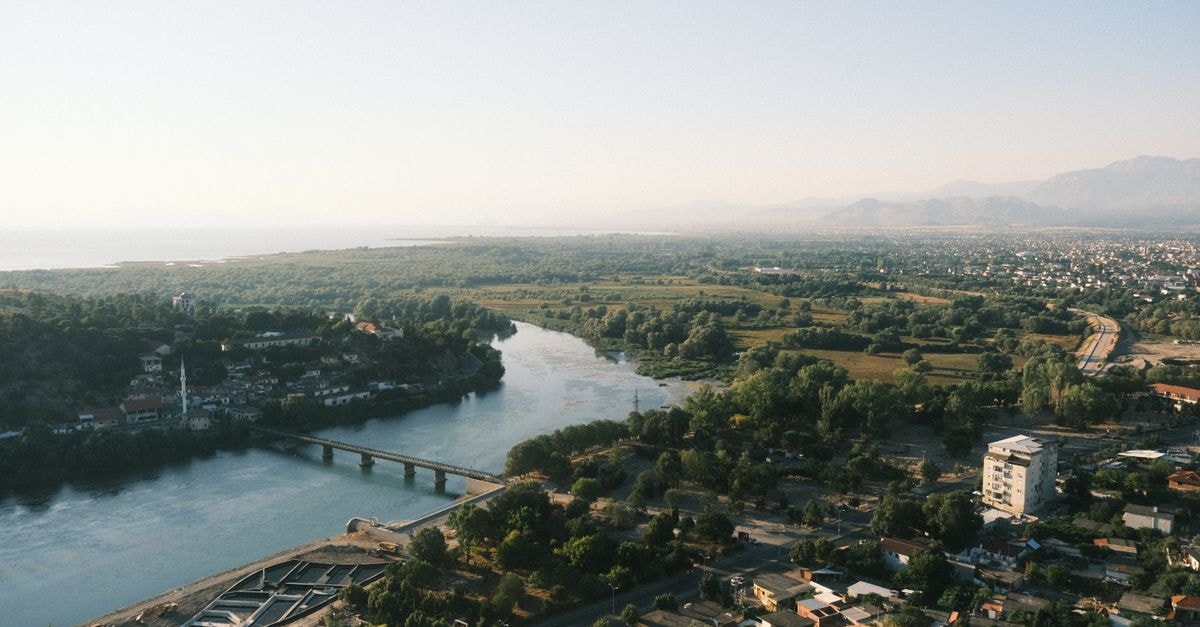
Set between the foothills of the Albanian Alps and the wide, bird-filled edges of Lake Shkoder, the city of Shkoder has the relaxed rhythm of a place that has long been a crossroads for northern Albania. Stone-paved streets give way to leafy squares, and the breeze drifting in from the lake carries a sense of openness that is rare in larger Balkan capitals. For travelers who like to slow down, wander, and settle into a neighborhood before moving on, Shkoder rewards that pace with quiet cafés, slow conversations, and an easy walkability that makes a short stay feel surprisingly rich.
What makes Shkoder work as a base is its role as a meeting point. The city sits close enough to the mountains that you can step straight into rural northern Albania in the morning, and close enough to the capital that reaching Tirana is a straightforward journey rather than a logistical puzzle. That combination of lake, lowlands, and access makes the city feel both grounded and connected, a useful anchor for travelers who want depth without spending their trip in transit.
Getting around by bus
Because buses are described as the main public transport option in Albania, understanding the local bus system in Shkoder is one of the most useful things a visitor can do before arriving. Public buses are not just a backup here; they are the everyday way that residents move through the city and connect to the wider region, so getting comfortable with how they work is part of the rhythm of travel in northern Albania.
For longer connections, the bus network is also the main practical link to the rest of the country. If you want to travel onward toward Tirana or to Tirana airport, taking a bus from Shkoder is one of the options to consider, alongside shared vehicles or private transfers that travelers often arrange through guesthouses. This makes bus literacy a real travel skill here rather than a fallback plan.
One useful local detail is that the Theth to Shkoder bus leaves from the Theth visitor center or the Mini Market Jezerca at fixed daily departure times, with passengers asked to be there a short while before the scheduled departure. Knowing a specific meeting point like this, rather than a vague city stop, makes a big difference in practice, because the bus pickup in Shkoder is tied to identifiable landmarks rather than a numbered platform. Travelers heading into the mountains will want to plan their return around those daily departures.
A few small habits make bus travel in Shkoder feel smoother: confirm the departure point the day before, carry cash for tickets, and keep an open hour in your schedule rather than racing toward a connection. The system rewards patience.
Attractions and planning your days
Shkoder is the kind of city that reveals itself through a loose plan rather than a strict checklist. A typical day might start with a walk toward the historic center, pause at a long café table for a coffee, then drift toward the lake edge where the light softens in the afternoon. Rather than chasing a list of sights, it helps to leave room for the unexpected: a small museum, a courtyard you didn't know about, or a conversation that pulls you into a neighborhood you hadn't planned to visit.
Because attractions in and around Shkoder range from city landmarks to scenic outdoor spots, a useful approach is to decide in the morning what kind of day you want. If it is a culture day, you can anchor your walk around the main historic sites and weave in slower stops. If it is an outdoor day, you can plan a route toward the lake or toward a viewpoint that pulls your gaze out to the wider landscape. Shkoder makes either choice feel natural, and the city itself is small enough that switching gears mid-day is never a problem.
What is worth planning ahead is the rhythm of a longer stay. Travelers often use Shkoder as a base for several days, returning each evening to a familiar café or restaurant and adjusting the next morning's plan based on how the previous day felt. That way the city becomes a place you actually live in for a while, rather than a quick stop on a faster route.
Food and local context
Shkoder's food scene mixes hearty northern Albanian plates, Lake Shkoder fish, and traditional family cooking, which gives visitors a useful mental menu before they even sit down. The northern Albanian plates tend to be filling and slow-cooked, with grilled meats, baked dishes, and seasonal vegetables that reflect the agricultural rhythm of the region. Lake Shkoder fish adds a distinctive local thread, prepared in simple, traditional ways that highlight the freshwater setting just outside the city.
Because traditional family cooking is part of the everyday picture here, the most memorable meals in Shkoder are often the ones that feel shared rather than served. Small family-run places, neighborhood spots, and modest restaurants tend to reflect this approach, with menus built around what's been cooked that day rather than a fixed list. Travelers who slow down and ask a local host or guesthouse owner where they would eat are usually pointed toward exactly this kind of place.
It is worth remembering that food in Albania generally follows certain patterns that visitors may encounter while in Shkoder. Bread is central to most meals, portions tend to be generous, and eating is treated as a social moment rather than a quick refuel. Approaching meals with that mindset, rather than expecting a fast-casual pace, helps the local food scene feel welcoming rather than unfamiliar.
A few practical notes for visitors
Because buses are the main way both locals and visitors move through the area, building your daily plan around bus departures is more useful than working against them. The fixed Theth to Shkoder departures are a good example: a single scheduled departure shapes an entire day's rhythm, so working with that structure saves time and stress.
Cash is worth carrying for smaller purchases, local transport, and family-run restaurants. Card acceptance is growing in Albania, but it is not universal, and Shkoder's more traditional spots still tend to operate on cash. Exchanging a small amount on arrival, rather than relying on finding an ATM at an awkward moment, is the easier approach.
Finally, leave space for Shkoder to be itself. It is a city that rewards slow mornings, unhurried meals, and conversations with the people who actually live there. Travelers who treat it as a base for the wider region, while still taking time to explore its own streets, tend to leave with a much fuller sense of the place than those who simply pass through.
A note on changing conditions
Travel conditions, bus schedules, opening hours, and practical services in Shkoder can change over time. The information in this guide reflects the broader patterns described in available travel sources, but it is always wise to confirm current details through official channels, your accommodation, or local information points before setting out on any journey.
*Planning a trip to Shkoder? Keep it flexible, build your days around the bus, and let the city's relaxed pace set the tone.*
Share this article
TOOLS FOR THIS PLAN
Make the Shkoder plan measurable
Choose a tool only when it answers the next question in your trip. Your values stay in the browser, and each tool offers a route back to this planning context.