A Quiet Corner of Tibet: A Thoughtful Travel Guide to Lhoka

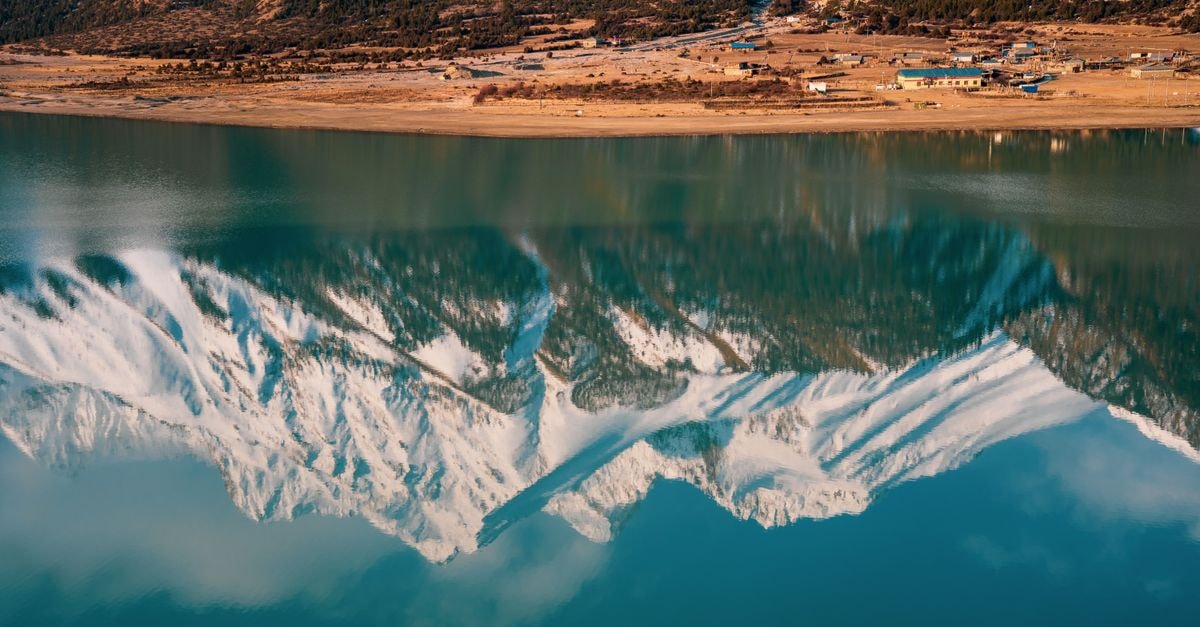
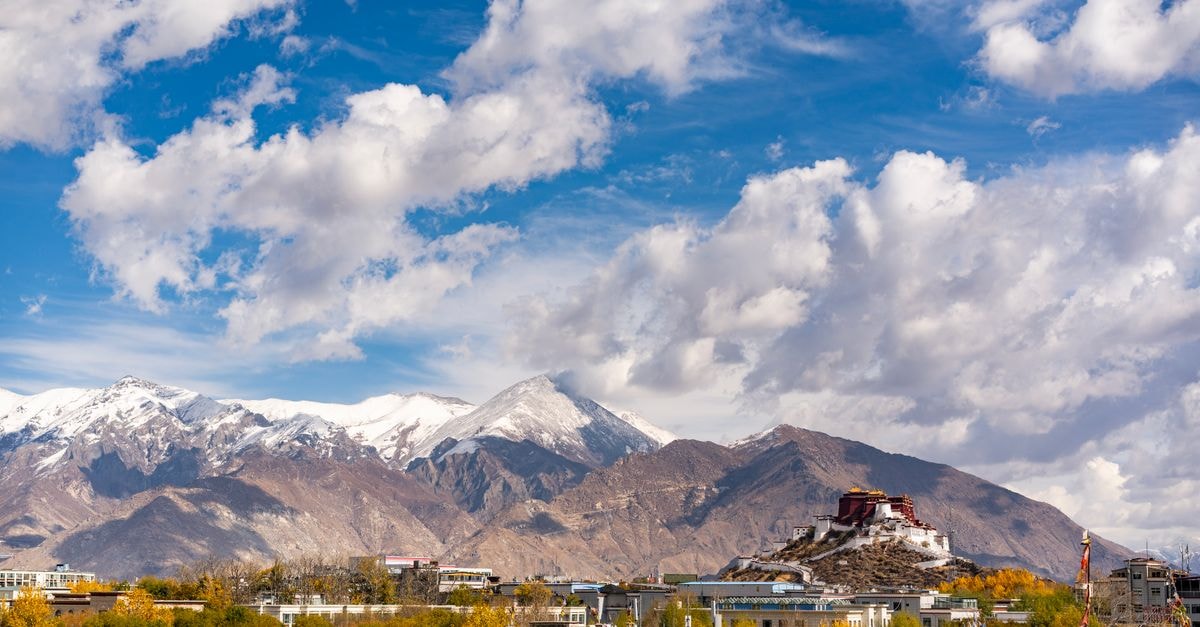
There is something unhurried about the idea of Lhoka, also known as Shannan, that draws travelers looking for depth rather than a checklist. Set within the broader sweep of Tibet, the area carries layers of religious and cultural history that reward a slower kind of travel, the kind where a single monastery visit can shape the whole day. This guide keeps things practical and grounded, focusing on the essentials a visitor actually needs to plan a thoughtful stay in Lhoka.
Getting around
Travelers moving through the area tend to use a mix of transport modes to connect Lhoka with other parts of Tibet and the wider region of China. Buses, trains, and flights are all commonly part of how people make those longer journeys, so the practical question is rarely whether you can get somewhere, but which combination suits the route and the pace you want to set. If you prefer to keep your plans flexible, building in a buffer for connections is often worthwhile, since the region sits within a much larger transport network and transfers can shape a day's rhythm more than the road itself.
Beyond the question of how to arrive, the area also opens up through road travel. Lhoka is framed as a base from which scenic routes and must-visit places can be reached by road, which is helpful framing if you are the kind of traveler who prefers to stitch together a few smaller stops rather than commit to one central itinerary. If you are drawn to slow scenic days, consider asking locally about road conditions and any viewpoints that fall along the main routes before you set out.
Attractions and planning
The historical weight of Lhoka sits at the heart of why most visitors come. Two sites in particular anchor the cultural map of the area, and they speak to very different chapters of the region's past.
Samye Monastery holds a special place in Tibetan history. Located at the foot of Hapori mountain, it is remembered as the place where Buddhism was established, and it carries major historical and religious importance for the region. For visitors with an interest in Buddhist heritage, this is often the central draw, and it may suit travelers who want to slow down, observe respectfully, and let the setting do the talking. Because it carries that weight of significance, it rewards visitors who plan time rather than rush through.
Chongye Burial Mounds offer a different kind of encounter. They represent one of the few historical sites that give any evidence of a pre-Buddhist culture in Tibet, which makes them a quieter but equally meaningful stop. If your interest leans toward the layers beneath the more familiar Buddhist narrative, these mounds can offer a thoughtful counterpoint. Pairing the two sites, one rooted in religious origins and one in what came before, is a natural way to read the area's deeper story.
If you like to give yourself room around a heavy cultural site, consider treating Samye Monastery as a half-day anchor and building lighter stops around it, rather than stacking several demanding visits into one block.
Choosing what fits your trip
The two anchor sites in Lhoka invite different travel temperaments, and the most rewarding trip is usually the one that matches the kind of attention you want to bring. If your interest is rooted in Buddhist history and religious architecture, Samye Monastery is likely to be the centerpiece, and you may want to give it the kind of unhurried half-day that lets the setting and the architecture register properly. If your curiosity leans toward the deeper layers of Tibetan history, Chongye Burial Mounds offer a quieter, more contemplative complement, and pairing the two lets you read the area as a continuous story rather than two separate stops. Travelers who prefer a slower scenic rhythm may want to build road travel gently between these anchors, rather than rushing between them. If you are very time-pressured, consider prioritizing one site fully over skimming both, since both reward attention.
A note before you go
Factual conditions around travel in Tibet, including transport options, road access, and site arrangements, can change, and official channels should be checked before departure to confirm the latest practical details for your specific route and dates.
A short verification note
Before finalizing plans around Samye Monastery and Chongye Burial Mounds, it is worth checking current visiting arrangements locally, so your day matches the realities on the ground.
Share this article
TOOLS FOR THIS PLAN
Make the Lhoka plan measurable
Choose a tool only when it answers the next question in your trip. Your values stay in the browser, and each tool offers a route back to this planning context.