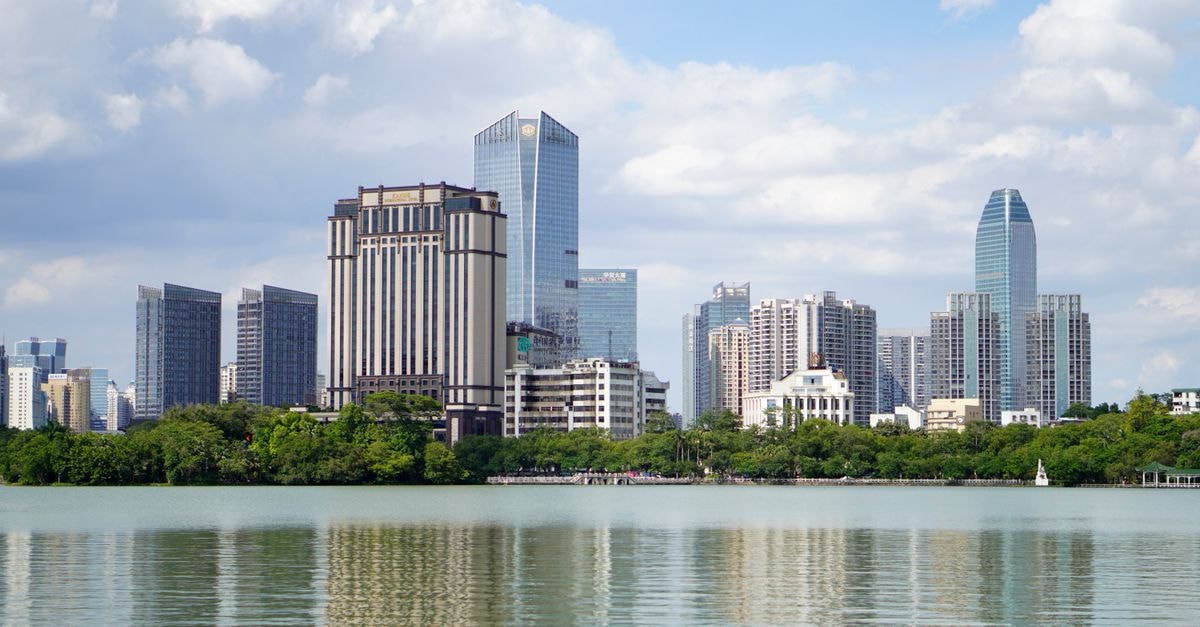
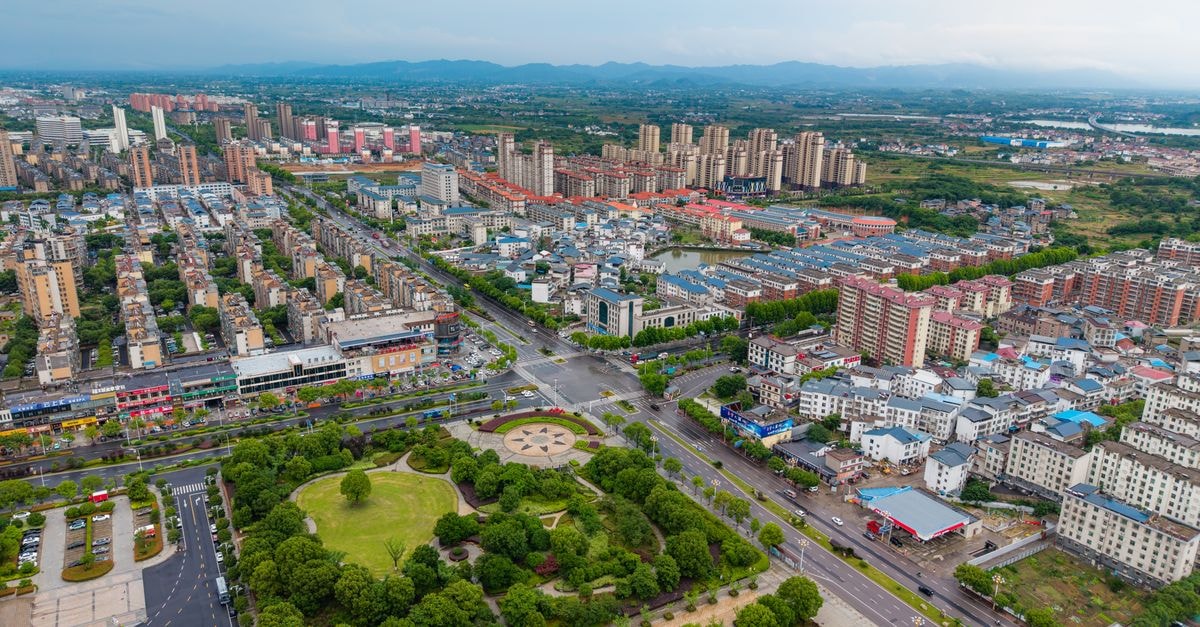
A forested retreat with a cooler climate

Set high in the mountains of Guizhou province, Liupanshui carries the nickname "Cool City" for good reason: average summer temperatures hover around 19°C, offering a refreshing break from the heat found in much of lowland China [F5-1]. That climate, combined with karst peaks and dense woodlands just outside the urban core, gives the city a quietly outdoorsy rhythm that travelers can lean into without rushing between big-ticket sights.
For visitors who prefer gentler pacing, cooler air, and time spent walking through nature rather than ticking off museum halls, Liupanshui reads as a soft adventure: a place where a single forest park can fill a long, slow day, and where the meal that follows feels like part of the experience. The guide below focuses on what the city genuinely offers within its approved footprint: weather context, the headline natural attraction, and the wider culture of eating well that visitors are likely to encounter.
Weather and seasonal context
Liupanshui's reputation as a "Cool City" rests on its average summer temperatures of about 19°C, which sits well below the figures most Chinese cities record in July and August [F5-1]. This cooler microclimate is the city's main draw for domestic travelers escaping the lowland heat, and it shapes how a day can feel outdoors.
Because the guide is evergreen, here is what is reliably true in general terms: the city tends to run cooler than much of the rest of southern China, so layering is sensible, and a light jacket often earns its place in a daypack, especially for mornings in forested valleys or cable car rides where wind picks up at the summit. Travelers sensitive to summer heat may find Liupanshui particularly comfortable, and those who usually avoid China's hotter cities in peak summer could consider adding it to a wider Guizhou itinerary for that reason.
Long-term climate context is the only weather claim supported here, so live conditions on the day of travel should always be checked through a current forecast before departure.
Attractions and planning
Once inside the park, hiking trails wind through ancient woodlands, and the forested setting has a particularly strong feel in autumn, when the canopy shifts color [F2-2]. For visitors who enjoy photography, slow walking, or simply sitting on a bench listening to birdsong between viewpoints, this kind of terrain tends to deliver more on a quiet morning than on a rushed afternoon.
Practical planning points that follow directly from the available evidence: build in at least a half-day for the park itself, allow time for the cable car round trip, and treat the woodland trails as the main event rather than a quick detour. Confirming current ticket prices, operating hours, and cable car timetables through the official park channel before the visit is recommended, as these details are not covered in the source material.
Food and local context
Liupanshui is the kind of city where food is part of the reason to visit, not an afterthought. The standard travel advice for the city is straightforward: alongside the scenery, the local cuisine deserves deliberate attention, and skipping it would mean missing a key part of the experience [F6-2].
Because no specific venue, signature dish, price, or opening time is supported by the source material, it is worth asking locally or checking recent reviews for current recommendations rather than relying on a fixed list.
Choosing what fits the trip
A few supported tradeoffs are worth weighing before settling on plans. If cooler air and forest scenery are the main draw, anchoring the trip around Yushe National Forest Park and leaving generous time for the cable car and woodland trails is likely to feel more rewarding than trying to compress multiple attractions into a single day. If food is the priority, treating meals as a planned part of each day, rather than a quick refuel between sights, tends to match the local rhythm.
A note before you go
Factual travel conditions can change, and details such as weather, ticket prices, cable car operating hours, and transit connections should be confirmed through official channels shortly before departure. Currency exchange rates are only a reference point if you convert any prices, and the live rate at the time of exchange is what will actually apply. Treat the suggestions above as a starting frame, then refine them with up-to-date local information.
Share this article
TOOLS FOR THIS PLAN
Make the Liupanshui plan measurable
Choose a tool only when it answers the next question in your trip. Your values stay in the browser, and each tool offers a route back to this planning context.