A First Look at Londrina

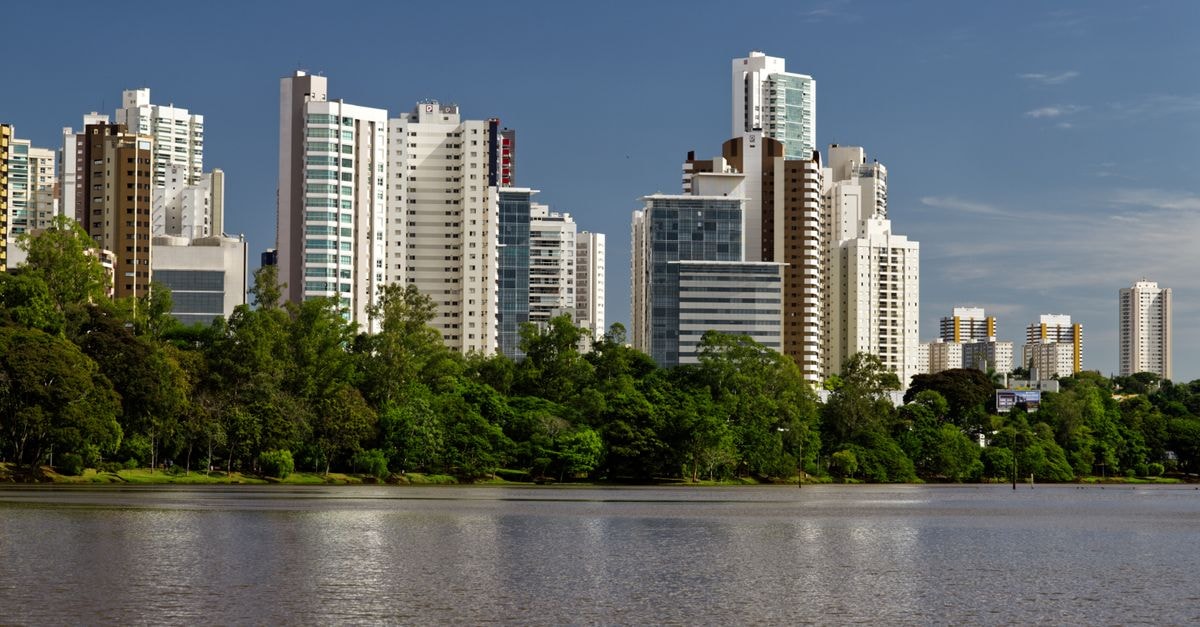
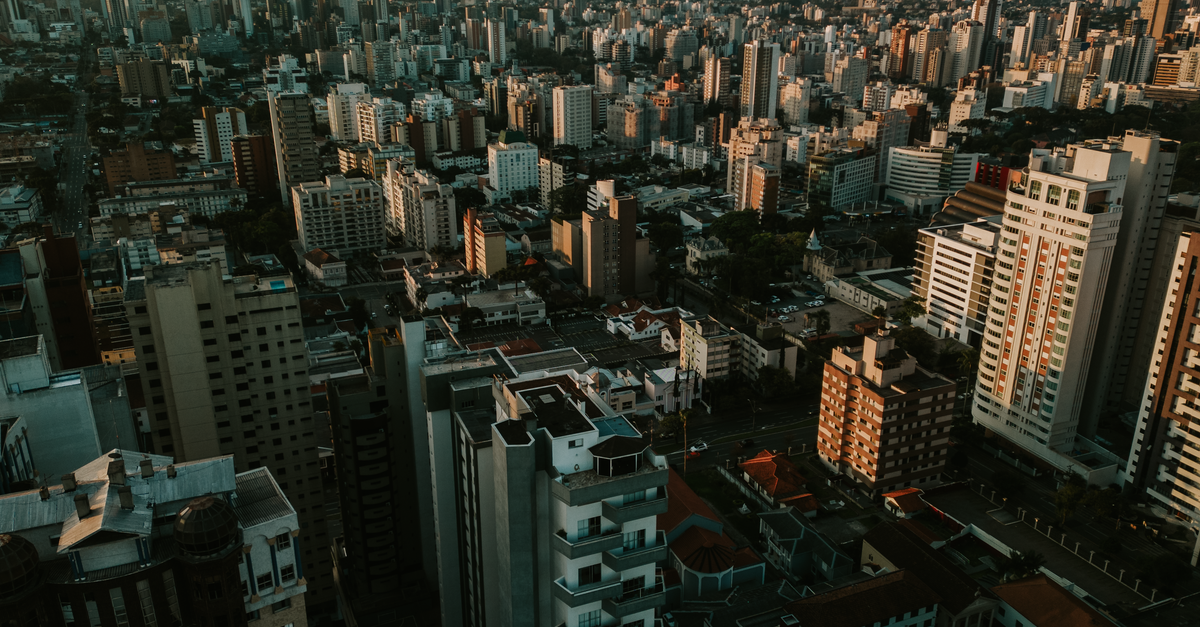
Tucked into the rolling state of Paraná in southern Brazil, Londrina carries the relaxed rhythm of a place shaped by agriculture and migration. Settled largely by waves of Brazilian and international newcomers in the twentieth century, it grew from a planned community into one of the region's most important urban centers. The city has a university-town energy without losing its regional identity, and travelers often find that its leafy avenues and unhurried cafés invite longer conversations than expected.
For the independent visitor, Londrina works well as a base for slow exploration. It is large enough to feel like a real city, yet compact enough that distances feel manageable. A few days here can be spent pairing green spaces with regional flavors, and leaning into the easygoing pace that defines northern Paraná.
Getting around
Arriving in Londrina by air, the airport sits close to the urban core, and the run into the city center is brief — municipal sources describe the typical travel time as approximately 15 minutes, depending on local conditions set by the prefecture of Londrina. Outside the Arrivals area, visitors will find vehicles available during flight schedules, including licensed taxis and rent-a-car options, which makes the airport-to-city transfer straightforward.
Inside the city, the public transport network is operated by CMTU, the municipal transit and urbanization authority of Londrina. The system has been modernized to give passengers access to advanced technological resources for planning their journeys, which is useful for visitors who prefer to figure out routes on their phone rather than relying on paper schedules. For travelers who want flexibility, taxis and rent-a-car services fill the gaps that public transit cannot reach, especially for out-of-the-way cafés or day outings along quieter roads.
A practical rhythm tends to work well here: use the bus network or a rented car for longer crossings between neighborhoods, and save taxis or ride-hailing for evenings or early-morning departures. Because routes and availability are managed by municipal authorities, it's worth confirming current conditions locally before longer trips.
Attractions and planning
Londrina is often described as a beach-and-mountain town in travel literature, depending on where you base yourself — coastal or highland regions sit within reach, offering a change of scenery from the city itself. The wider region is also associated with well-known Brazilian landmarks that lie well beyond Londrina itself, such as the UNESCO-listed falls of Foz do Iguaçu and the famous botanical garden of Curitiba, both of which help situate Londrina geographically within southern Brazil rather than as a stop on an accessible circuit from the city.
Inside the city, the emphasis tends to be on cultural heritage and natural beauty. Visitor guides frequently highlight Londrina's mix of urban green spaces, religious architecture, and small museums tied to its agricultural and immigrant past. Top-10-style attraction lists for the city tend to combine historic downtown landmarks with nature-oriented stops such as parks and lakeside promenades, giving travelers an easy rhythm of culture and fresh air across a day.
When planning time in Londrina, a useful approach is to anchor one or two mornings to heritage and museum-style stops, then leave the afternoons open for parks and outdoor spaces. The city's layout makes this kind of split comfortable, and the slower pace rewards visitors who resist the urge to rush.
Food and local context
Londrina's food scene is often described as a blend of traditional Brazilian flavors and international influences, a reflection of the city's history and its varied population. This mix of influences shows up not only in restaurants but also in everyday food culture, from bakeries to neighborhood snack bars.
Regionally, Londrina shares culinary similarities with neighboring states in southern Brazil, which means travelers will recognize familiar staples while also encountering local twists. Pamonha, made from fresh corn harvested from the fields around Londrina, is one such regional Paraná and southern Brazilian favorite — a soft, steamed dish wrapped in corn husks that captures the agricultural roots of the area. It is the kind of food that ties the plate to the surrounding landscape.
Beyond the savory side, the city's fair culture brings its own sweetness. Churros are a beloved treat at fairs in Londrina, and visitors who wander into weekend markets or local feiras will often find vendors serving warm, freshly filled churros alongside other street foods. These fairs are a relaxed way to sample everyday local flavors and to feel the texture of a Londrina weekend.
For travelers, the practical takeaway is simple: lean into the markets and fair stalls for an honest snapshot of the city's everyday eating, and save sit-down meals for the moments when you want to slow down and linger. Whether a plate of pamonha or a warm churros from a feira, the food here tends to be unpretentious and deeply tied to the land around it.
A Note on Practicalities
Londrina rewards visitors who treat it as a place to settle in rather than a checkbox. The combination of a compact center, a modernized bus system, and ready airport transfers makes logistics easy, while the city's food and green spaces give travelers a reason to stay a while longer. As with any destination, conditions can change — transport routes, fair schedules, and local services evolve with municipal decisions, so confirming details through official channels before departure is always a sensible step. With that in mind, Londrina offers the rare pleasure of a Brazilian city where the everyday rhythm, not the headline attractions, ends up being the real highlight.
Share this article
TOOLS FOR THIS PLAN
Make the Londrina plan measurable
Choose a tool only when it answers the next question in your trip. Your values stay in the browser, and each tool offers a route back to this planning context.