Weather and seasonal context

Ponta Grossa has a mild, generally warm and temperate climate, and it does see a fair amount of rainfall through the year, so packing for changeable weather is a sensible instinct. Days can feel pleasantly warm, while evenings and shaded areas can cool down quickly thanks to the elevation and open landscape of the Campos Gerais.
Because rain is a regular companion, light layers, a compact rain jacket, and comfortable walking shoes that can handle damp paths are useful staples. Mornings often start calm and bright, with weather shifting as the day unfolds, so pacing outdoor plans for earlier in the day and leaving indoor or relaxed stops for later tends to suit the climate well. Treat any forecast as a working reference, and check the latest local conditions shortly before you travel, since mountain weather in this part of Paraná can turn on a dime.
Getting around
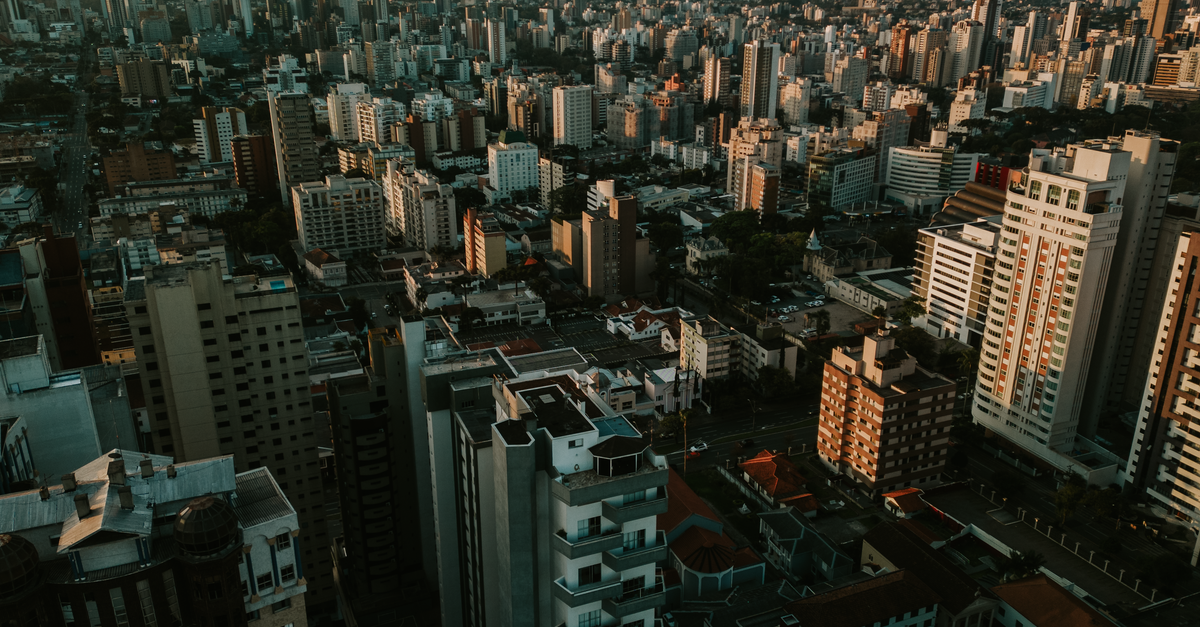
Ponta Grossa is easy to approach as a base once you arrive in the region. As a city in the Campos Gerais of central Paraná, it acts as a natural jumping-off point for the surrounding countryside, and most visitors organize their time around short moves between the urban center and the natural areas just beyond it.
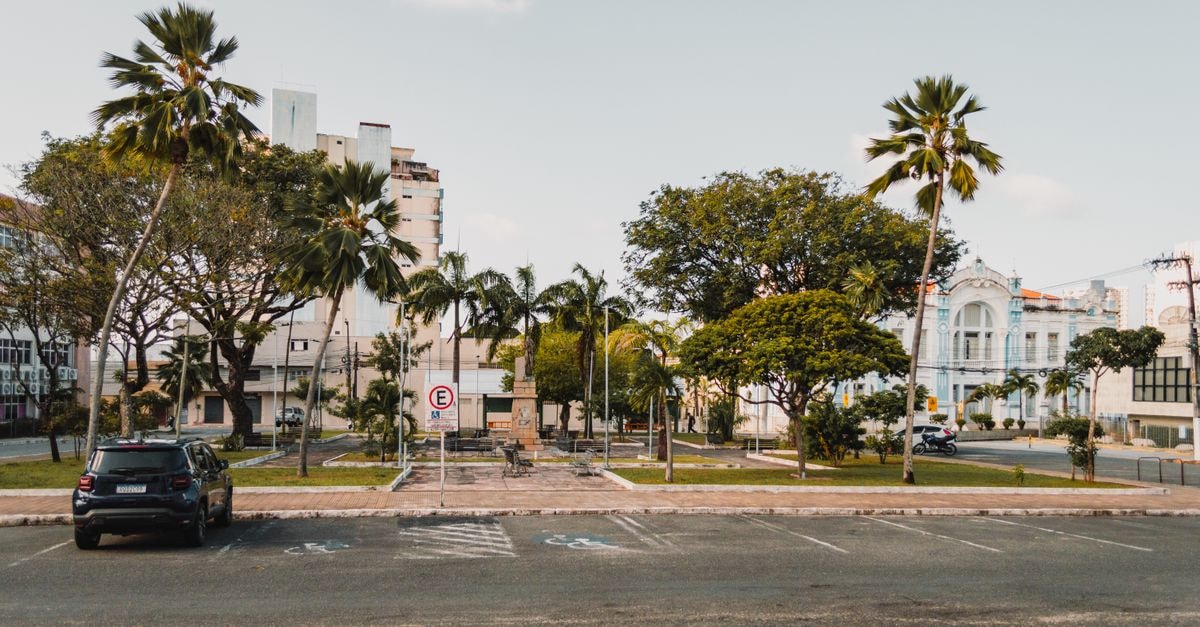
Within the city, getting around is generally straightforward. Taxis and app-based ride services are commonly used by visitors who do not have their own car, and the central areas are compact enough that walking between nearby cafes, plazas, and cultural venues is a pleasant option during milder parts of the day. If you plan to spend time at the natural attractions that define the region, having a car, joining an organized excursion, or arranging private transport will make the day smoother, since several of the standout landscapes sit outside the dense urban core.
For practical local updates, the municipal administration maintains a presence online, and city-run community programs and public services are regularly announced through official channels, which can be a useful first stop for current notices, road conditions, and event information before your visit.
Attractions and planning
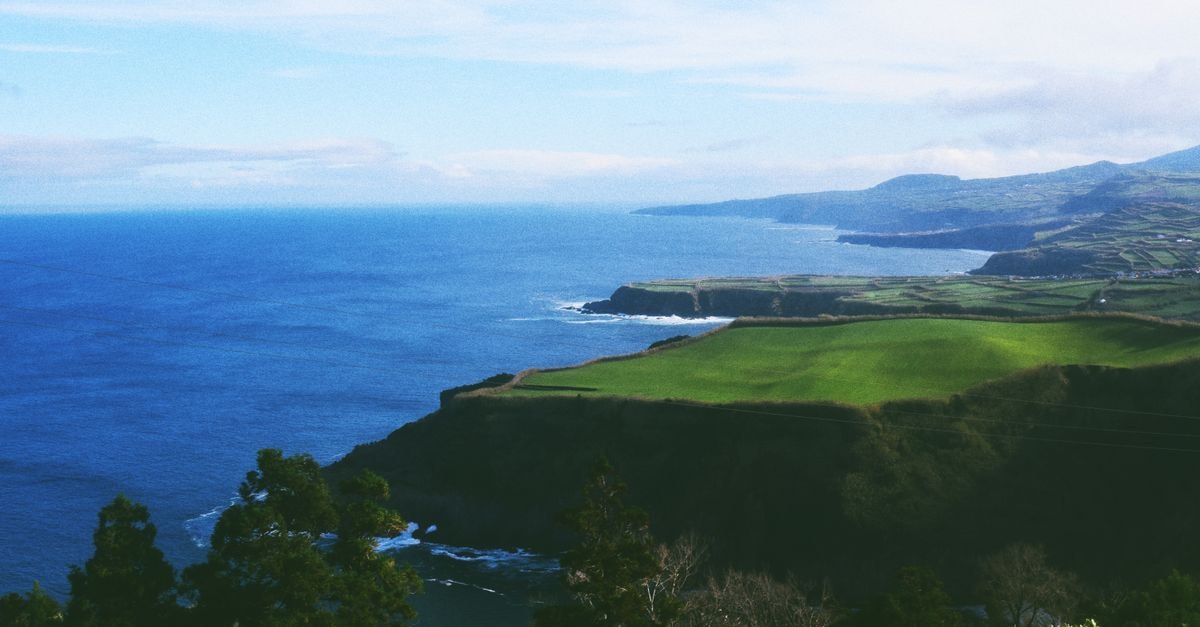
The city's identity is shaped by its natural surroundings, and Ponta Grossa itself is best read as a gateway to landscapes rather than a dense urban itinerary. Local tourism bodies describe the destination as a collection of natural, historical, and cultural attractions spread across the rolling terrain of the Campos Gerais, giving visitors multiple ways to spend their time, from active outdoor days to quieter heritage moments.
The two biggest draws most travelers hear about are the Vila Velha State Park, with its striking sandstone formations and easy-to-arrange guided walks, and the National Dark Draft Beer Party, known locally as Münchenfest, which brings a festive, beer-hall atmosphere to the city when it is held. Beyond those headliners, the city also has several other places worth visiting, and they tend to be nature-led: viewpoints, parks, and quieter corners of the countryside that reward unhurried exploration.
Planning a visit here works best with a loose structure. Many travelers pick one full day for Vila Velha, leaving room for a slower second day that mixes a museum stop, a heritage walk, or a casual afternoon in the surrounding countryside. Because the natural attractions can involve uneven paths and some driving, building in extra time for weather delays or simply lingering at a viewpoint tends to make the trip feel more relaxed than rushed.
Food and local context
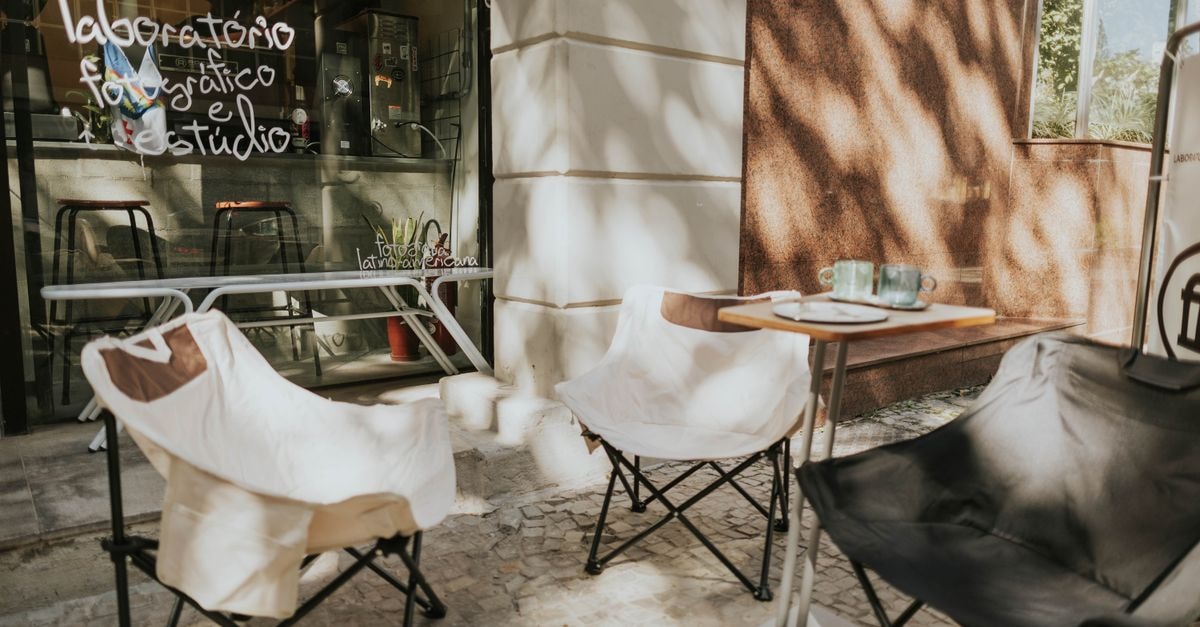
Ponta Grossa sits within a Brazilian food culture that visitors will encounter in cities and towns across the country, from the prato feito lunch counters that fuel a working day to the churrascarias that turn roasted meat into a slow, social meal. Street food is part of daily life in Brazilian cities, with handheld snacks like pastéis, acarajé, and pamonha showing up in markets and busy corners in different regions, giving travelers an easy, low-commitment way to graze between sights.
Coffee is another thread that runs through any visit to Paraná. The state is one of Brazil's notable coffee-producing regions, and cafés in and around Ponta Grossa tend to treat the cup as something to sit with rather than rush through, which fits the gentler pace many travelers are looking for when they come this way. Hearty, rustic plates rooted in southern Brazilian cooking also appear on menus in the region, often built around pork, chicken, rice, beans, and root vegetables, and they pair naturally with cooler evenings.
Because Ponta Grossa is a mid-sized city rather than a major culinary capital, the food experience here tends to feel personal and everyday rather than curated. Small family-run restaurants, neighborhood bakeries, and casual lunch spots are where most visitors end up eating well, and asking locals for a recommendation is usually rewarded. As with anywhere in Brazil, mealtimes can shift later than travelers from other cultures might expect, and a relaxed attitude toward dining hours is part of the rhythm you quickly settle into.
A final note before you go
Ponta Grossa rewards travelers who arrive without a packed schedule. Lean into the natural side of the city, give yourself a full day for Vila Velha, leave room for the smaller corners, and let the climate guide when you walk and when you rest. Factual travel conditions can change over time, so check official channels for the latest on weather, access, and any local events before you set off.
Share this article
TOOLS FOR THIS PLAN
Make the Ponta Grossa plan measurable
Choose a tool only when it answers the next question in your trip. Your values stay in the browser, and each tool offers a route back to this planning context.