Lopburi at a Glance
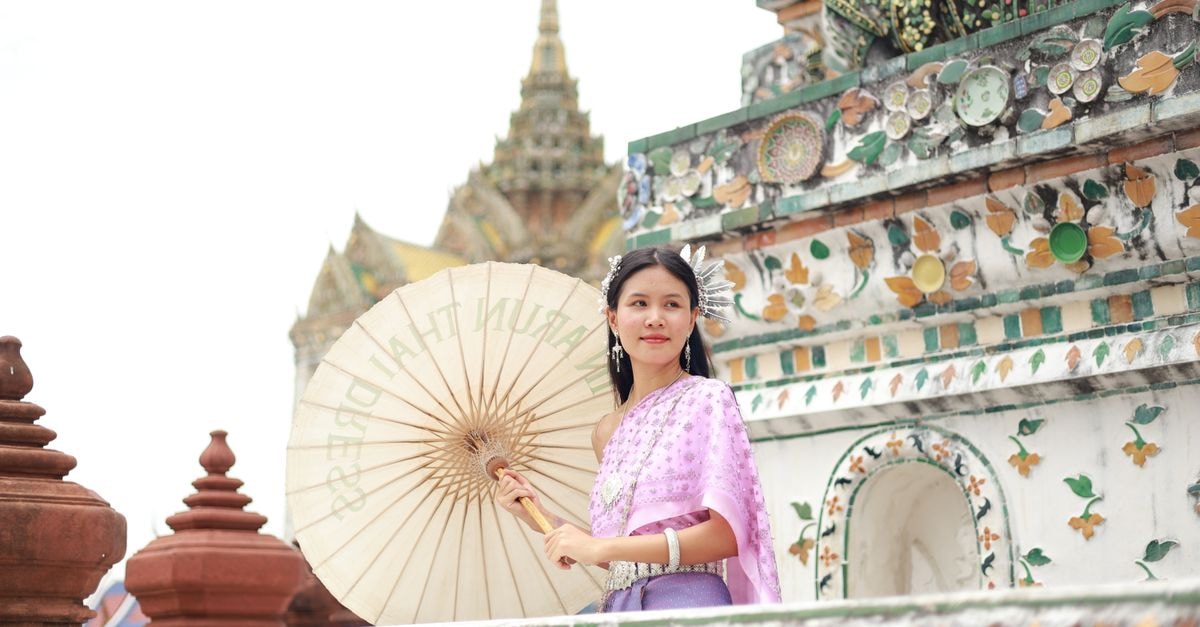
Lopburi rewards travelers who enjoy history at a compact, walkable scale. The city’s old center is anchored by the restored Phra Narai Ratchaniwet, a 17th-century royal palace, while the distinctive Khmer prang towers of Phra Prang Sam Yot are only a short walk from old-town hotels. Together, these places create an appealing focus for a city break built around architecture, heritage and unhurried exploration.
Weather and What to Wear
The approved information does not establish a reliable month-specific weather pattern for this guide, so clothing advice is best treated as preparation rather than assigned to a particular season. One useful nationwide reference is that the driest months in Thailand are generally December through February, but that broader country-level context should not be treated as a precise forecast for Lopburi.
National guidance also advises avoiding spaghetti-strap tops and very short shorts. This is a broader Thai clothing reference rather than a specific dress rule established for Lopburi.
The biggest practical adjustment at Phra Prang Sam Yot is about your belongings. In the monkey zone, use a front-worn pack or a closed crossbody bag rather than an open-top bag. The monkeys are a defining feature of the setting rather than a reason to handle them directly.
Getting Around the Historic Core
Lopburi’s compact historical area makes it easy to build a day around the old town. Phra Narai Ratchaniwet lies at the heart of the historic core, and the palace is described as a 10-minute walk from the old town. Phra Prang Sam Yot, widely known as the Monkey Temple, is around five minutes on foot from old-town hotels. These figures provide a useful sense of proximity without requiring a rigid itinerary.
If you prefer to stay near the major sights, an old-town hotel may suit travelers who prioritize short walks between the palace and Phra Prang Sam Yot. Those with a strong interest in the city’s royal and architectural history may also find the area a convenient base.
The broader city is known for quiet shopping and markets, while street food and nightlife form part of the wider Lopburi travel picture.
Phra Narai Ratchaniwet and Its Remarkable Annex
The Phra Narai Ratchaniwet Annex is a 17th-century French-influenced residence built for Constantine Phaulkon, a Greek adventurer and Ayutthayan minister who served as the effective prime minister of Siam under King Narai until his execution in 1688.
Today, the remains include a Roman-baroque red-brick façade. Set on an ordinary Lopburi side street, the façade feels unexpectedly theatrical, almost out of place beside its surroundings. That contrast is what makes the annex especially rewarding for visitors who like looking closely at traces of the past rather than simply moving between polished landmarks.
Phra Prang Sam Yot: Architecture and Monkey-Space Etiquette
Phra Prang Sam Yot contains seventh-century Khmer-style prang towers and stands close to the old-town hotels. The distinctive vertical forms offer a strong contrast with the French-influenced palace architecture, making the two principal stops complementary rather than repetitive.
Food and Wider Thai Customs
Lopburi is described as having street food, markets and quiet shopping, but the supplied facts do not identify individual dishes, stalls or restaurants. That means this guide cannot responsibly label a particular meal as a city specialty or recommend a specific venue. Let the street-food and market setting provide the context, while choosing what to eat in person rather than relying on an unsupported list of “musts.”
Thailand’s wider cultural context is relevant when visiting Lopburi, including the country’s food and etiquette customs. The national guidance emphasizes respecting local cultural and legal boundaries, while also noting the taboos and legal pitfalls that can cause trouble for travelers. These are nationwide points of reference, not evidence of a single Lopburi dining custom.
Choosing the Lopburi Focus That Fits
History-led travelers will find the strongest pairing in Phra Narai Ratchaniwet and its annex: one presents the restored royal palace, while the other adds a French-influenced residence with a red-brick Roman-baroque façade. Architecture enthusiasts can extend the contrast with the seventh-century Khmer-style prang towers at Phra Prang Sam Yot.
An old-town base may suit anyone who wants short walks and easy access to both major stops. The documented five-minute and 10-minute relationships between the key sights and old-town hotels support that preference, although they do not describe every property or walking condition. Visitors particularly interested in the monkey zone should weigh the benefit of staying close against the need to carry belongings securely.
Exchange rates shown are for reference only; check the current live exchange rate before departure. Prices, opening hours, schedules, reservation rules, and local conditions can change; verify them through official channels before departure.
Share this article
TOOLS FOR THIS PLAN
Make the Lopburi plan measurable
Choose a tool only when it answers the next question in your trip. Your values stay in the browser, and each tool offers a route back to this planning context.