Weather and Seasonal Context
Sakon Nakhon can feel strongest when the day is arranged around the changing outdoor conditions. During the hot season, the sun can be fierce, so consider seeing outdoor sights in the morning and evening and giving the midday heat a wide berth. This is a useful pacing strategy for travelers who prefer walking and sightseeing but would rather not spend the hottest part of the day in the open.
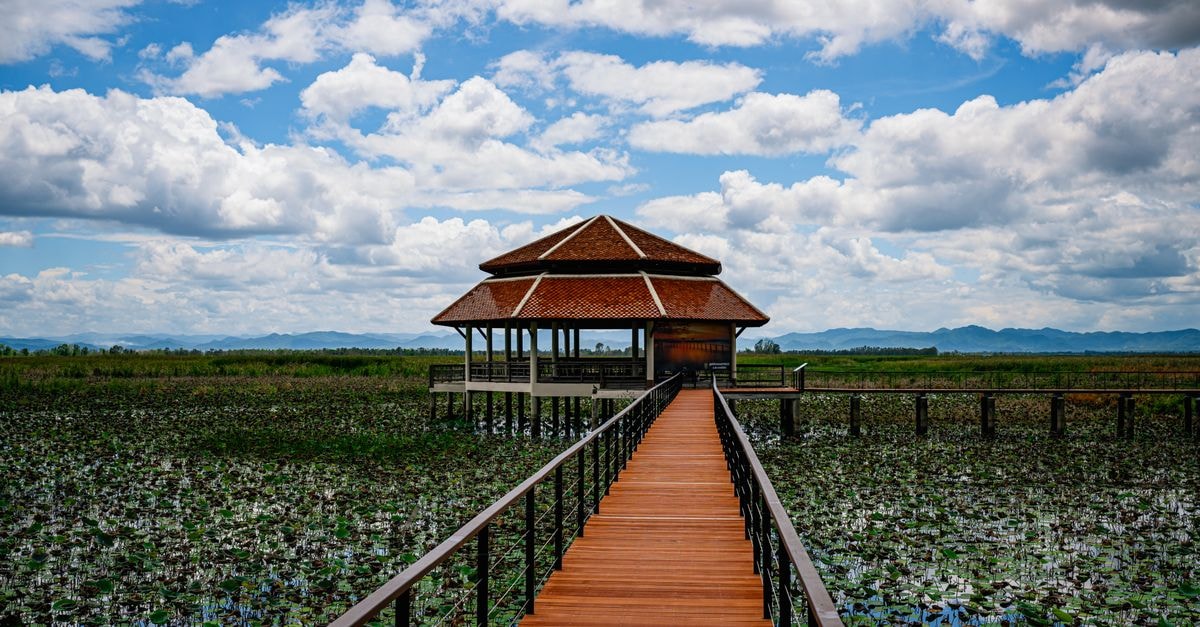
The red-lotus pond in the lakeside park is another reason to plan an early walk. Its flowers can bloom beautifully on cool-season mornings, making a morning visit especially rewarding for anyone interested in gardens, reflective landscapes, or photography. Because conditions vary, treat this as a seasonal possibility rather than a guarantee that the pond will look the same every day.
Sun protection belongs in the practical kit throughout the year. The Isan sun is strong nearly year-round, so sunscreen and a hat can make outdoor visits and time on Nong Han more comfortable. Bring both even if your schedule emphasizes temple interiors or shaded breaks, since the advice applies to walking outdoors generally.
Temple visits also call for clothing that keeps you comfortable while respecting the setting. Lightweight, modest clothing is a sensible choice in warm conditions. Sakon Nakhon is the heartland of the forest-meditation tradition founded by Luang Pu Mun, and many temples still have practicing monks rather than functioning only as tourist sights. If you visit a temple with an active religious community, consider dressing modestly and behaving quietly as signs of respect, without assuming that either practice is a confirmed entry rule.
Temples and the Forest-Meditation Tradition
The temples of Sakon Nakhon offer the clearest sense of place in this guide. They are not presented simply as a checklist of attractions: the city is closely identified with the forest-meditation tradition founded by Luang Pu Mun, and many local temples continue to welcome practicing monks. Visitors may find this particularly compelling if they are interested in meditation, living religious communities, or a more thoughtful approach to regional travel.
If you prefer cultural context over spectacle, consider slowing down and observing the atmosphere of a temple rather than treating every stop as a quick photo opportunity. In an active religious setting, modest clothing and quiet behavior may help you approach the visit considerately, although the available information does not establish them as formal rules. The evidence does not identify a specific ceremony, visitor routine, or temple schedule, so confirm any particular activity or arrangement before relying on it.
This focus may especially suit travelers who want to understand Sakon Nakhon through its spiritual and community traditions rather than through a tightly packed sightseeing list. It also gives a useful reason to leave some time unplanned: after a temple visit, a return to the lakeside or another nearby outdoor setting can feel more connected than rushing immediately to the next destination.
Getting Around and Setting the Pace
Sakon Nakhon is an Isan town that many travelers do not initially know much about, but it often wins over those who arrive with time to explore. That makes a spacious approach especially useful here. Rather than compressing many stops into a single outing, consider allowing the key experiences—temples, the lakeside park, and outdoor time around Nong Han—to shape the pace of the visit.
The approved information does not set out transport timetables, fares, or a specific network of routes, so it would be misleading to promise how visitors should move between sites. If your plans depend on a particular mode of transport or a time-sensitive connection, check the current local arrangement before departure.
For travelers who enjoy walking outdoors, the town and its lake area provide a basis for a more active visit, but the strong sun makes the timing of walks important. Morning and evening are particularly sensible options during hot weather. Elsewhere in the year, the same sun-protection advice remains worthwhile.
Nong Han is another setting for outdoor activity, including rafting in the context of the available travel guidance. Anyone drawn to water-based exploration may wish to build in sun protection, especially for time spent on the lake. The evidence does not describe access points, equipment, operating arrangements, or activity schedules, so those details need confirmation with a current local source.
Food and Wider Thai Context
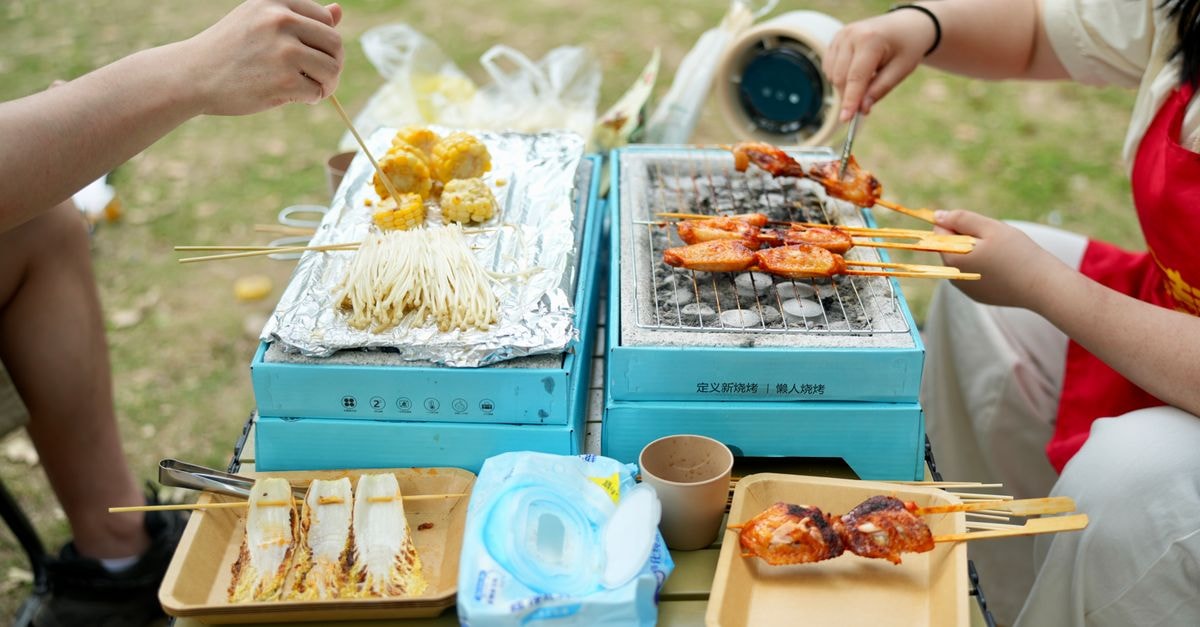
Food is part of understanding Thailand beyond the plate, and the broader cultural guidance warns against ignoring the taboos and legal pitfalls that can turn a smooth trip into real trouble. In Sakon Nakhon, approach everyday food customs with the same attentiveness you would bring to temple spaces: observe the setting, be respectful, and check local norms before acting.
The available guidance is nationwide rather than specific to Sakon Nakhon. It supports a general respect for Thai cultural etiquette but does not identify a particular local dish, market, restaurant, or menu. For that reason, this guide does not label any food as a Sakon Nakhon specialty or recommend a specific place to eat. Instead, use current local information to find dining that suits your preferences, and apply wider Thai customs as context rather than as a city-specific food list.
Choosing the Shape of Your Visit
The strongest choice for this destination depends on what you want from it. If the priority is outdoor time, plan walks and lake activities around the strongest sun, using morning or evening slots during hotter weather and carrying sun protection throughout the year. A lakeside visit may be especially appealing to anyone drawn to red lotus blooms, water views, or unhurried scenery.
If cultural depth matters more, let the temples and the city’s broader connection to the forest-meditation tradition guide the visit. Consider modest clothing, quiet conduct, and flexible timing as considerate practices when visiting temples with active religious communities, rather than as confirmed rules or guaranteed outcomes. If food culture is your focus, use the wider Thai etiquette guidance as broad cultural context and consult current local information for present-day dining options.
These approaches suit different travelers, but none requires a fixed stay length or a guaranteed sequence. The most useful plan is the one that balances outdoor comfort, cultural respect, and enough breathing room to experience Sakon Nakhon beyond a checklist.
Before departure, verify current transport arrangements, activity availability, temple access, and any local rules that could affect your visit. Factual travel conditions can change, and official channels or current local providers should be checked before you go.
Share this article
TOOLS FOR THIS PLAN
Make the Sakon Nakhon plan measurable
Choose a tool only when it answers the next question in your trip. Your values stay in the browser, and each tool offers a route back to this planning context.