Louga at a glance

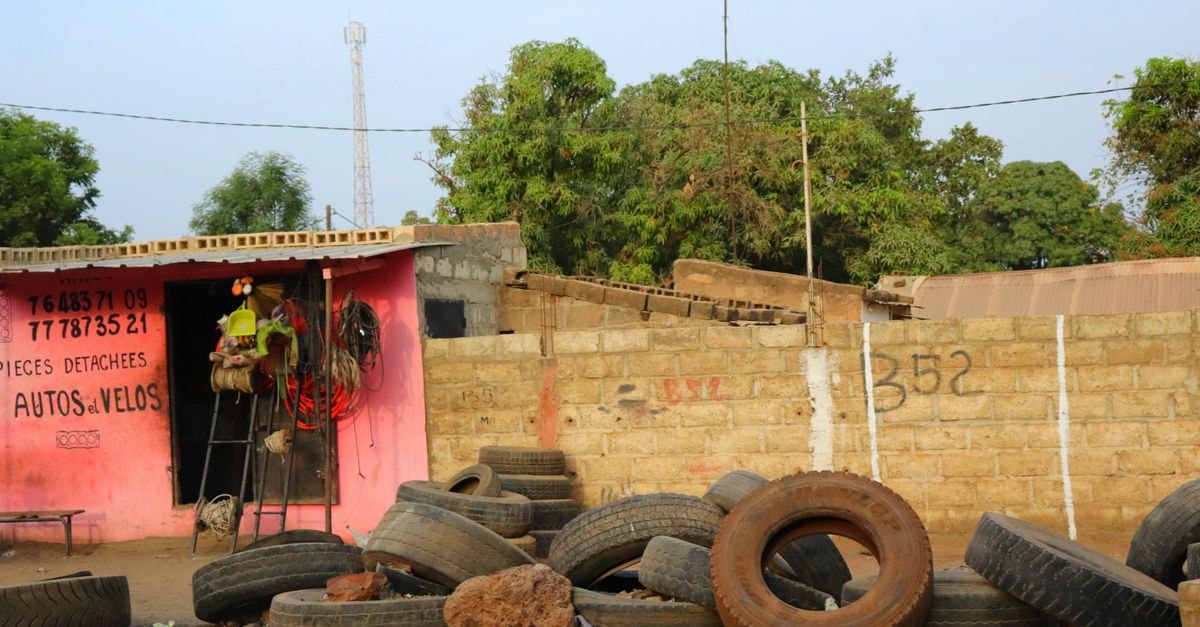
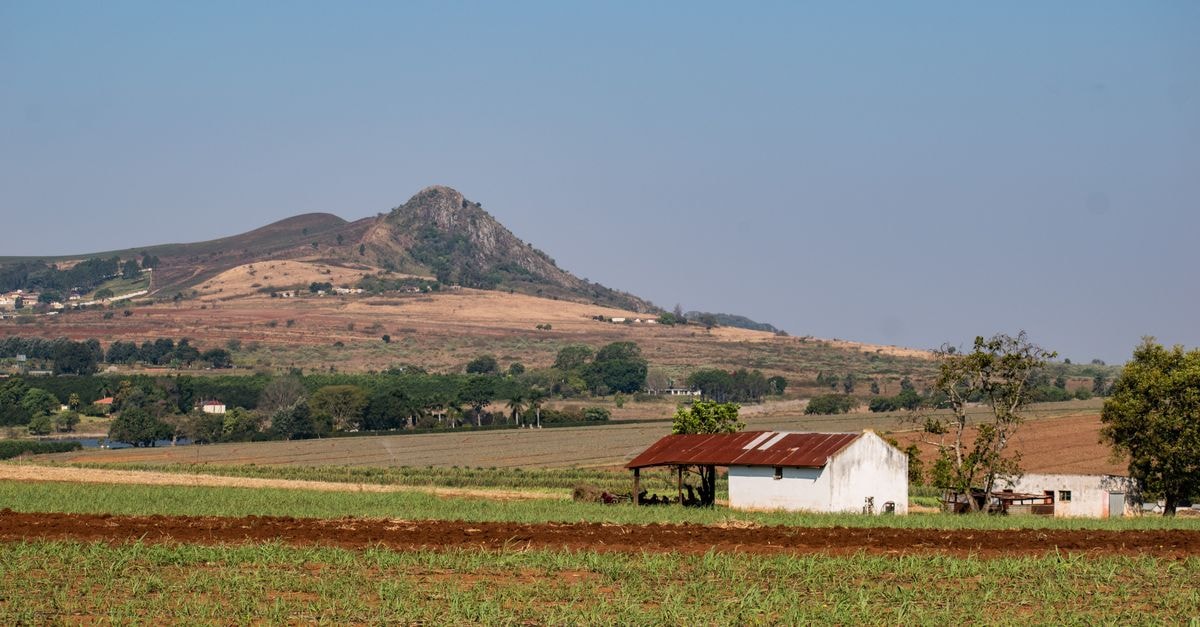
Louga sits in the Sahelian north of Senegal, a region shaped by millet fields, open skies and a slower pulse than the coastal capital. Walking through its bustling streets, a visitor can feel a real sense of cultural richness and historical depth, the kind of atmosphere that rewards unhurried exploration. Because Louga is not built around a single headline monument, the joy here is in letting the city unfold at street level, between shaded corners, neighborhood conversations and the small institutions that hold local memory.
Attractions and planning
Louga's appeal is layered rather than checklist-style. Several attractions in the city are described as offering unique experiences for visitors, and many reward travelers who enjoy wandering on foot and pausing for the texture of daily life. For those more inclined toward cultural immersion, a visit to the Louga Regional Museum is a clear anchor, a place to slow down and read the region before heading back out into the streets.
Planning a Louga visit is less about cramming stops and more about giving yourself margin. Because the attractions in town are spread through the urban landscape, allowing time to move between them and absorb the surroundings tends to suit travelers who like a cultural pace rather than a rushed schedule. If you prefer museum-based discovery, the Regional Museum can serve as a calm first stop, with the rest of the city explored on foot afterward.
Senegalese flavors you may encounter
Food is one of the easiest ways into Louga, since Senegal's food culture tends to arrive at the table without pretense. Senegalese cooking does not announce itself with the aggressive spice of some West African neighbors or the refined technique of North African kitchens; instead, it leans into the produce of its own landscapes.
The soul of Senegalese food is often described as Wolof, drawing on fish from the cold Atlantic current, millet and sorghum from the Sahel, and mangoes and cashews from trees that line rural roads. In a Sahelian city like Louga, millet-based dishes and the produce of inland Senegal are likely to feature more prominently than fresh Atlantic fish, but the broader Senegalese vocabulary of stews, grains and slow-simmered sauces is part of everyday meals. Expect shared plates, generous portions and an unhurried rhythm around eating.
Eating well as a guest
Refusing food or hospitality is considered one of the worst social faux pas, an etiquette norm that can surface at the table in Louga. In practical terms, that means accepting a plate when it is offered, eating at a comfortable pace and finishing what you take. If you have dietary restrictions, a gentle early heads-up tends to be received more easily than a refusal at the table.
Visitors should keep in mind that this is countrywide etiquette that may surface in Louga, not a city-specific rule. Treating shared meals as a chance to listen and observe often does more for the experience than trying to order like a local on your first day.
Choosing what fits your trip
A few supported tradeoffs can help shape how you approach Louga. If your interest leans toward museums and cultural institutions, anchoring the day around the Louga Regional Museum and then drifting through nearby streets may suit you, especially since the city's attractions are described as offering distinct experiences rather than a single signature sight. If your interest leans toward food, expect a Sahelian-leaning take on Senegalese flavors, fish appearing less often than in coastal cities, and a strong cultural emphasis on accepting what is shared.
Because Louga is presented more as a cultural and educational stop than a packed itinerary of landmarks, travelers who prefer a slower cultural pace and time to absorb local life may find the city rewarding. Travelers who want a long list of distinct ticketed sights in one place may prefer to combine Louga with a longer Senegal itinerary rather than treating it as a standalone destination. Light, breathable clothing, comfortable shoes for uneven ground and patience with the rhythm of the day tend to make the visit smoother.
A quick note before you go
Factual travel conditions can change, and details such as opening hours for the Louga Regional Museum, transport connections and current local guidance should be confirmed through official or local channels before departure. Rates and prices, where relevant, are only a starting reference. A short check-in with a local contact or visitor office on arrival can confirm what is open and how the day is best paced.
Prices, opening hours, schedules, reservation rules, and local conditions can change; verify them through official channels before departure.
Share this article
TOOLS FOR THIS PLAN
Make the Louga plan measurable
Choose a tool only when it answers the next question in your trip. Your values stay in the browser, and each tool offers a route back to this planning context.