Setting the scene in Tambacounda

Tambacounda sits in the Tambacounda Region of southeastern Senegal, the largest town in eastern Senegal and a place that tends to leave its mark on travelers before they even reach their next stop. Visitors often describe it less as a destination in the traditional sense and more as a working crossroads town, a hub where dusty bush taxis roll in from the west, goods move onward toward Mali, and travelers shift gears before continuing their journey. There is no glossy waterfront or grand colonial square here; the appeal is functional, layered, and rooted in movement.
The town lies on the sparsely populated sahel plains of eastern Senegal, a landscape of dry grasses, acacia, and wide horizons that gives the area its particular light. It is the main transport hub for Basse Casamance, Guinea, and Mali, which means that even a short stay puts you at a junction of routes that connect Senegal to a much wider slice of West Africa. That positioning shapes everything about how the town feels on the ground.
Weather and seasonal context
Tambacounda's sahel setting means that the climate reads differently than coastal Senegal. The plains of eastern Senegal can feel dry and sun-bleached for long stretches, with a quality of light that flattens distance and turns the sky into a pale wash above the rooftops. Because the town is not on the Atlantic coast, the cooling sea breezes that soften Dakar are absent, and the heat tends to settle in more directly. Travelers who arrive from the coast often notice the shift within the first hour.
Within the city, pace yourself accordingly. A morning walk or market visit can feel very different from the same outing later in the day, and stepping into shade or finding a place to sit for a while is part of how a day here naturally unfolds. Lightweight layers and a refillable water bottle are sensible companions. The rhythm of the town tends to slow in the hottest hours, which can actually work in your favor if you are the kind of traveler who likes a midday pause followed by a longer, busier late afternoon.
Getting around
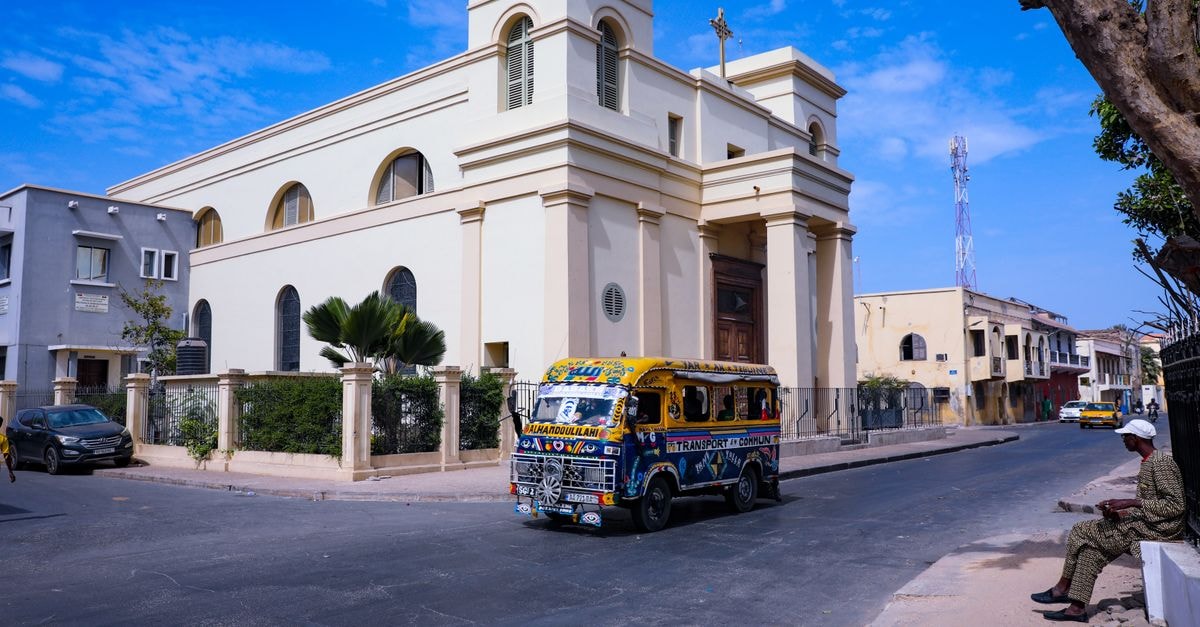
Tambacounda is best understood as a transport town first and a stopover second, and the way you arrive will likely shape your first impressions. It is the largest town in eastern Senegal, serving as a vital transport hub on the route to Mali, and the bus and bush-taxi yards are very much part of the everyday scene. Travelers often use it as a base for safaris into nearby Niokolo-Koba National Park, a UNESCO World Heritage site, which gives the town a steady rhythm of overland arrivals and departures.
For travelers who love the textures of working transport, there is a particular pleasure here that is hard to replicate in Senegal's better-known cities. Within minutes of stepping off a bush taxi, you can find yourself wandering through a working train yard that still hums with the ghosts of the Dakar–Niger railway, no ticket or guide required. It is the kind of place that rewards curiosity rather than a checklist. Wear sturdy shoes, keep your daypack close, and give yourself time to wander rather than rushing straight through.
If you are passing through on your way to Mali, to Basse Casamance, or toward the national park, Tambacounda works best as a one- or two-night base where you can sort transport, rest, and get your bearings before moving on. Those who prefer a slower pace and a sense of being somewhere off the standard circuit may find the town quietly rewarding in its own right, especially if they enjoy watching a place function rather than ticking off sights.
Attractions and planning
It helps to arrive in Tambacounda with the right expectations. There is no single signature landmark here, and the town's character lives in its daily routine rather than in a headline attraction. Travelers often use it as a base for safaris into nearby Niokolo-Koba National Park, which is the most common reason international visitors spend a night or two in the town before heading into the bush. Planning that side trip usually means arranging a vehicle, a driver, or a guided excursion from Tambacounda, and it is worth confirming details with your accommodation or a trusted local contact before you commit.
Within the town itself, the draw tends to be the working fabric of the place. The transport yards, the streets feeding into them, and the everyday market rhythm offer a candid look at how eastern Senegal actually runs. There is also the wider context of the region to keep in mind: the sahel plains around Tambacounda give the area a feeling of openness that contrasts sharply with the Atlantic coast, and even a short walk at the edges of town can shift your sense of where you are in Senegal.
Because attractions here are less about a fixed list and more about how you engage with the town, give yourself flexibility in your planning. If you are heading toward Niokolo-Koba, treat Tambacounda as a staging point and a place to slow down. If you are simply passing through, a few hours spent walking, watching transport come and go, and pausing for a meal can be more rewarding than rushing to the next connection.
Food and local context
Tambacounda does not present itself as a culinary capital, and the food scene here is best understood as an extension of Senegalese food culture at large, adapted to a sahel town. Senegal's food culture does not announce itself with the aggressive spice of West African neighbors or the refined technique of North African kitchens, and that quieter style carries over into how meals unfold here. Visitors may encounter dishes built around fish from the cold Atlantic current, millet and sorghum from the Sahel, and fruits like mangoes and cashews from trees that line rural roads, all framed within a Senegalese rhythm of gathering and sharing.
Eating in Tambacounda is usually a simple, sociable affair. Meals tend to be eaten at local restaurants, shared plates, or street-side stalls rather than formal dining rooms, and the pace is unhurried. Hospitality carries real weight here, just as it does across Senegal, and refusing food or hospitality is one of the worst social faux pas. When you are offered a plate or a glass of tea, accepting graciously is part of participating in the place rather than just observing it.
If you prefer familiar flavors, you will generally find grilled fish, rice dishes, and millet-based staples in and around the town. If you are curious and willing to follow what is being cooked that day, the experience tends to feel more personal. Travelers who enjoy eating where locals eat and who are comfortable pointing at what looks good or accepting what is offered tend to feel most at home here.
Choosing what fits your trip
Tambacounda suits travelers who are comfortable with a town built around movement rather than sightseeing, and who want a base for reaching eastern Senegal's protected areas or onward routes toward Mali. It may not suit those looking for a polished resort town, a dense cluster of attractions within walking distance, or the social rhythm of Dakar and Saint-Louis. If you prefer coastal breezes, a slower beach pace, or a more curated cultural itinerary, you may find the Sahel's dryness and the town's working character more demanding than rewarding.
A note before you go
Factual travel conditions in Tambacounda can change, and details such as transport schedules, park access, and local services are worth confirming with official or trusted local channels before you travel. Treat this guide as a starting point rather than a final plan, and verify the specifics that matter most to your route before departure.
Prices, opening hours, schedules, reservation rules, and local conditions can change; verify them through official channels before departure.
Share this article
TOOLS FOR THIS PLAN
Make the Tambacounda plan measurable
Choose a tool only when it answers the next question in your trip. Your values stay in the browser, and each tool offers a route back to this planning context.