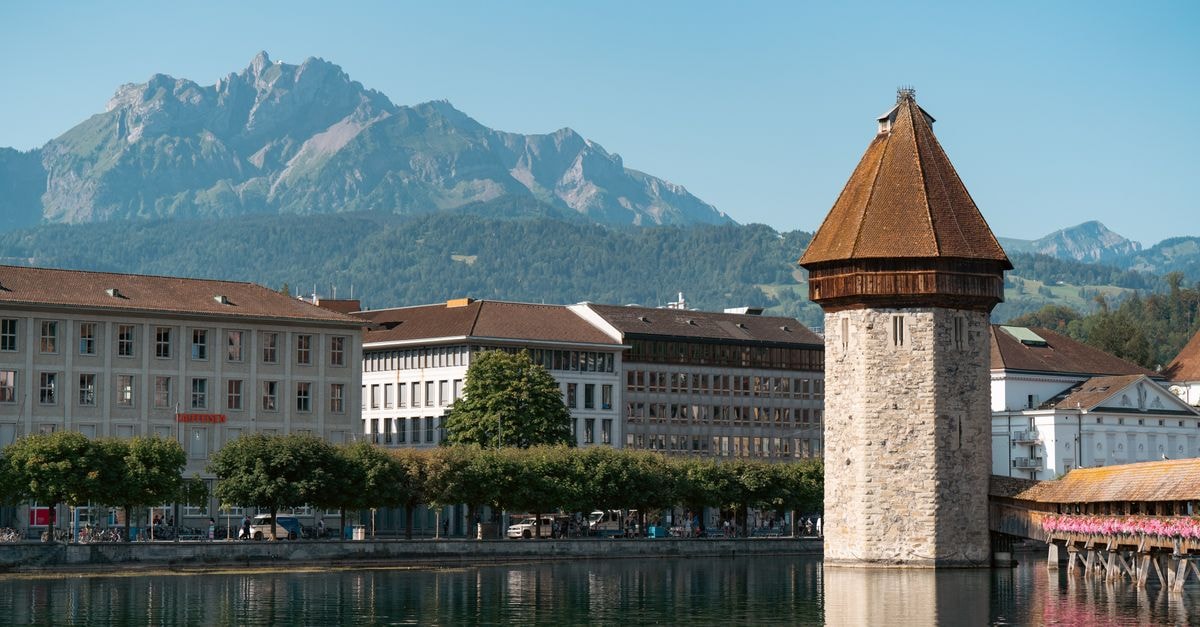
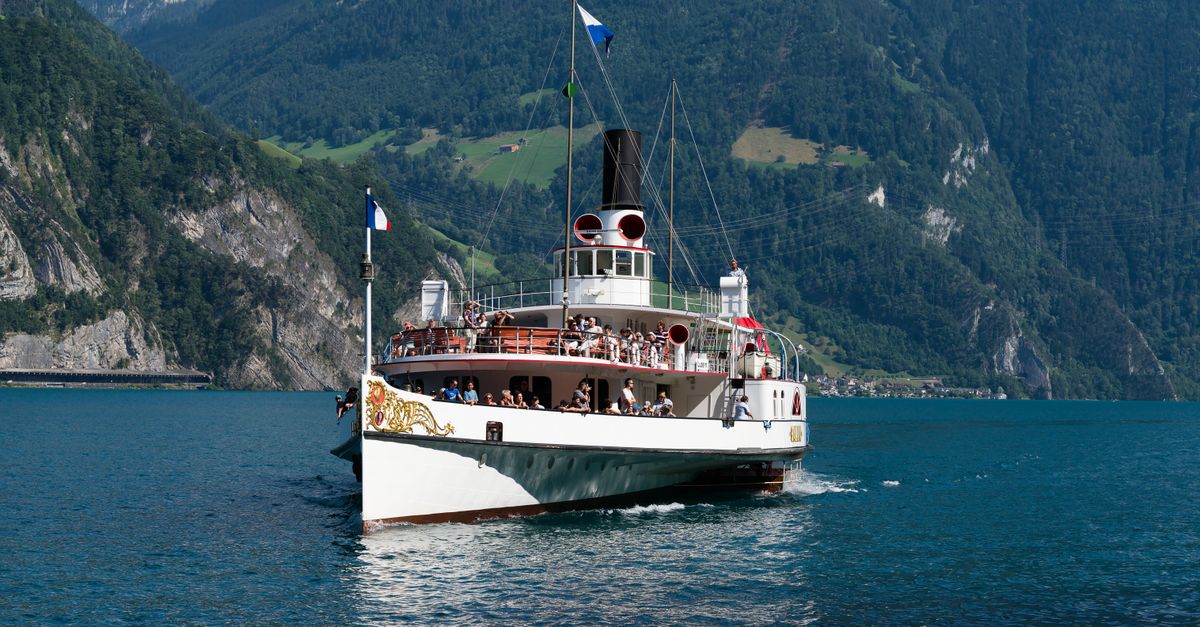
There is a particular kind of quiet that settles over a Swiss lake town in the early hours, and Lucerne wears it especially well. The compact old town, the pale ribbon of the Reuss, and the soft rise of forested hills behind the waterfront make the city feel composed rather than crowded. For travelers who like a destination where the rhythm of the day can be shaped by mood rather than a packed schedule, Lucerne offers a reassuringly walkable canvas: a historic bridge, a riverside promenade, a working concert organ, and a lake that always seems to be reflecting something worth pausing for.

Weather and seasonal context
Lucerne sits at the point where the Reuss River flows out of Lake Lucerne, with forested hills and snow-dusted peaks framing the city on three sides. That geography alone shapes how the air feels on any given visit. Mornings along the lakefront can begin crisp and bright, while afternoons by the river tend to warm up enough to sit outside without a heavy layer. Because the city is partly sheltered by surrounding hills and partly open to the water, conditions can shift several times within a single walk from the station to the lake.
One of the most rewarding ways to feel the city's seasonal mood is to start at the Torbogen Luzern, the monumental arch that remains from the old train station, and then trace a route along the Reuss and the lakefront. This walk covers the essential landmarks along the river and the waterfront, and it works at almost any pace. If you prefer a slower day, consider tackling the route in two halves: an unhurried riverside stretch before lunch, then a looser wander along the lake later, when light tends to be softer. Travelers who dislike long unbroken climbs may appreciate that this particular walk stays largely level, threading between landmark rather than scaling the surrounding hills.
Layering is the practical key. Even on bright days, the breeze off the lake can feel cool once you stop moving, and shaded stretches under the bridge canopies stay noticeably chillier than the open quays. A light scarf or packable jacket earns its place in any bag.
Getting around
Lucerne works beautifully as a gateway between tradition and nature, and the city itself is genuinely compact. The old town, the Chapel Bridge, the lakeshore and the riverside walks all sit within a comfortable radius, which means visitors rarely need more than comfortable shoes and a sense of direction. The city is located on Lake Lucerne and is anchored by its Chapel Bridge and the surrounding old town, so a great deal of sightseeing can happen entirely on foot without ever feeling like a hike.
For travelers arriving by train, the short walk from the station into the heart of the city is itself part of the introduction. The Torbogen Luzern archway offers a memorable threshold into the old town, after which the streets quickly narrow into the lanes around the Chapel Bridge and the Reuss.
Cultural stops fit naturally into a day of walking. The city hosts a working concert organ that is open to visitors, and recitals are held on a posted schedule that is worth checking in advance. For travelers who love sacred and classical music, this can be the unexpected highlight of a Lucerne visit: a brief, resonant recital in a setting that feels centuries removed from the bustle outside. If you prefer to time your sightseeing around a performance, check the posted recital times on the day, as schedules can vary across the year. Entry to the church itself is free, while the organ concerts may carry a small fee in the range of roughly $15–25; confirm the current price when booking, since this figure can change. Travelers on a tighter budget, or those who simply want a quieter experience, can plan a visit around the free entry hours and skip the paid recital entirely without feeling they have missed the building itself.
Because so much of Lucerne can be enjoyed on foot, getting around rarely requires planning beyond comfortable footwear and a rough sense of which direction the lake lies. The compact layout rewards spontaneous detours: a side lane toward the river, a bench facing the water, or a pause under the covered bridge when the light turns golden.
Choosing what fits your Lucerne day
A few small tradeoffs tend to shape how a Lucerne day feels. If sacred art and historic organs are a highlight for you, anchor your visit around a recital and build the lakeside walk either before or after, so you arrive unhurried and leave reflective rather than rushed. If you would rather move at the pace of the city itself, skip the timed events and let the Torbogen-to-lakefront walk dictate the rhythm, pausing wherever the view earns it. Budget-conscious travelers can focus on the free entry to the church and the entirely walkable historic core, keeping any paid recital as an optional extra rather than a centerpiece. Lucerne rewards flexibility more than a checklist, so leave room in the day for the kind of detour that only a lake town seems to offer.
*Factual conditions in Lucerne can change, and details such as concert schedules, recital fees, and opening arrangements are best confirmed through official channels shortly before travel.*
Share this article
TOOLS FOR THIS PLAN
Make the Lucerne plan measurable
Choose a tool only when it answers the next question in your trip. Your values stay in the browser, and each tool offers a route back to this planning context.