A warm introduction to Ludhiana

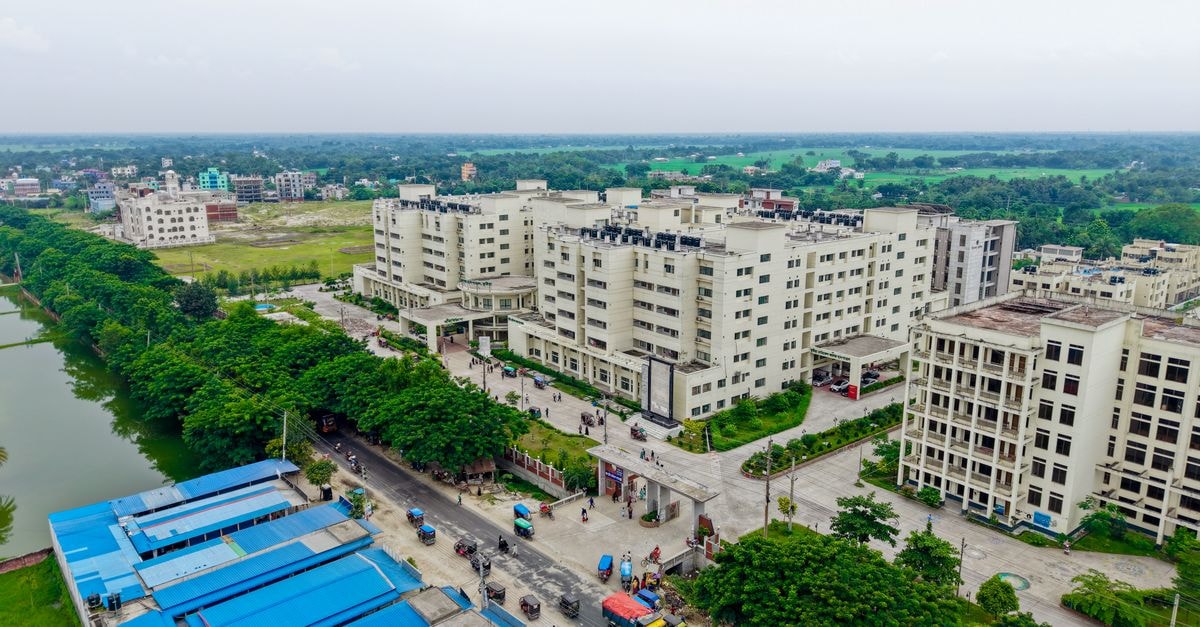
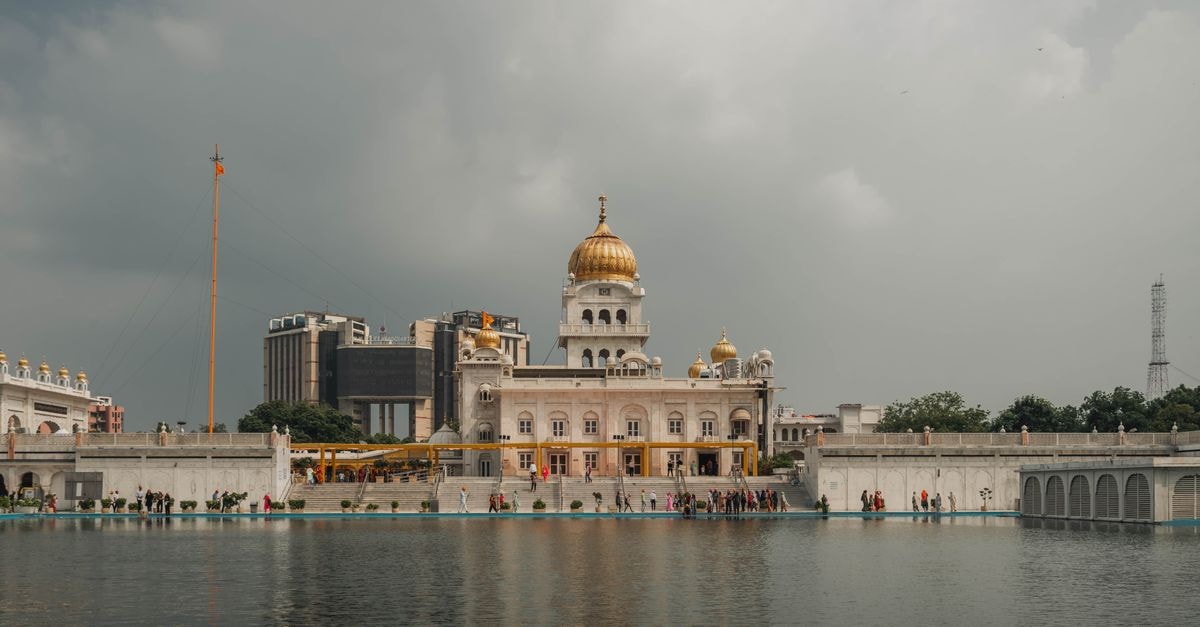
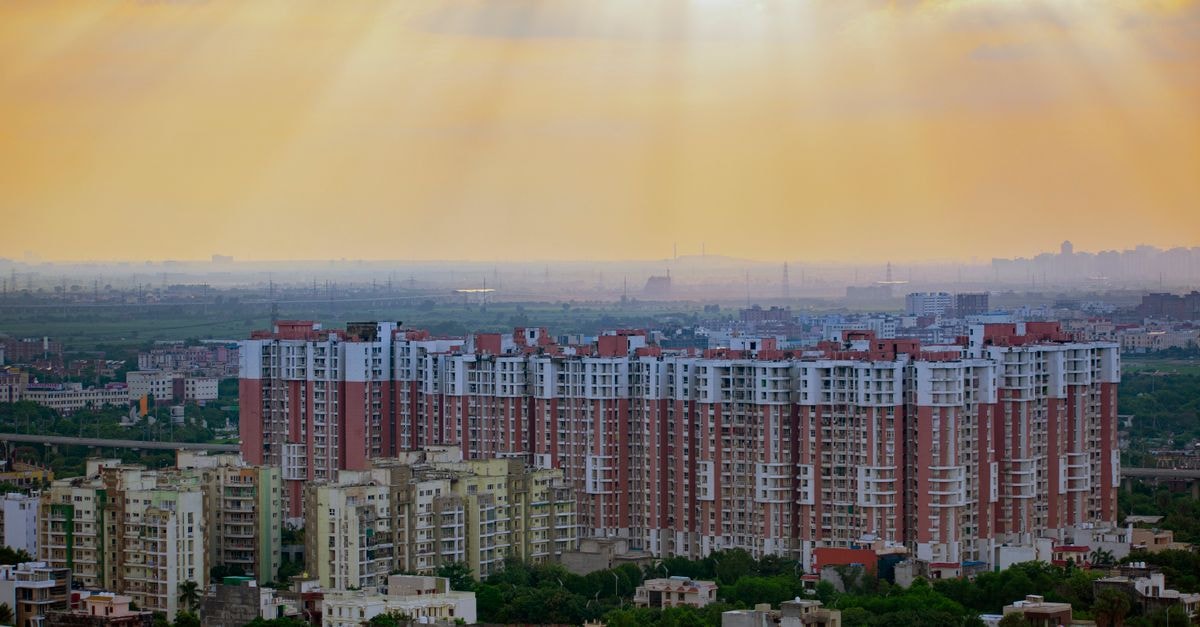
Sitting on the southern banks of River Satluj, Ludhiana carries a layered identity: an industrial powerhouse wrapped in a cosmopolitan atmosphere, ringed by sacred shrines and threaded with pockets of older heritage. Travelers often arrive expecting one thing and leave appreciating another. The city rewards a slower pace, a willingness to wander between shrines, markets and quieter cultural stops, and an appetite for the kind of Punjabi warmth that turns a quick visit into a story.
This guide is written for the curious first-time visitor who wants to feel the texture of Ludhiana rather than tick boxes. It leans on durable city facts and avoids anything that would need a fresh calendar to remain true.
Weather and seasonal context
The weather note here is intentionally light. None of the approved city facts pin Ludhiana to a specific temperature, current condition, or short-term forecast, so a daily weather report would be speculation. What the evidence does support is a calm description of the city's setting and a few of the heritage anchors that shape a visit in any season.
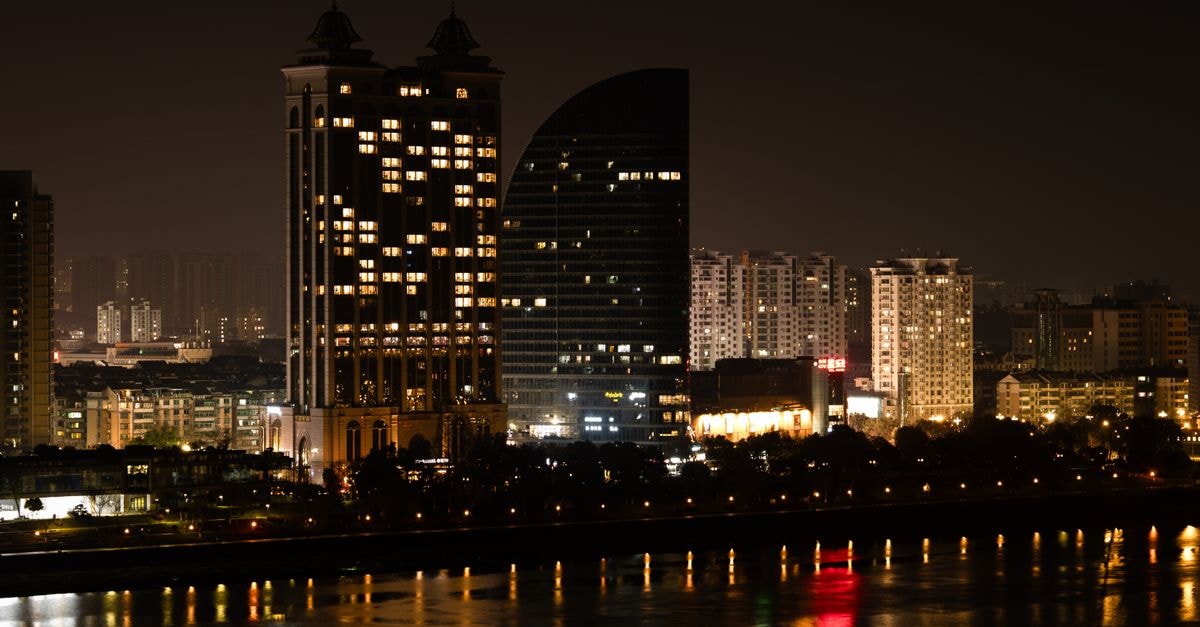
Ludhiana sits on the southern banks of River Satluj, and that riverside position gives the city a slightly breezy, open feel compared with denser inland towns. The city's identity is described as an eclectic punch of history paired with a cosmopolitan vibe, spread across sacred shrines, tourist sites and sprawling malls. In plain travel language, this means a Ludhiana itinerary can naturally swing between the spiritual, the historical and the contemporary without much effort.
Two heritage anchors carry through any season. The Maharaja Ranjit Singh War Museum is dedicated to soldiers who lost their lives in the wars before the pre-Independence era, and houses 12 galleries with memorabilia, uniforms and medals. Visiting it takes on a reflective tone in any weather; the indoor galleries make it a sensible refuge on a hot afternoon or during a heavy shower, while the outdoor approach is comfortable in milder stretches.
Phillaur Fort, also known as Maharaja Ranjit Singh Fort, is a military fortress located on the Grand Trunk Road. Its position on a historic road that has carried traffic for centuries makes it a natural anchor for travelers who like to pair a stop with a sense of the route itself. Consider visiting early in the day when heritage sites tend to feel calmer.
For traveler fit: if you prefer a route that leans more on reflective stops and indoor galleries than on long outdoor walks, anchoring the day at the war museum and then continuing to Phillaur Fort can keep the pace gentle. Travelers who enjoy historic road-tripping context may especially appreciate Phillaur's Grand Trunk Road setting.
Getting around
Ludhiana is an industrial city in Punjab known for its Punjabi culture, and that industrial character shapes how the city moves. Roads here are built for serious daily traffic, not for slow sightseeing, so the practical task is to plan movement rather than improvise it.
If you prefer to keep plans open, consider booking a hotel that sits somewhere between the heritage anchors and the more contemporary areas of Ludhiana, so that both older monuments and newer shopping districts remain reachable without long commutes.
Food and local context
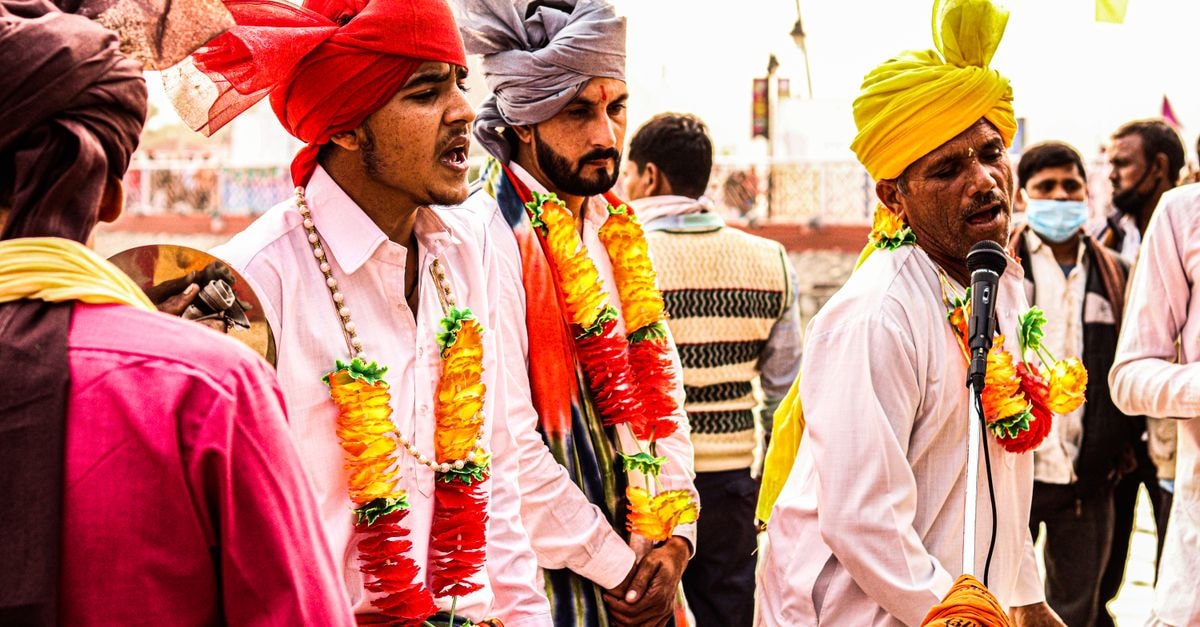
Food is one of the most expressive windows into Ludhiana. The city is associated with Punjabi culture, annual festivals like Baisakhi, and culinary specialties such as butter chicken and amritsari kulchas. None of these are restaurant names or specific menus, but together they signal a city where meals are hearty, fragrant and meant to be shared.
Within India more broadly, the country's staggering array of regional cuisines means that dining is rarely just about eating; it is also about understanding local traditions. Whether traveling through India or simply looking to experience authentic Indian cuisine, paying attention to those traditions can help visitors connect with local culture. Food is more than just sustenance in India; it is an integral part of rituals, festivals, and social gatherings.
For visitors, the practical takeaway is that meals in Ludhiana tend to unfold as social events. Allow time to sit, accept what's offered, and follow the room. If you are curious about regional differences, treat each meal as a small lesson; if you already know what you love, ordering a classic like butter chicken or an amritsari kulcha is a grounded way to anchor a Ludhiana food memory.
For traveler fit: travelers who care about food as cultural texture rather than as a checklist of signature dishes may find the broader India dining context especially useful here, because it explains why a Punjabi thali or a kulcha stop often feels ceremonial rather than transactional.
Choosing what fits your trip
Ludhiana suits travelers who enjoy stitching heritage stops into a working rhythm. If your interests lean toward pre-Independence history, the Maharaja Ranjit Singh War Museum offers a calm, gallery-rich anchor that works in any weather, while Phillaur Fort adds a road-heritage angle for those curious about the Grand Trunk Road. Travelers who prefer meals to feel like cultural events will find the city's Punjabi culinary reputation and the wider Indian dining traditions a natural pairing. If you would rather keep logistics simple, booking through a comparison platform and choosing a base near the heritage side of the city can reduce daily travel time without limiting access to the contemporary areas of Ludhiana.
A note before you go
This guide reflects durable city facts rather than current conditions. Opening hours, ticket policies, transit details and on-the-ground availability can change, so it is wise to confirm anything time-sensitive through official channels or your booking platform before you travel. Currency rates, where relevant, should be checked at the time of your visit. Treat this article as a starting frame for Ludhiana, and let the city itself fill in the rest.
Share this article
TOOLS FOR THIS PLAN
Make the Ludhiana plan measurable
Choose a tool only when it answers the next question in your trip. Your values stay in the browser, and each tool offers a route back to this planning context.