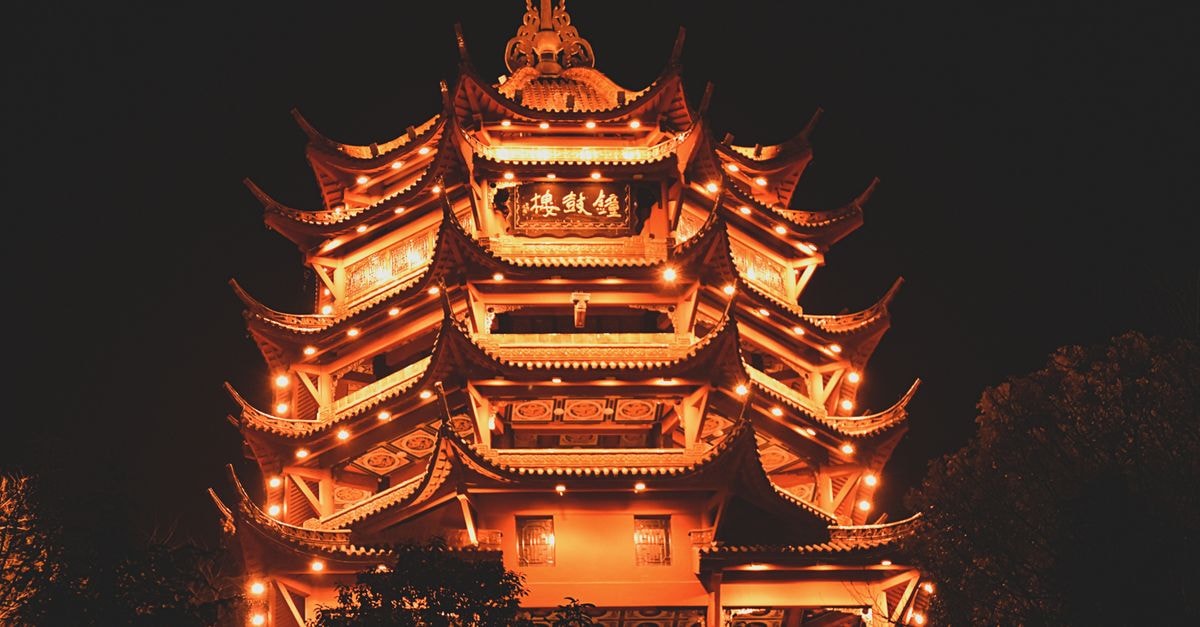
A first look at Luohe

Luohe sits in the heart of Henan province, a historic city along the Sha River where literature and food culture have long shaped daily life. The city is recognized as a "Food Capital" of the Central Plains, and it carries a quieter claim to fame as the hometown of Xu Shen, the scholar behind the Shuowen Jiezi, the world's first comprehensive Chinese dictionary (F3-1). That blend of culinary identity and deep textual heritage gives Luohe a distinctive flavor for travelers who like to look beyond the obvious stops on a Henan itinerary.
What surprises many first-time visitors is how industrial scale and tradition sit side by side here. Luohe is the headquarters of Shuanghui Group, China's largest meat processing company and a Fortune Global 500 enterprise (F2-2), and the rise of that company is woven directly into the city's modern identity. For travelers who enjoy understanding a place through what it produces, Luohe offers a layered story rather than a single headline attraction.
Tracing the Shuanghui story
Luohe's most distinctive sightseeing experience is also one of its most accessible, because it tells the story of how a small local butcher shop grew into a global food empire. Visitors can tour the Shuanghui Museum, which traces that journey from neighborhood counter to international brand (F2-1). It is the kind of place that rewards curiosity about everyday commerce as much as about headline tourism.
The wider Shuanghui Industrial Zone anchors the company's headquarters and reflects the scale of modern Chinese food production (F2-2). For readers who are interested in how a single hometown brand shaped an entire city's economy, this combination of museum and headquarters gives a clear narrative arc. Travelers who prefer walking through ancient streets or photographing traditional architecture may find this experience less aligned with their interests, since the focus here is firmly on industrial heritage and brand history rather than on historic landmarks.
A practical note: details such as specific opening hours, guided-tour times and ticket prices for the museum are not covered in the approved source material, so it is worth checking official channels before you plan a visit. There is also no direct evidence in the available sources about the layout of the industrial zone for casual visitors, so consider confirming visitor access in advance if that is central to your plans.
Luohe as a Food Capital of the Central Plains
Beyond Shuanghui, Luohe's reputation as a Food Capital is rooted in long-standing markets as well as modern industry. The city is famous for its traditional Chinese medicine market, one of the largest in central China, where herbs and remedies have been traded for centuries (F3-2). For travelers who like to wander markets and read labels, this is a place where the everyday rhythm of the city is visible in the goods on offer.
This market heritage fits naturally into a broader picture of Chinese food culture, where regional diversity and balance are celebrated as core traditions (F5-1, F5-2). Visitors arriving from outside China will quickly notice that cuisine is treated as both nourishment and identity, an attitude that shapes how locals talk about what they eat and where it comes from. The eight major cuisines of China each have their own characteristics (F4-1), and Luohe's position in Henan means travelers may encounter flavors and ingredients drawn from that wider national conversation.
It is important to keep this culinary context in proportion. The national-level evidence describes Chinese food culture broadly and does not point to a specific Luohe restaurant, dish, or market stall. Travelers who want to taste local Henan cooking should treat the above as a cultural frame and verify any particular venue, price, or signature dish through up-to-date local sources before relying on it.
Reading the city through Xu Shen
Luohe's literary anchor is easy to overlook if you arrive focused only on food headlines, but the city is the hometown of Xu Shen, author of the world's first comprehensive Chinese dictionary, the Shuowen Jiezi (F3-1). For visitors with a soft spot for language history, classical scholarship, or the evolution of Chinese writing, that heritage gives the trip a second thread to follow beyond the plate and the factory tour.
You will not necessarily find a polished museum dedicated to Xu Shen in every visitor guide to Luohe, and the approved source does not specify a dedicated site, monument, or interpretive center. If tracing this literary thread matters to you, it is worth asking locally or checking official cultural-heritage channels to see what is accessible during your visit. Travelers who are mainly interested in industrial sightseeing or food experiences may find this angle secondary and choose to give it only a light mention.
Choosing what fits your trip
Luohe rewards a focused approach rather than a long checklist. If your main interest is food and industry, the Shuanghui Museum and the wider Shuanghui Industrial Zone provide a single connected narrative for half a day or more, and pair naturally with time spent understanding the traditional Chinese medicine market as a counterpoint between old and new (F2-1, F2-2, F3-2). If your interest is cultural and literary, the Xu Shen connection adds a quieter layer that can be explored through local research before you arrive (F3-1). Readers who mainly want classical sightseeing or scenic landscapes may find that Luohe suits them best as a short stop within a wider Henan journey rather than a standalone destination. Pacing the day around one strong theme tends to feel more rewarding than trying to combine every thread in a single afternoon.
A short verification note
Travel conditions change, and details that are not specified in the sources behind this guide should be confirmed before you go. Check official Luohe tourism channels and the Shuanghui Group's official site for current visitor access, hours, and any requirements for entering the industrial zone. Rates, prices, and practical logistics are not covered in the approved material, so treat any figures you find elsewhere as a reference rather than a guarantee, and verify the live exchange rate if you are converting currency. Factual travel conditions can shift, and official channels should always be your last check before departure.
Share this article
TOOLS FOR THIS PLAN
Make the Luohe plan measurable
Choose a tool only when it answers the next question in your trip. Your values stay in the browser, and each tool offers a route back to this planning context.