Destination overview

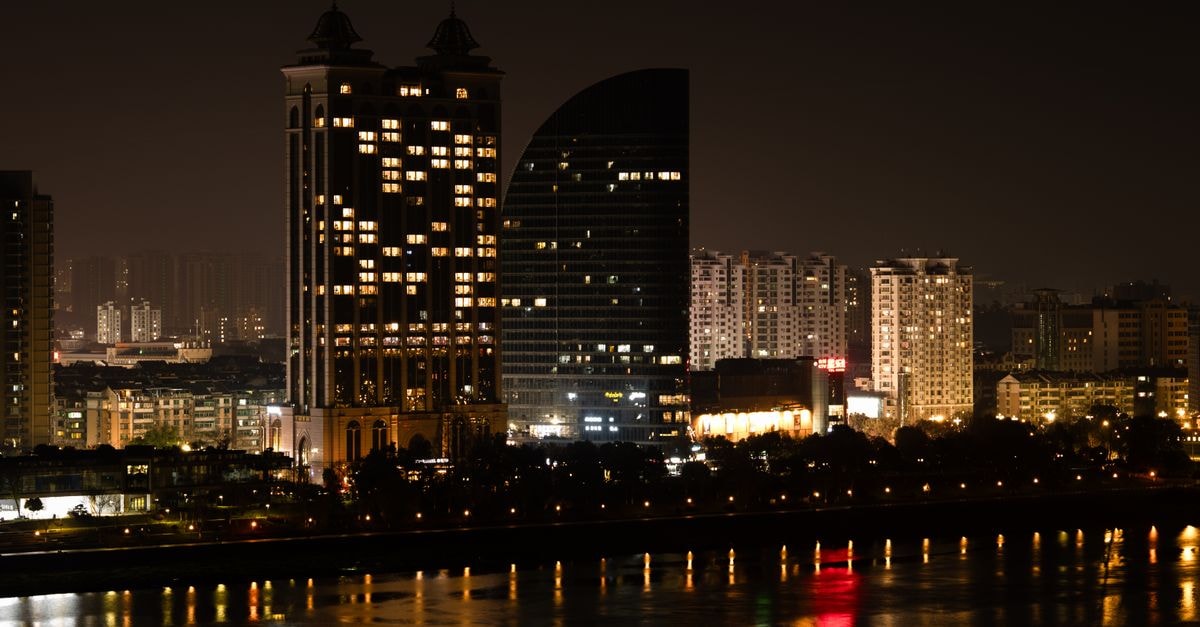
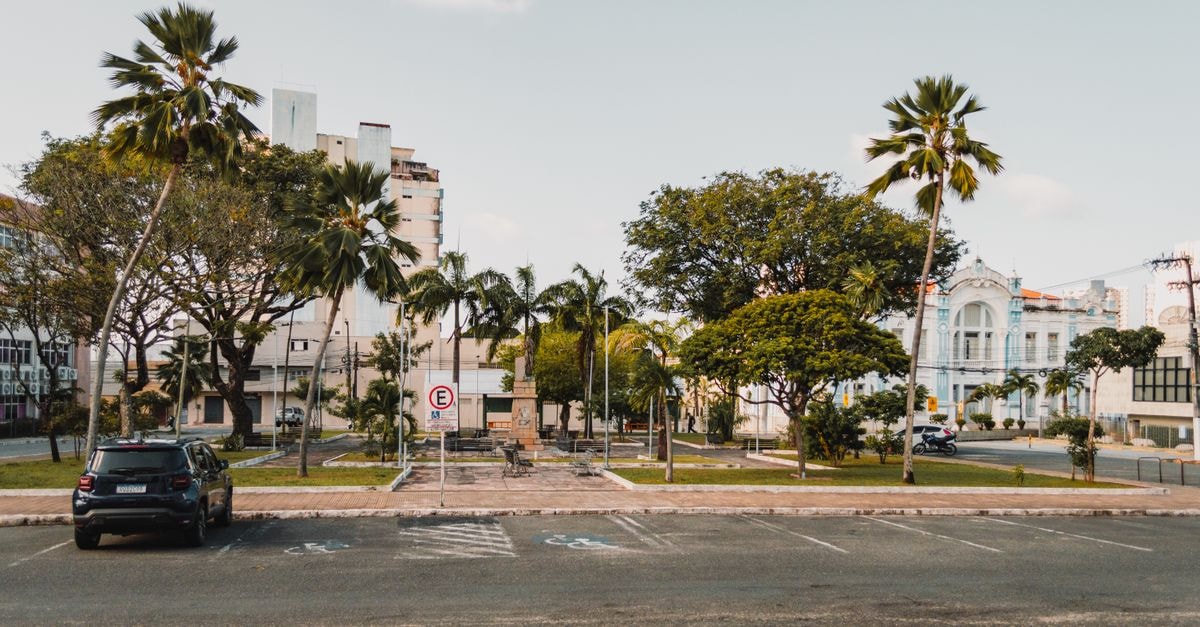
Macas sits in the Morona-Santiago Province of Ecuador, serving as the provincial capital. The city spreads across hilly terrain that overlooks an Andean basin, and it is surrounded by thick forest and a green landscape that gives the whole place a quiet, layered feel. Hills, distant ridges and pockets of dense vegetation frame the streets, so the experience of arriving in Macas is shaped as much by its natural setting as by anything built within it. For travelers who like places where the surrounding landscape stays visibly present, that geography is the first thing to register.
Because Macas sits within a wider Ecuadorian cultural context, visitors quickly notice the meeting of traditions that runs through the country as a whole. Even a short stay tends to surface small cultural details that reflect how regional identity is expressed in everyday life.
Weather and seasonal context
There is no direct, month-specific weather reading for Macas in the approved evidence, so this guide stays focused on what is durably true about the setting rather than on a forecast. The most reliable anchor is the landscape itself: the city spreads across hilly terrain overlooking the Andean basin, and it is surrounded by thick forest and green landscape.
For travelers, that translates into a few evergreen impressions worth preparing for. A hilly basin city tends to mean uneven streets, short climbs between viewpoints, and occasional fog or low cloud rolling in from the surrounding forest, especially in the cooler parts of the day. Because the vegetation stays thick year-round, humid conditions can feel common, and pacing the day with breaks in shaded spots often suits the terrain better than a tightly packed schedule.
Rather than chasing a specific weather window, the practical approach in Macas is to plan around the rhythm of the landscape: lighter, flexible activity blocks in the morning when the air often feels freshest, and a slower afternoon once the day warms and the basin settles into its usual haze. Layered clothing is useful because the elevation and forest setting can shift the feel of the temperature between sun and shade, and between morning and evening.
Getting around and into the city
The approved evidence notes that reaching Macas from Puerto Morona is not a one-option journey. The route is listed with three available modes (bus, car, or taxi), and travelers are directed to a Rome2Rio travel planner to compare ticket prices and travel times step by step. Because the city spreads across hilly terrain overlooking the Andean basin, any road approach already gives travelers a sense of the topography before they arrive, and once in town that same hilly layout tends to shape how easy it is to walk between points.
A few practical notes follow from this evidence. First, the listed modes (bus, car, or taxi) suggest that reaching Macas from Puerto Morona is a real trade-off between cost, comfort and time, and the Rome2Rio planner is the tool the approved evidence points to for weighing those choices. Second, taxi as a listed option for the Puerto Morona to Macas route is a reminder that taxis also tend to be a relevant mode within and around the city itself for short trips, steeper climbs, or evening moves when walking feels less appealing. Third, because the cited figures in the source are truncated reference values rather than complete, evergreen-verified fares or drive times, this guide treats them as starting points only. Travelers should confirm current prices and schedules through the Rome2Rio planner or a local source before committing to a route, since bus costs and durations in Ecuador can shift.
Within Macas, the same evidence logic applies: without city-specific transit data, the guide does not invent bus routes, schedules or fares. Travelers should look up current local options closer to their trip.
Food and local context
The approved evidence for food and culture is country-scoped rather than city-scoped, so what follows is wider Ecuadorian context that visitors are likely to encounter while spending time in Macas, framed honestly as national context rather than a Macas-specific menu.
Food in Ecuador is also described as a form of memory: a reminder that cuisine can be one of the most eloquent storytellers a culture has. For travelers, that framing matters because it sets the right expectation. Meals here are less about chasing a single famous dish and more about noticing the regional accents that show up in everyday cooking, from the ingredients on the plate to the way a meal is shared. That said, Ecuadorian identity also shows up in small, easily-missed cultural details: the sound of a Kichwa lullaby sung over a Spanish waltz, the way Andean ponchos share space with coastal marimba drums, or the different words people use for the same cup of coffee depending on where they are. Paying attention to those touches during a trip often says more about a place than any single signature dish.
Because this guide is built only on approved evidence, it does not rank restaurants in Macas, name specific markets, list menu items, or quote dish prices. Instead, the honest framing is this: visitors should expect to encounter the broader Ecuadorian food culture in Macas, shaped by the same blend of Indigenous, Andean and coastal influences that defines the country's everyday table, and they should treat any specific dining recommendation, price or opening time as something to verify on the ground rather than something a pre-trip guide can lock in.
Planning notes and verification
A few evergreen principles follow from the evidence available for Macas.
The terrain is the trip's quiet anchor. A city that spreads across hilly terrain overlooking the Andean basin, surrounded by thick forest, rewards travelers who build in flexibility. Tight schedules tend to fight the geography; loose ones tend to feel natural.
Transport decisions are best made with live tools. For the Puerto Morona to Macas corridor, the three listed modes (bus, car, or taxi) each suit different travelers, and the Rome2Rio travel planner is the comparison tool the approved evidence points to. Because the source's bus and drive figures are truncated reference values rather than complete, citable fares or durations, they should be confirmed through that planner or a local source before departure, since prices and durations can change.
Food expectations should stay broad. The country-scoped evidence points to a rich, layered Ecuadorian food culture rather than to specific Macas dishes or venues, so travelers will get more from the experience by treating meals as a way to read regional identity than by hunting for a fixed checklist of plates.
Finally, a reminder that travel conditions shift. Roads, schedules, prices and on-the-ground services in and around Macas can change, and official channels or current local sources should always be checked before departure. Treat the modes in this guide as a starting point for planning, not as a live confirmation of what you will find on the day you travel.
Share this article
TOOLS FOR THIS PLAN
Make the Macas plan measurable
Choose a tool only when it answers the next question in your trip. Your values stay in the browser, and each tool offers a route back to this planning context.