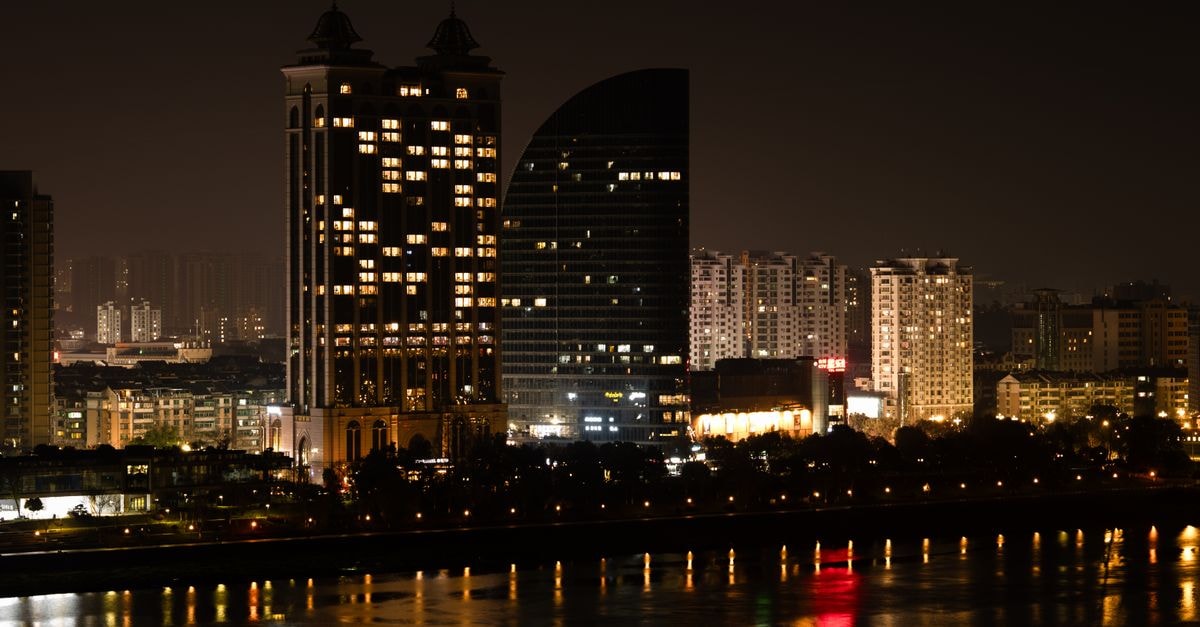
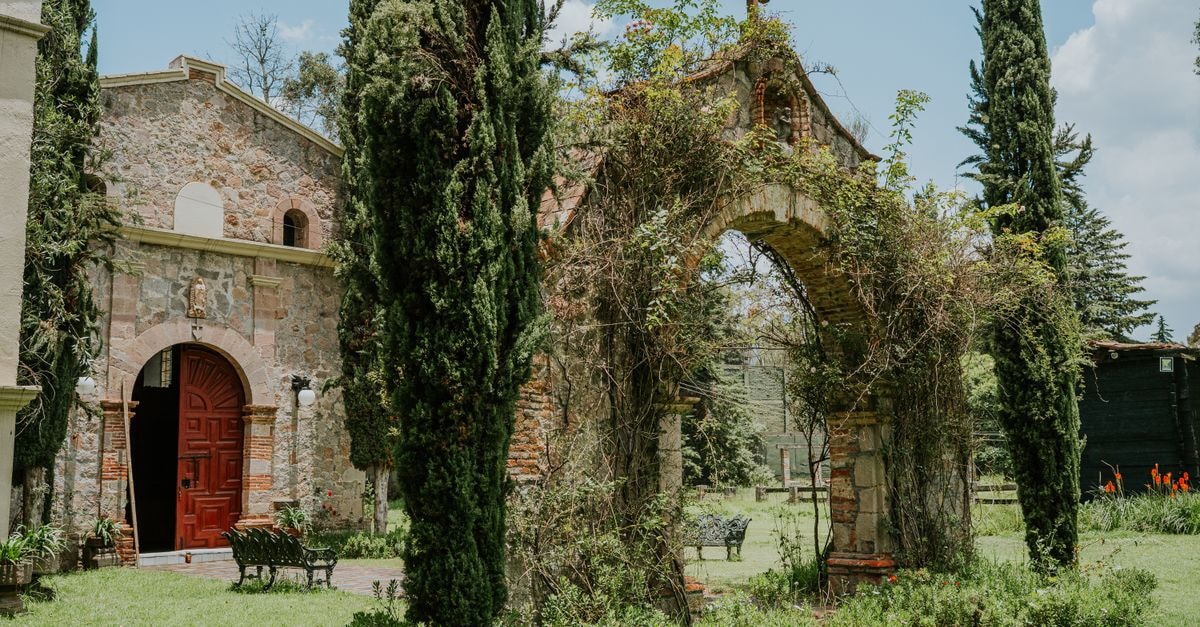
A gentle introduction to Portoviejo

Some cities announce themselves through skylines or famous monuments. Portoviejo, in the Manabí province on Ecuador's Pacific coast, prefers a quieter introduction. You feel it first at the table, where recipes passed down through Montubio families become the city's most expressive welcome, and then in the slow rhythm of afternoons that give way to soft, golden evenings.
This guide is written for travellers who like their trips seasoned with story and flavour rather than a packed checklist. If you are the kind of visitor who would rather linger over a long lunch, listen to the local music drifting from a courtyard, and let the city teach you what it loves, Portoviejo rewards that patience generously.
Weather and seasonal context
Portoviejo sits in a coastal lowland region where the heat of the day has a real, tangible weight. Locals will often tell you that afternoons can feel quite warm, and the smartest way to enjoy the city is to lean into that reality rather than fight it. Slow down in the middle of the day, find shade, and save your outdoor wandering for the hours when the air begins to soften.
That advice comes beautifully together at **Parque La Rotonda**, the leafy urban park that locals particularly enjoy in the early evening, when the temperatures dip and the city exhales after the warmth of the day. It is the kind of place where families gather, couples stroll, and visitors can absorb everyday Manabí life without rushing. Bringing water, wearing light fabrics, and treating the afternoon as a pause rather than a programme will help you feel less like a tourist chasing a checklist and more like a guest settling into the city's natural rhythm.
Because evergreen guidance avoids tying this advice to a specific month or season, think of the city's climate as a backdrop to plan around, not a forecast to memorise. A typical day rewards those who respect the heat of the afternoon and save their most curious wandering for cooler hours.
Food and local context
It is impossible to talk about Portoviejo without talking about food, and that is exactly how the city likes it. Portoviejo stands out as the culinary heart of Manabí, Ecuador, and holds a place in the international Food Capitals network, a recognition that puts it in conversation with cities known globally for the depth of their food culture.
The city's proudest title came in the form of UNESCO recognition as Ecuador's first UNESCO Creative City of Gastronomy. That honour reflects a food scene that is deeply rooted in ancestral Montubio traditions, the rural, hardworking culture of the Manabí countryside, while at the same time actively shaping a modern culinary identity. In practical terms, this means you can walk into a modest family kitchen or a contemporary restaurant and find the same sense of heritage expressed in different ways.
Visitors who want to experience the city authentically should not leave without exploring its signature peanut-based dishes. Peanuts appear in stews, sauces, and traditional plates across Manabí, and in Portoviejo they reach a particular level of refinement. Order them wherever you see them on a menu, ask locals which preparation they recommend, and treat the experience as a window into a regional identity that takes pride in its ingredients.
A wider Ecuadorian frame
To understand Portoviejo's food story, it helps to zoom out to the wider Ecuadorian context that surrounds it. Ecuadorian cuisine is frequently framed across the country as a form of memory made edible, a way that history, geography, and family pass from one generation to the next at the table. Nationally, Ecuador's cultural identity shows up in small details: the sound of a Kichwa lullaby sung over a Spanish waltz, Andean ponchos alongside coastal marimba rhythms, and the different words people use for the same cup of coffee depending on where in Ecuador they happen to be.
These broader national threads form a kind of background music to your visit, a texture drawn from across Ecuador that gives regional cooking, including Portoviejo's, a wider cultural resonance. Treat them as context for what you taste at the table, the kind of framing that makes a meal feel meaningful rather than merely filling.
How to approach the city like a local
Portoviejo rewards a particular kind of traveller: the one who arrives curious, eats slowly, and lets the city's reputation for hospitality do most of the work. Rather than racing through a list of must-sees, consider building your days around three simple anchors: a long, relaxed meal that features peanut-based dishes; a meandering afternoon with shade, conversation, and rest; and an early evening visit to Parque La Rotonda, where the city's everyday life comes into focus.
Listen more than you speak. Ask servers and shopkeepers what they love about their own food traditions. Try dishes you cannot pronounce and let the flavours introduce themselves. Portoviejo is a city whose pride is rooted in its kitchens, and visitors who honour that pride by paying real attention tend to leave with the warmest memories.
Practical notes before you go
Because travel conditions can shift over time, treat every practical detail as worth a final check before departure. Confirm restaurant hours, transport options, and any local guidance through official channels as your trip approaches, and keep your plans flexible enough to follow a local recommendation when one appears. Currency exchange rates move daily, so treat any reference figures as starting points rather than fixed values, and verify the live rate before exchanging money.
A little preparation goes a long way. Bring a refillable water bottle, light clothing suited to a warm climate, comfortable shoes for evening strolls, and a willingness to let your itinerary breathe. Portoviejo is the kind of city that gives back what you bring to it: attention, curiosity, and an appetite for something you may not have tasted before.
---
A short verification note for readers: the guidance above is built around widely reported facts about Portoviejo's food identity, its UNESCO Creative City of Gastronomy status, and its warm coastal climate. Travel conditions evolve, so please confirm current details through official sources before your trip, and enjoy the privilege of discovering this special Ecuadorian city at your own pace.
Share this article
TOOLS FOR THIS PLAN
Make the Portoviejo plan measurable
Choose a tool only when it answers the next question in your trip. Your values stay in the browser, and each tool offers a route back to this planning context.