An open welcome in the heart of Spain

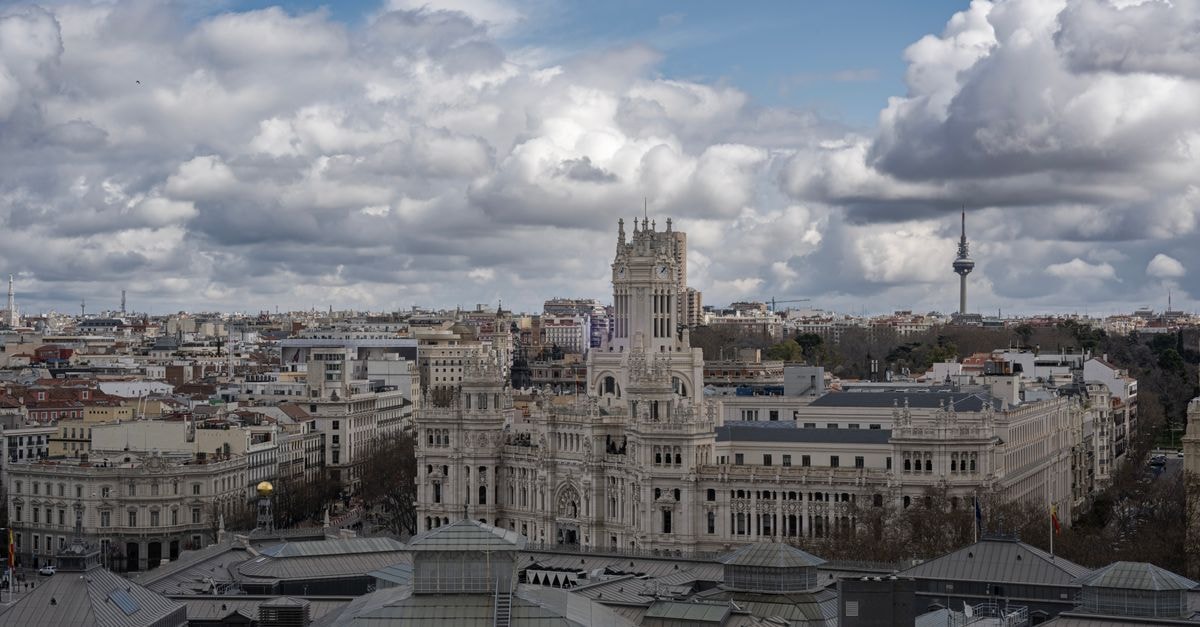
Madrid has a way of unfolding slowly, even when you arrive without a fixed plan. The city is famously described as an open place full of people from anywhere in the world, cheerful and vibrant at all hours, and that everyday sociability shapes how visitors tend to experience it.
For travelers who like a destination with outdoor breathing room and a long daily rhythm, the Spanish capital offers a gentle entry point. Two practical themes tend to matter most when planning a first visit: what the weather generally feels like across the year, and how the city's outdoor spaces invite you to slow down between sights.
Weather and seasonal context
Madrid sits firmly inland, on the high central plateau of Spain, and its climate reads as a study in contrast. The annual range between the warmest and coolest days is wide, and that swing is part of what makes the city feel so different from one part of the year to the next. For reference, Madrid Region temperatures are documented at a maximum of 37ºC and a minimum of 21ºC, illustrating the kind of heat that the city can reach.
Because the temperature range is so wide, the pace of a day in Madrid often shifts with the calendar. Long-term climate patterns suggest that summer days can feel especially warm, while autumn marks the point where the end of summer gives way to a season that fills the city with countless places to visit and things to do. That seasonal transition is less about a single event and more about the general feel of the air, the length of the evenings, and the way locals return to more outdoor routines after the hottest stretch.
A practical note for any traveler: rather than planning around a specific weekly forecast, it helps to plan around the rhythm of the day itself. Evenings tend to be when the city's outdoor spaces come most alive, and midday in the warmer parts of the year is often the moment to step into a shaded courtyard, a museum, or a long lunch rather than push through a heavy walking itinerary. Pacing the day around comfort, rather than ticking off a checklist, suits Madrid's climate well.
If you prefer milder walking conditions, the shoulder months around the seasonal transition tend to be a comfortable middle ground, when the city is described as full of places to visit without the heavier heat of midsummer. Travelers sensitive to heat may want to schedule the most demanding outdoor stretches for early morning or late afternoon.
Getting around and outdoor rhythms
Madrid's identity is closely tied to its outdoor social life, and understanding a few of those spaces helps anchor a visit. The city's terraces are a long-standing part of how residents spend their evenings, a charming way to live like a local and ease into the Spanish habit of unhurried outdoor sitting. For visitors, that translates into a practical suggestion: build time into the day for simply sitting outside, watching the street, and letting the city's rhythm set the pace.
Beyond the terraces, Madrid Río offers a different kind of outdoor anchor. It is a green area set on the banks of the Manzanares, designed for outdoor activities and easy movement. Because it sits along a river corridor, it works well as a low-effort way to spend an hour or two between denser parts of the itinerary, especially for travelers who like to balance sightseeing with a walk, a run, or simply a stretch of greenery.
For visitors who prefer not to chain together a strict schedule of indoor sights, the combination of central terraces and the Madrid Río green corridor offers a natural way to structure time in the city. Consider using one of them as a soft start or a wind-down to a longer day, rather than treating them as a stop on a tight route. If you enjoy watching how a city lives between its famous sights, these outdoor spaces are where that everyday Madrid tends to show itself most clearly.
Choosing what fits your trip
With only a handful of well-supported themes to work from, the most useful planning choice is honestly about pacing. Travelers who want a quieter, slower rhythm may want to lean into the outdoor side of the city: an evening on a terrace, a long stroll along Madrid Río, and lighter midday commitments. Travelers who prefer a denser sightseeing day can still anchor it with one outdoor pause, using the river corridor or a terrace as a reset between museums or central neighborhoods. Because the documented climate range is wide, anyone planning around personal heat tolerance should think in terms of when in the day they walk, rather than which season they pick.
A short verification note before you go
The general climate notes and outdoor spaces described here are drawn from the city's own tourism framing and are intended as durable context rather than a live forecast. Before traveling, it is worth checking current conditions, opening details, and any local guidance through official channels, since factual travel conditions can change over time.
Share this article
TOOLS FOR THIS PLAN
Make the Madrid plan measurable
Choose a tool only when it answers the next question in your trip. Your values stay in the browser, and each tool offers a route back to this planning context.