A compact riverside pause between bigger Polish cities

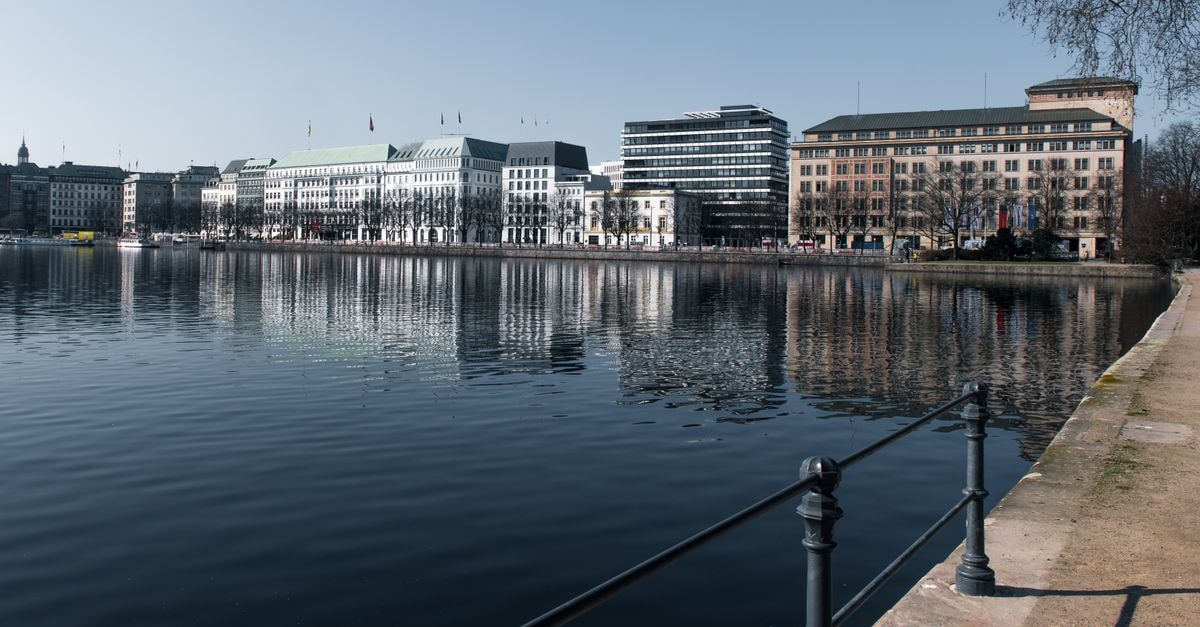
Set on the Oder River in the Opole Voivodeship of south-western Poland, this compact city has a quiet, small-town rhythm that catches travelers off guard in the best way. Many visitors assume it is just a forgettable stop between Wrocław and Katowice, yet the canal-lined streets, leafy islands and unhurried pace tend to win people over once they step out for a walk. The advantage of the size is that almost everything feels close, so planning tends to feel less like logistics and more like wandering.
Getting around on foot, by bike and through the city
Because the Old Town is compact and the main sights cluster around the river and canal, walking is the natural starting point for any visit. A canal-side stroll is a popular way to read the city at your own tempo, and a zoo on Bolko Island gives the river route a green, leafy finish for those who want to keep walking rather than jump straight to public transport. The city also has a tradition of celebrating alternative and ecological ways of moving through its streets, so cyclists tend to feel welcome here, with events that promote a different perspective on familiar streets.
Attractions and cultural programming
Opole's cultural rhythm shows up clearly in its event calendar, where exhibitions and fairs rotate through the year. Visitors can expect to find rotating shows at the municipal education-support centre and its gallery space, including temporary exhibitions that give the city a changing edge between visits. One named example from recent programming is a temporary exhibition titled "Fajanse śląskie XVIII i XIX wieku," which offers a focused look at Silesian faience from the eighteenth and nineteenth centuries, a nice fit for travelers interested in regional craft history.
Beyond the exhibition halls, the combination of the Old Town walk and the zoo on Bolko Island tends to anchor most first visits, with the canal tying the two together at a gentle pace. For travelers who like their sightseeing with a dose of culture woven through the week, mixing a slow morning walk with one timed gallery stop is an easy rhythm to settle into here. If you prefer to keep the day flexible, treat the cultural calendar as a way to choose between an indoor afternoon in a gallery and an outdoor hour along the canal.
Choosing what fits your trip
Opole rewards travelers who like a slow pace more than a packed checklist. If your priority is a calm walking city with easy access to nature along the Oder, the Old Town canal route and Bolko Island tend to cover a satisfying day without rushing. If culture is the main draw, anchoring your visit around a named exhibition or the city's cycling week can add a sense of occasion to an otherwise quiet stay. The honest trade-off is that Opole is not a place built around headline sights, so the win comes from leaning into the small-scale rhythm rather than chasing a checklist.
A quick note on what to verify before you go
Treat the cultural calendar as a starting point and check the official city event listings closer to your trip, so any exhibition dates, cycling-week programming and gallery opening hours match your plans. Local transport, museum hours and event schedules are best confirmed through official channels before departure.
One detail worth checking ahead of time is whether the temporary exhibition you want to see is still running, since rotating shows in Polish city galleries can change over a matter of months.
Share this article
TOOLS FOR THIS PLAN
Make the Opole plan measurable
Choose a tool only when it answers the next question in your trip. Your values stay in the browser, and each tool offers a route back to this planning context.