A small Pacific capital with a long horizon

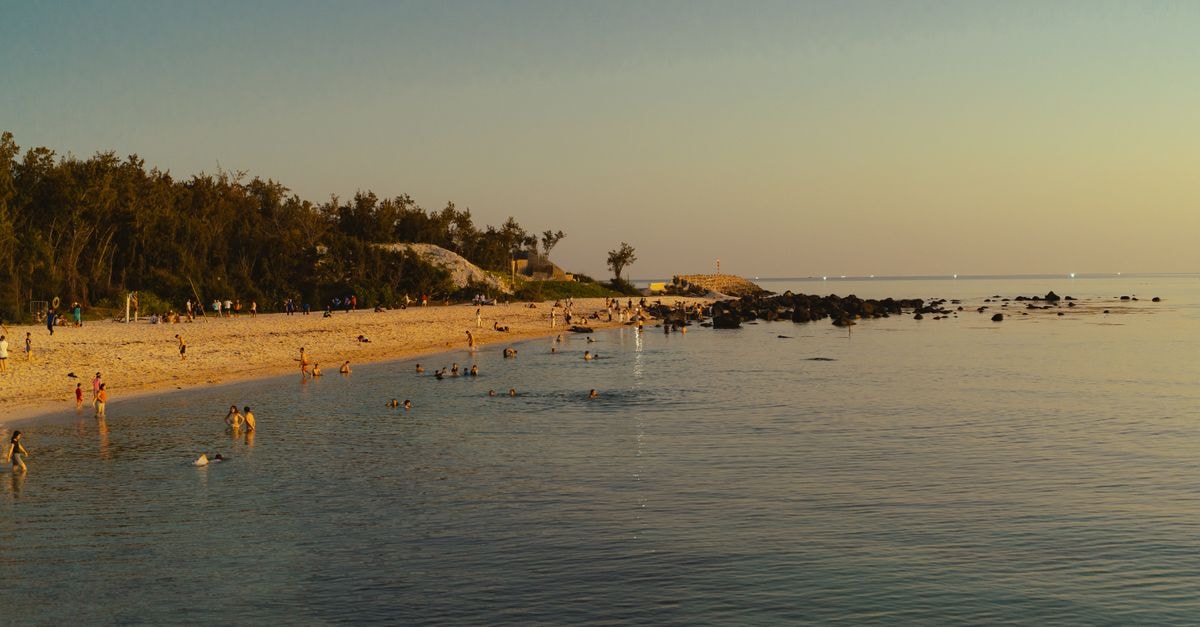
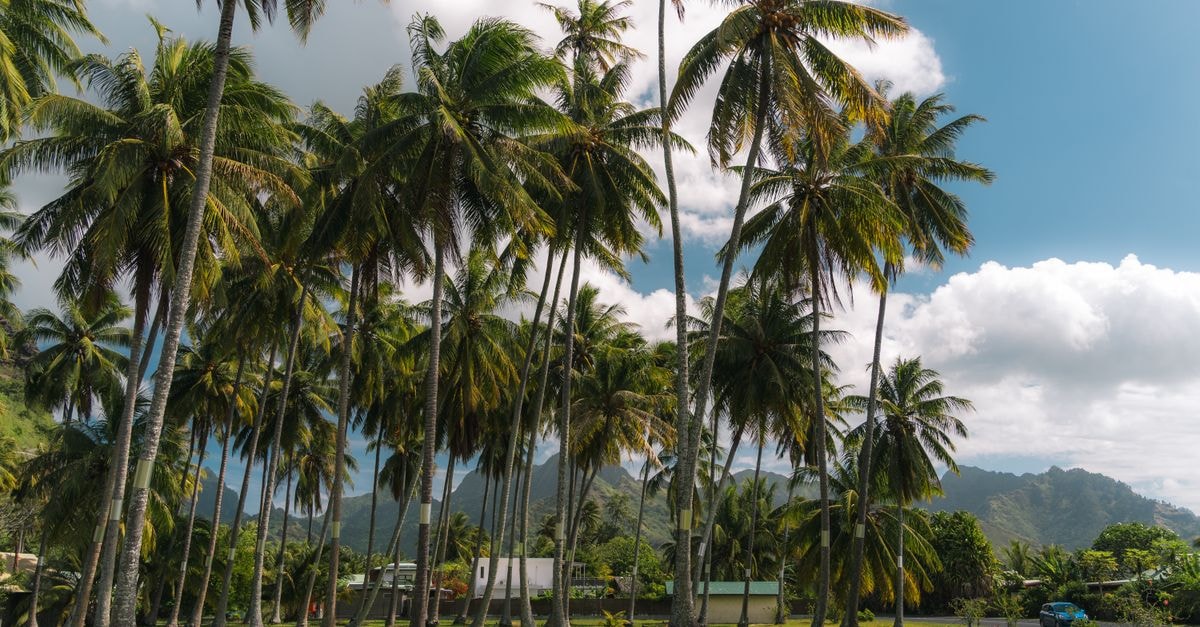
Majuro is the kind of place that asks you to slow down before you have even unpacked. Set on a narrow ribbon of land in the Marshall Islands, the capital of Majuro Atoll curves along the water with the deep Pacific on one side and a sheltered lagoon on the other. The rhythm here is unhurried, and the visual signature is simple and powerful: that line where ocean blue meets turquoise shallows. If you are looking for a city break filled with museums, dense neighbourhoods, and back-to-back sightseeing slots, Majuro is not that. What it offers instead is the rare pleasure of being somewhere genuinely off the main tourist circuit, with the kind of light and colour that makes a short trip feel like a real reset.
This guide keeps things grounded. There is no checklist of must-see landmarks here, because the evidence base for Majuro is light and the city is best approached with flexibility. What follows is a compact, honest look at how to arrive and what kind of environment you are arriving into.
Getting around
The main port of entry for Majuro is Amata Kabua International Airport, which sits on Majuro Atoll itself. That single detail does a lot of the logistical work for your trip: once you have landed, you are already in the capital, and the atoll is small and compact rather than spread across multiple islands. There is no need to arrange an onward domestic flight or a long transfer just to reach your hotel.
Within Majuro, the practical reality is that distances are short, and the island is narrow enough that most of what you need is reachable with simple local transport. Visitors tend to plan a relaxed stay rather than a tightly scheduled one, which suits the pace of the atoll. Embracing that rhythm is part of the experience.
If you are looking at package options, vacation packages tend to bundle the essentials so that the practical side of the trip is handled before you arrive. That can free up energy for the simple pleasures of the place: the view from Majuro Bridge, the sense of water on both sides of the road, and the unhurried feel of a Pacific capital. The city is also a useful jumping-off point for any curiosity about nearby atolls and islands, though this guide deliberately keeps its focus on Majuro itself.
Weather and seasonal context
Majuro sits in the open Pacific, and the visual reward of a visit is the colour of the water. The deep ocean blue meets the turquoise of the lagoon in shades that shift through the day, and even a short stay gives you plenty of time to watch that line from different vantage points along the coast. Light tropical clothing, sun protection, and a willingness to step out of the midday heat are sensible defaults; the sun is strong, shade can be limited near the waterfront, and the breeze off the lagoon is one of the great pleasures of the place.
Rain is part of life anywhere in the central Pacific, so a light waterproof layer is worth packing even on a clear-weather visit. The lagoon side tends to feel calmer and more sheltered than the ocean-facing shore, which is worth keeping in mind when you choose where to walk or swim. Because Majuro is so compact, you can often adjust your day around the weather rather than working around it: a heavy shower is rarely more than a short pause before the sun returns and the colours come back.
The pace of the day here is shaped by heat and humidity as much as by any schedule. Mornings are generous, the middle of the day can feel heavy, and late afternoons and evenings are often the most comfortable time to be out and about. Letting your day follow that arc is a more honest way to experience Majuro than fighting it with a packed timetable.
Food and everyday flavour
In Majuro, coconut runs through the kitchen. Fresh, coconut-infused cuisine is part of the everyday flavour profile you may encounter while in Majuro, and it shows up in simple rather than fussy ways: grated into dishes, pressed for milk, served alongside fish, or enjoyed on its own as a cooling break from the heat. Visitors to Majuro will come across this style of cooking in everyday settings rather than in a single signature restaurant, so the best approach is to be open and curious at whatever place you find yourself in.
Beyond coconut, the local food culture leans on fish, tropical fruit, and the kind of straightforward, generous hospitality that Pacific islands are known for. Eating well in Majuro is less about hunting down a specific venue and more about letting the day unfold. Ask locally, accept recommendations, and you will tend to eat well.
How to approach your stay
Majuro rewards a lighter plan. Rather than building a strict daily schedule, think of a few anchors: arrival at Amata Kabua International Airport, a slow walk along the coast, the view from Majuro Bridge, and time set aside for simply sitting near the lagoon. Everything else can be filled in as you go, with room for the kind of unplanned moments that make a small Pacific capital memorable.
If your curiosity extends to other atolls in the Marshall Islands, that is worth researching separately, because the logistics and travel realities of moving beyond Majuro are different from getting around the atoll itself. This guide stays focused on Majuro as a destination in its own right.
A short note on verification
Travel conditions, flight schedules, services, and local availability can change. Use this guide as a starting point for your planning, and confirm practical details through official channels and your accommodation before you travel. Rates, opening hours, and transport options in a small Pacific capital are best checked close to your departure date rather than relied on as fixed facts.
*Verification note: Practical travel details such as flights, services, prices, and local availability should be confirmed with official sources before departure, as conditions can change.*
Share this article
TOOLS FOR THIS PLAN
Make the Majuro plan measurable
Choose a tool only when it answers the next question in your trip. Your values stay in the browser, and each tool offers a route back to this planning context.