A first impression of Malabo

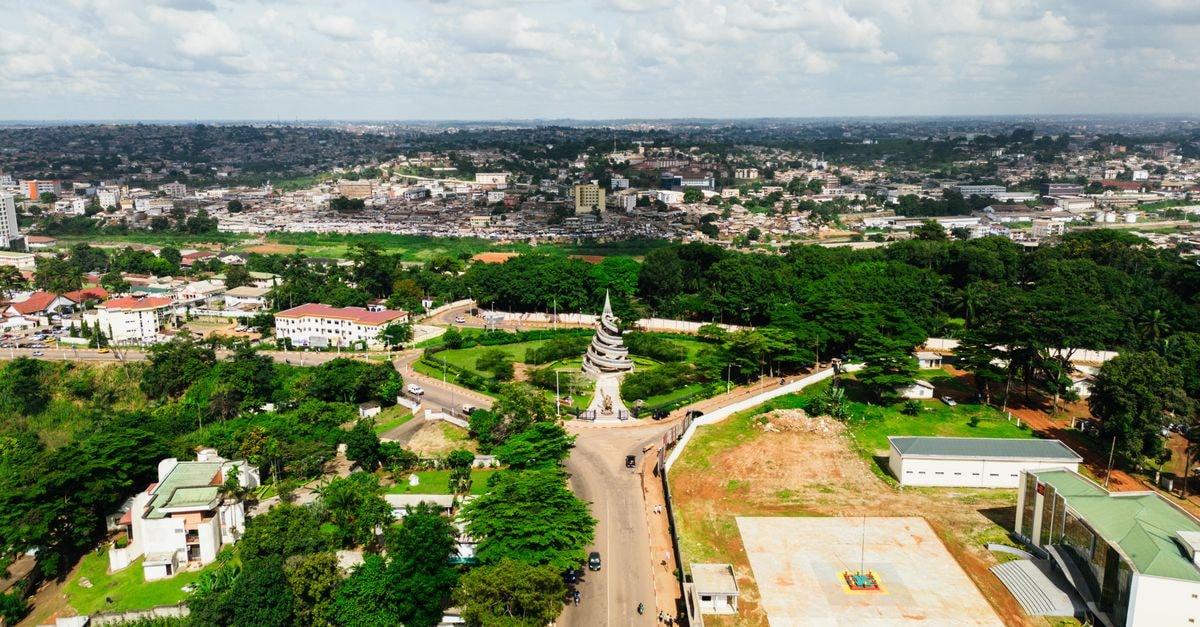
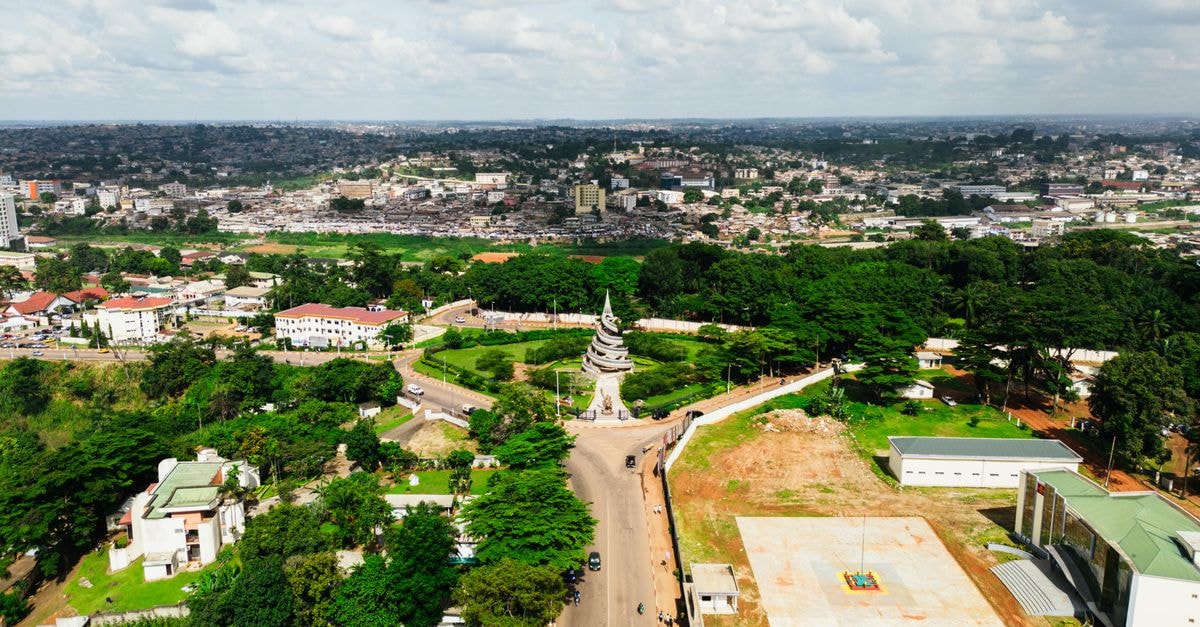
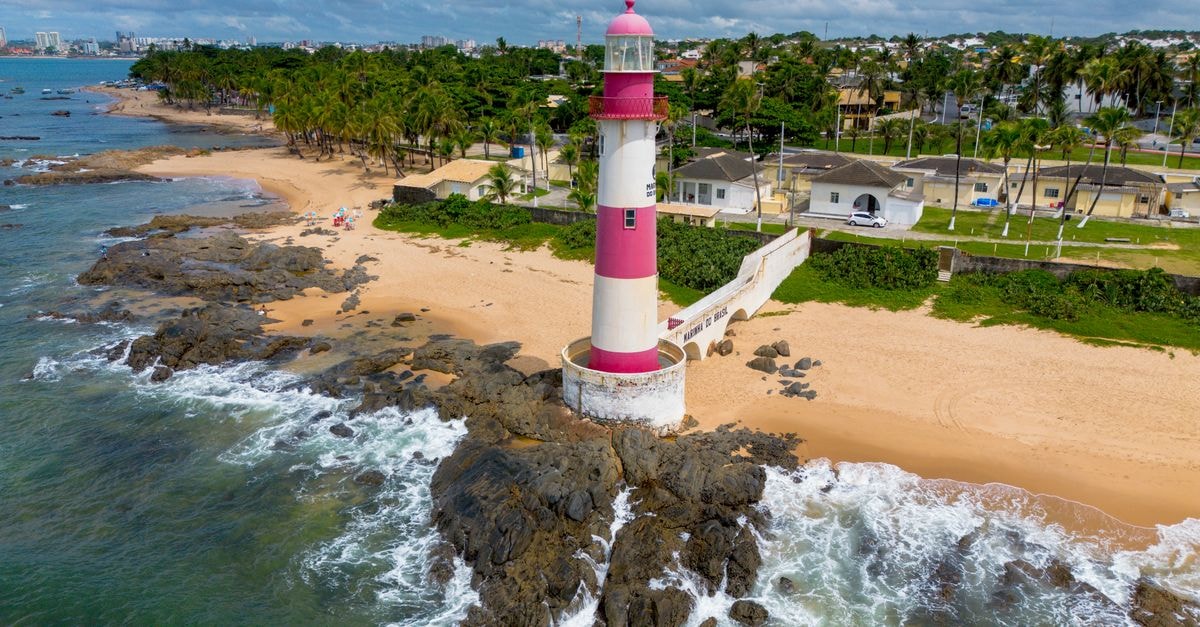
There is something quietly cinematic about arriving in Malabo. The city is the historic urban heart of Equatorial Guinea's island region, set with the Atlantic stretching out along its seafront (F4-1). It carries the layered feel of a place where colonial architecture, tropical climate and West African daily life all sit comfortably on the same street. The capital may have been officially relocated elsewhere on the mainland, yet Malabo continues to function as the main gateway to Bioko Island and remains the cultural centre that many travellers encounter first (F4-1, F5-2).
For independent travellers who like a destination that hasn't been polished into a tourist product, Malabo offers exactly that kind of texture. The pace is unhurried, the Spanish and West African influences blend into everyday life, and the food scene tells the story of that fusion in a way no museum could.
Weather and seasonal context
Malabo sits in a tropical climate zone, and the weather here is one of those travel details that quietly shapes the rhythm of a trip. Historical weather data for the city is drawn from the ECMWF ERA5 reanalysis, which is a useful reference for the kind of conditions a visitor can typically expect (F1-2). The equatorial location means warmth, humidity and the possibility of a passing shower are part of the everyday picture year-round, rather than anything tied to a single dramatic wet or dry season.
Because of that climate, the practical advice is less about picking a perfect month and more about how to pace a day. Lightweight clothing, a small umbrella or rain jacket, and a willingness to duck into a café when a downpour rolls in are usually more useful than any detailed weather chart. Travellers who find heavy humidity draining often find that mornings and early evenings are the most comfortable times to be out walking, while the middle of the day is a gentle invitation to slow down, eat well, and let the city move around you.
Getting around
Arriving in Malabo is usually by air, and the airport sits close enough to the city that the transfer does not need to be a complicated planning exercise. There are reliable airport transfer services in Malabo that connect the airport to hotels and the main seafront areas, designed to make the start of a trip as smooth as possible (F3-1). Booking a transfer in advance is a sensible move for first-time visitors, particularly because the city is not a place where you can rely on the kind of familiar ride-hailing ecosystem found in larger capitals.
Once you are settled, the city itself is compact enough to explore on foot in the central districts, especially along the seafront promenade. Taxis and arranged drivers tend to be the default option for longer hops across town, and many of the key sights cluster within a small radius. Pacing is part of the experience here; the distances are modest, but the humidity can make a short walk feel longer than it looks on the map.
Attractions and planning
Malabo's identity is closely tied to its island setting, and the city reads as the urban anchor of that island landscape (F5-2). The seafront remains a defining feature, with the Paseo Marítimo functioning both as a place to stroll and as a social gathering point where the city comes together at the end of the day (F7-1). It is one of those rare urban features that feels equally welcoming to a casual wanderer and someone planning a longer stay.
Beyond the seafront, two nearby experiences often appear on visitor lists. The Chinese-built Malabo National Park is described as a large botanical garden and cultural park, offering a green counterpoint to the city centre and a chance to stretch the legs without leaving the urban area (F4-2). A little further afield, Finca Sampaka is a cacao plantation that connects visitors directly to one of Equatorial Guinea's signature agricultural products (F4-2). Both give a sense of how the island's natural and agricultural identity sits alongside its capital.
A practical note for planning: Malabo is best approached as a destination that rewards curiosity rather than a checklist. With only a handful of named sights in the central area, the experience tends to come from how you string things together, rather than from racing between headline attractions. Leave room for the Paseo Marítimo at different times of day, because the atmosphere shifts noticeably from a quiet morning to a busier evening.
Food and local context
Food is arguably the most rewarding way into Malabo's character. The capital of Equatorial Guinea carries Spain's colonial DNA in every dish, but it has been reassembled with West African ingredients and techniques until it becomes something entirely its own (F6-2). That description captures something essential: this is not Spanish food, and it is not West African food in a generic sense, but a layered local cuisine that reflects centuries of movement, trade and cultural blending.
For visitors who want to explore that fusion in a hands-on way, two settings consistently come up. The Paseo Marítimo is lined with an array of street vendors, offering a casual way to sample small plates and snacks while watching the city pass by (F7-1). Mercado de Malabo, the city's main market, is a livelier immersion into the local food world, with various street foods on offer and a market atmosphere that is as much about the people and conversations as it is about what is on the plate (F7-1). Eating your way through both gives a much fuller picture than any single restaurant visit.
Malabo's cuisines more broadly are described as a delightful fusion of traditions, reflecting the rich cultural heritage of Equatorial Guinea (F7-2). For travellers who enjoy destinations where the food tells the historical story, this is one of the city's most compelling features. Approach meals as an exploration rather than a transaction, ask locally about what is in season, and treat each plate as a small lesson in how the island's identity was built.
A final word before you go
Malabo is the kind of city that benefits from arriving with a flexible plan and a curious appetite. The seafront sets the pace, the market and the street vendors feed both stomach and imagination, and the compact centre makes it possible to settle in quickly without feeling overwhelmed. Keep your itinerary loose, give yourself time to sit with a coffee on the Paseo Marítimo, and let the food guide your understanding of the place rather than the other way around.
A short note on practical reality: travel conditions in any destination can shift, and the factual details in this guide reflect the approved source material available at the time of writing. Before you travel, it is always worth checking current travel advice, local conditions and any entry requirements through official channels, so that the trip you take matches the trip you planned.
Share this article
TOOLS FOR THIS PLAN
Make the Malabo plan measurable
Choose a tool only when it answers the next question in your trip. Your values stay in the browser, and each tool offers a route back to this planning context.