A first look at Bata

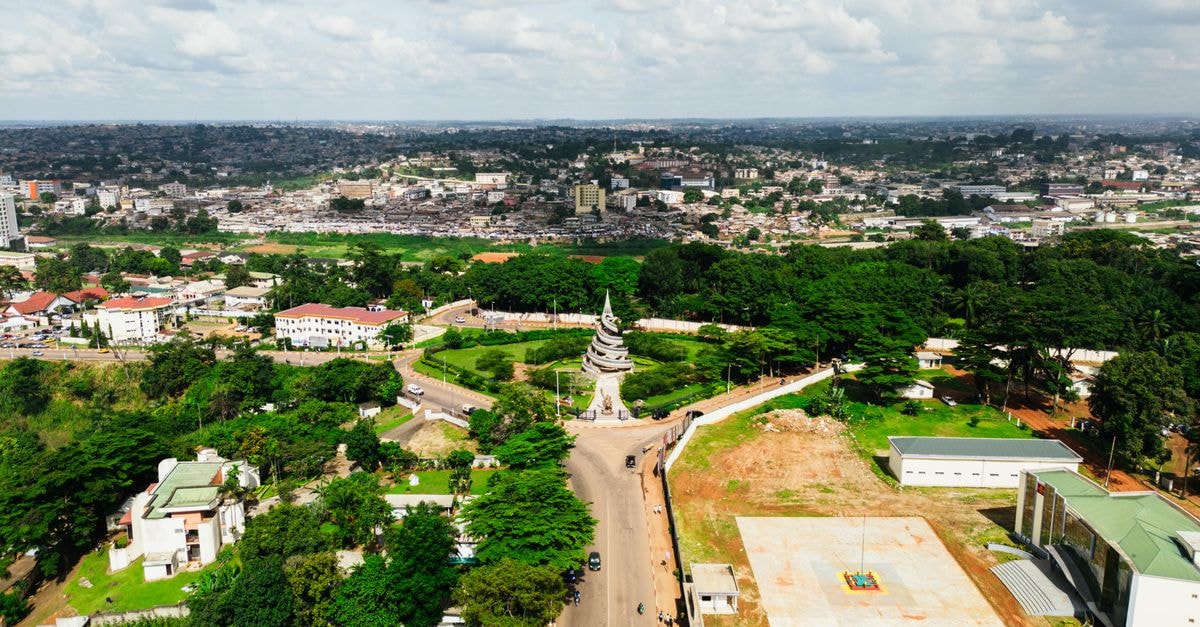
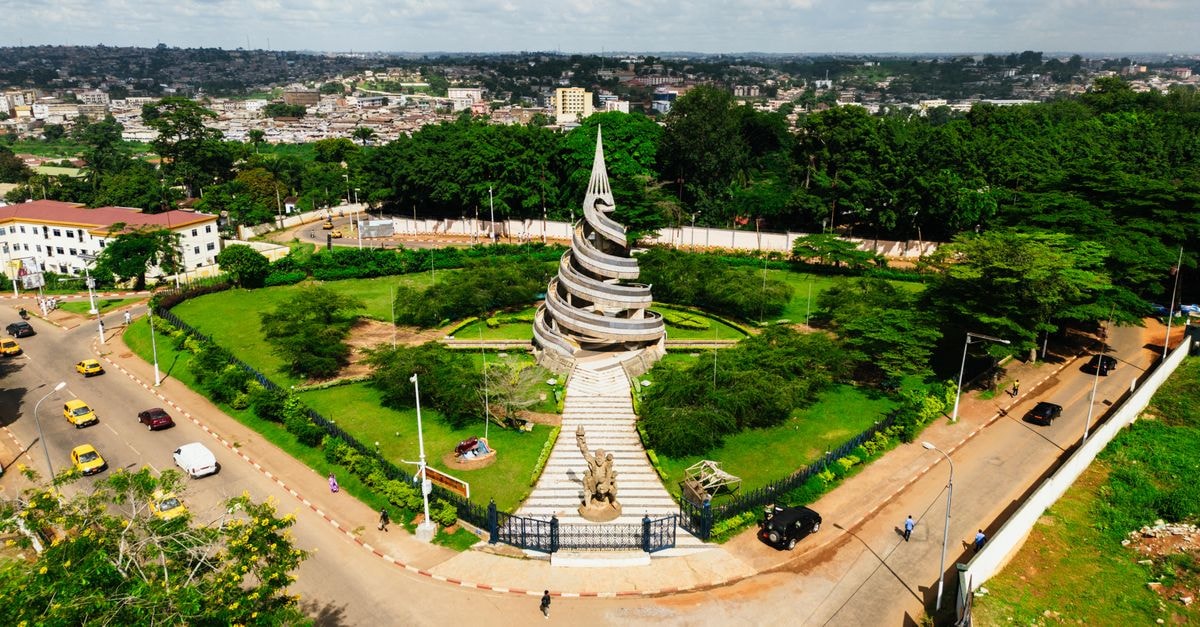
There's a particular kind of quiet anticipation that comes with planning a trip to a coastal African capital most guidebooks barely mention. Bata, the main city on the mainland of Equatorial Guinea and the capital of Litoral province, has exactly that kind of pull. It sits on the Atlantic shoreline of Río Muni, and that single fact already tells you a lot about the rhythm you can expect: warm air, the sound of water close by, and a city that faces the ocean rather than the interior.
If you are the sort of traveller who likes to arrive somewhere and simply feel the weather before doing anything else, Bata is generous. It is a low-elevation coastal city, and that geography shapes everything from the colour of the sky at dawn to the way an afternoon unfolds. Because the city is relatively compact and tied to its waterfront identity, the climate is part of the sightseeing, not a sidebar. You can build a thoughtful visit around the simple pleasure of being somewhere tropical, without rushing from landmark to landmark.
This guide keeps the focus tight and grounded: a clear-eyed look at the climate context you are stepping into, and the practical reality of how travellers actually arrive in Bata.
Weather and seasonal context
The climate of Bata is the kind of subject where a little understanding goes a long way. The city sits low above sea level and carries a tropical monsoon classification, which is a useful phrase to keep in your back pocket when packing. In plain terms, expect warmth year-round, high humidity, and the kind of lush, saturated light that coastal West-Central Africa is known for. Mornings can feel soft and slightly overcast, while afternoons tend to build in cloud and the possibility of a downpour.
Because Bata lies directly on the Atlantic coast of Río Muni, sea breezes tend to soften what would otherwise feel like heavy tropical heat. You will notice the difference between a still street and a block closer to the water, where the air moves more freely. Showers, when they arrive, often pass quickly, after which the city smells especially green and the light turns golden for a short window before evening.
A few practical rhythms help. Lightweight, quick-drying clothing makes sense, and so does the willingness to slow your pace when the humidity peaks. Rather than racing through a packed afternoon, it can feel more rewarding to plan a longer lunch, a slower walk, or a shaded pause, and then re-emerge when the air cools. This is not a city that rewards over-scheduling, and the climate is part of why.
If you are the kind of traveller who likes a defined weather anchor, think of Bata in three loose daily layers: a humid morning, a warm and possibly wet afternoon, and a milder evening along the coast. Treat those rhythms as gentle suggestions rather than guarantees, and your days in the city will feel much more natural.
Getting around
The airport also matters because of what it connects. It serves as a vital bridge between the mainland and the island capital of Malabo, which means a Bata trip can sit naturally inside a wider Equatorial Guinea itinerary rather than standing alone. Knowing that this connection exists is useful even if you have no plans to cross to the island: it shapes flight schedules, the rhythm of arrivals, and the general flow of people moving through the city.
Once you are on the ground in Bata, the city's identity as the main urban centre of Litoral province and of the broader Río Muni region quietly does a lot of work for you. Services, transport links, and the basic infrastructure a traveller depends on tend to cluster here, simply because the city plays that regional role. You will feel that concentration in small ways, from the variety of vehicles on the main roads to the density of activity along the central corridors.
For day-to-day movement, it helps to keep in mind that Bata is a coastal city, and coastal cities tend to organise themselves along a few predictable axes. The route between the airport and the waterfront, the stretch between the city centre and the beach, and the roads that connect out toward the rest of Litoral province are the ones worth familiarising yourself with early. Rather than memorising a map, pay attention to these lines on your first day and the city quickly starts to make sense.
A few practical notes before you go
A handful of small habits can make a Bata trip feel much smoother. First, build a little slack into your arrival day. Even in cities with efficient airports, the gap between landing, getting your bearings, and reaching your accommodation always eats more time than you expect, and that is especially true in a tropical climate where moving quickly between air-conditioned spaces and the heat takes a small toll on energy.
Second, treat the climate as part of the itinerary rather than an obstacle. Plan indoor or shaded moments for the middle of the day, and save the coastal walks, the longer explorations, and any time on foot for the cooler edges of the day. This kind of pacing tends to make even short stays feel richer, because you are matching your energy to the city instead of fighting it.
Third, keep your plans around the airport honest. Because Bata Airport functions as the main link between the mainland and Malabo, flight times can shift with the broader national schedule, so it is worth building in a comfortable buffer on either side of your travel days rather than chaining connections tightly.
Finally, give yourself permission to slow down. Bata is a city where the coastal setting, the warm climate, and the role it plays in the region combine into something that rewards presence over rushing. You do not need a packed schedule to have a meaningful visit. A few well-chosen rhythms, an openness to the tropical weather, and an understanding of how you arrived are often enough.
A note on travel conditions
Travel conditions change, and the details in this guide reflect what is generally true about Bata's climate, geography, and role as a transport hub at the time of writing. Air routes, airport operations, and on-the-ground logistics in Equatorial Guinea can shift, so it is always wise to confirm the latest information through your airline, your accommodation, and official channels before you depart. Treat this guide as a calm starting point for your own planning, and then verify the specifics that matter most to your trip.
Share this article
TOOLS FOR THIS PLAN
Make the Bata plan measurable
Choose a tool only when it answers the next question in your trip. Your values stay in the browser, and each tool offers a route back to this planning context.