Riverside orientation
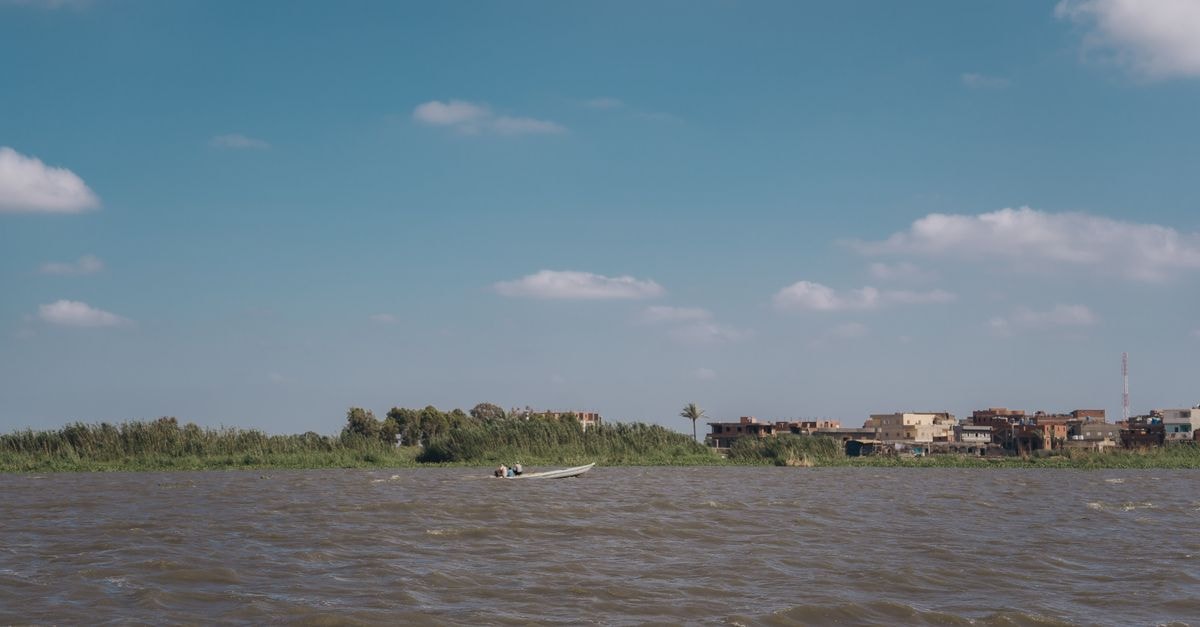
Malakal sits along the Upper Nile, the great waterway that gives this corner of South Sudan its rhythm and its name. The town unfolds between the river and the surrounding plains, and the simplest way to start any visit is to give yourself a slow look at that relationship between land and water. There is a sense here of a place shaped by the river over generations, and travellers who allow the geography to set the pace tend to settle into the city quickly. A traveler who enjoys unhurried, observation-style sightseeing may find this riverside setting genuinely rewarding, because the natural landmark does much of the storytelling without needing a packed schedule.
Weather and seasonal context
The climate around Malakal is consistently warm, and travellers planning hot-weather activities will find that the most comfortable stretch for outdoor plans runs from early November through mid-February, when sun and warmth combine most agreeably. Outside that window, heat still defines the days but feels more demanding, so consider pacing sightseeing around the cooler morning and late afternoon hours. The climate here rarely offers a cool reprieve, so light clothing, hydration and shade between the midday hours go a long way. Travelers who dislike intense midday heat may want to schedule their outdoor stops earlier or later in the day, when the river breeze can feel a touch gentler. There is no real cold season in Malakal, and rain is part of the yearly rhythm, so a compact rain layer is a sensible item to keep within reach.
Getting there and getting around
Most visitors arrive at Malakal Airport, a small gravel strip set roughly three kilometres west of the town itself. That short distance means you are effectively in the heart of the city not long after landing, which keeps the first day of a trip feeling calm rather than logistics-heavy. Because the runway is gravel rather than paved, travel days that connect through Malakal can carry a slightly different rhythm than travellers used to major international airports may expect, so consider building in a buffer after arrival. Once in town, the simplest walking route to orient yourself is the laterite path that runs along the Nile embankment, heading roughly straight west above the river. The path doubles as a viewpoint and a casual evening promenade, and it gives you an immediate feel for how the river has organized the settlement. Travelers who like to start a trip with a self-guided orientation walk rather than a booked tour may appreciate this immediate, low-preparation way to get their bearings.
Attractions and planning
Malakal’s attractions lean toward cultural and natural heritage rather than dense, ticketed sightseeing. For travellers interested in context and background, the Malakal Museum offers a chance to explore the region’s history, and the nearby Malakal Cultural Center is a place to see local craftsmanship and traditional arts up close. Both stops favour slow browsing over checklist ticking, and pairing them on a single calm morning or afternoon works well. A separate natural point of interest sits on the outskirts of the city: Malakal Wildlife Park, an area that was once a thriving ecosystem with an abundance of wildlife. Keep in mind that the park’s current condition can change, so it is worth asking locally about recent access and what to expect before making the trip out there. Visitors who prefer cultural and interpretive stops over large-scale theme-park-style attractions may find the mix here well-matched to a quieter travel style. Where you choose to spend time depends on whether your curiosity leans more toward the human story of the Upper Nile, told through craft and museum pieces, or toward the broader natural setting beyond the city.
Food and local context
Malakal’s culinary scene reflects the diversity of the people who call the area home, with dishes shaped by the influences of various ethnic groups that share the Upper Nile region. Expect a table that blends regional grains, fish from the Nile and the cooking traditions of South Sudan’s different communities, often prepared with generous use of locally grown ingredients. For travellers keen to sample traditional South Sudanese dishes, local restaurants such as the Juba Restaurant or the Malakal Restaurant are common points of reference. Across South Sudan more broadly, hospitality and shared plates are central to daily meals, so visitors may notice that lunch or dinner often becomes a social moment as much as a refuelling stop. Eating in Malakal is less about a fixed dining trail and more about being open to what is cooking that day, asking for recommendations from hosts and letting the menu reflect the season. A traveler who enjoys exploring a place through its kitchens, rather than its monuments, will likely find Malakal quietly satisfying.
A note on travel style and what to expect
Because much of Malakal’s appeal lies in its riverside setting, cultural stops and unhurried meals, travellers who come here tend to prize context over volume. Consider focusing your time on a few meaningful places rather than trying to cover everything, and let the slower pace of the Nile embankment set the tone. If you are the type who enjoys weaving together a short museum visit, a wildlife stop and an evening food experience into one relaxed day, Malakal rewards exactly that style of travel. Those who prefer large-scale attractions, dense sightseeing lists or fast-paced city breaks may find the rhythm here softer than they expect, and that is something to factor in before committing travel time.
Before you go
Conditions on the ground can evolve quickly, so it is sensible to confirm current travel advice, transport availability and local guidance through official channels before departure. Check the latest updates from your national travel advisory, and once in Malakal, ask locally about access to specific sites and the best times of day for outdoor plans. Currency and exchange details change regularly and should be verified on arrival, and it is wise to carry a small reserve of cash in case card acceptance is limited. Treat any planning figures as reference points rather than guarantees, and revisit them close to your travel date.
Share this article
TOOLS FOR THIS PLAN
Make the Malakal plan measurable
Choose a tool only when it answers the next question in your trip. Your values stay in the browser, and each tool offers a route back to this planning context.