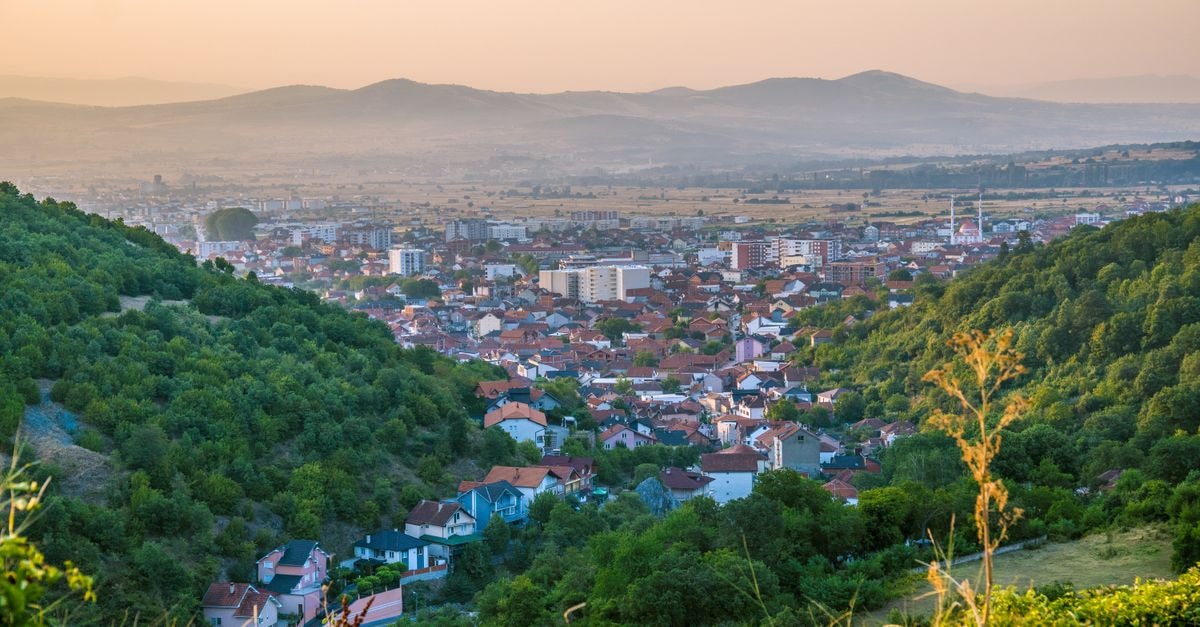
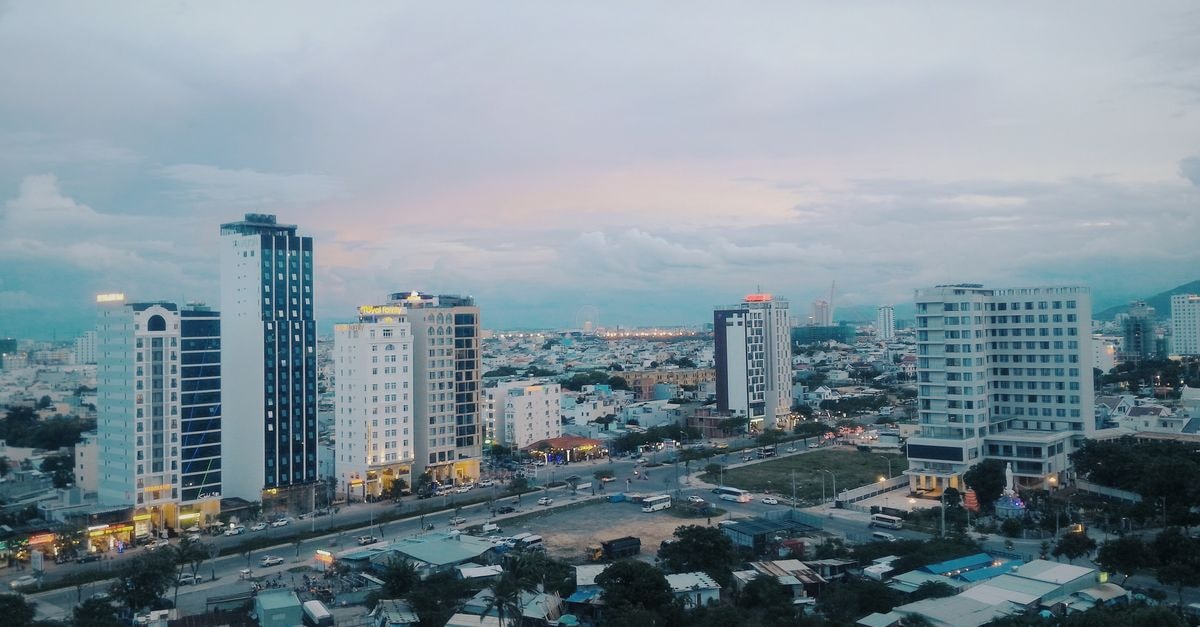
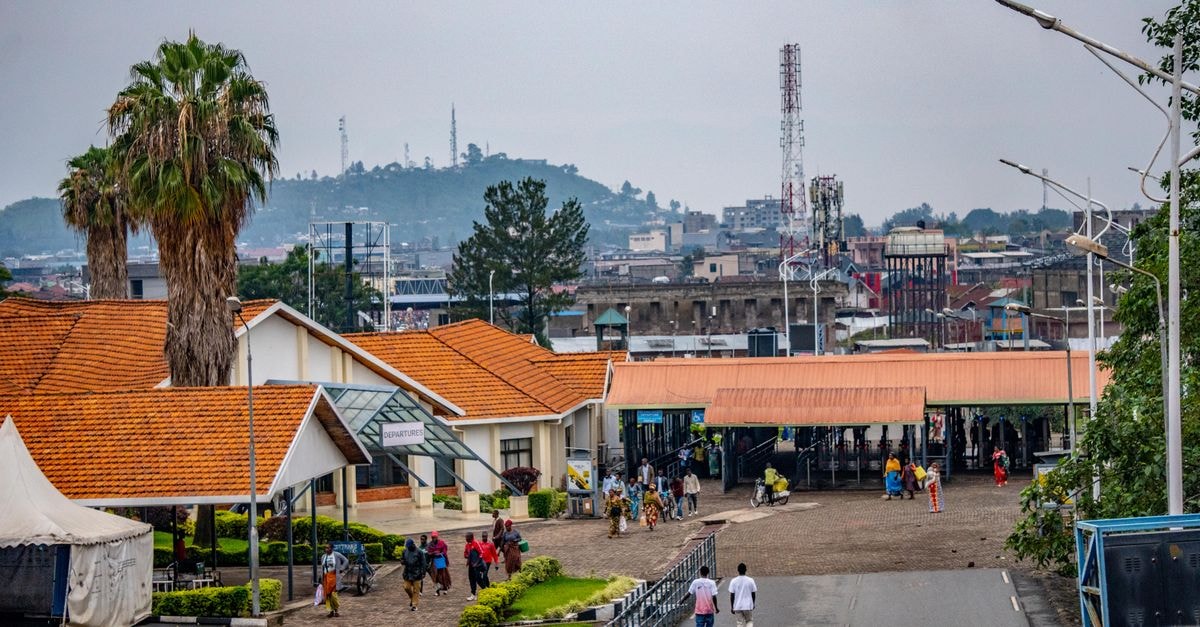
A frontier town at a busy crossroads

Yei sits in the southwest of South Sudan, close to the borders with the Democratic Republic of the Congo and Uganda. That geography shapes almost everything about the place: it is a frontier town that never quit, and it pulls in traders and customers from all three surrounding countries. The result is a medium-sized city with the steady hum of commerce, the kind of place where business is not a side note but the reason the town exists in its current form. Visitors who enjoy watching a city do its daily work, rather than ticking off a list of monuments, may find that rhythm immediately rewarding.
A few details are easy to pick up just by walking around. Church spires rise above tin roofs, and the streets carry the kind of small, vivid moments that make a border town feel alive: a motorbike stacked with bananas, a snatch of conversation, tinny reggae drifting from a shopfront. None of this is a formal attraction, but it is part of how Yei presents itself, and it sets the tone for the rest of a visit.
Getting around and getting in
Yei functions as a business hub, and the easiest way in for many travelers reflects that role. The small Yei Airport is served by regular flights from Entebbe International Airport, which makes it a practical option for visitors arriving from Uganda. If you prefer to keep the journey simple and skip a long overland connection from Juba, this short regional hop may suit your planning.
Because Yei sits near the DRC and Uganda borders and attracts traders from all three countries, the town itself tends to be busy with people on the move. That cross-border energy is worth taking into account when you think about timing and pacing, especially if you would rather explore the central market and main streets at a calmer moment. Travelers who enjoy watching commercial life in action may find the usual daytime hours engaging; those who prefer a quieter pace might consider early mornings for a first walk before the trading day peaks.
A practical note for anyone heading to Yei: this guide sticks to what the available sources directly support. Overland routes, road conditions, and border crossing procedures are not detailed here, so it is worth confirming current travel logistics through an official or up-to-date channel before you set out.
What to see and how to plan
Yei is described as a frontier town that never quit, and that phrase does a lot of the work for any visitor planning their time. This is not a city of large museums or famous landmarks; it is a place defined by its position on the map and the activity that position generates. If your travel style leans toward structured sightseeing with fixed opening hours and ticket lines, Yei may not feel like a natural fit, and that is a useful thing to know before you arrive. If, on the other hand, you are drawn to places where everyday life is the main event, the town rewards a slower approach.
Two visual touchstones help set expectations. Church spires rise above tin roofs, which gives the skyline a recognizable shape and offers easy landmarks for orienting yourself on foot. And the streets are full of small, human scenes, such as a motorbike stacked with bananas coughing past, spilling laughter and music, that capture the texture of daily life here more accurately than any list of sights could. Giving yourself time to simply be in those streets, rather than rushing between points, is probably the most honest way to plan a visit.
For travelers who like to balance independent wandering with one or two anchor experiences, it can help to think of Yei in two halves: the market and trading areas where the business hub identity is most visible, and the surrounding neighborhoods where the everyday character of the town shows through. If you prefer photography, slow observation, or conversations over a packed schedule, you may find this loose structure more satisfying than a fixed itinerary.
Food and local context
Food in Yei is closely tied to the markets, and the markets are closely tied to the town's role as a regional trading center. Yei is home to bustling markets where you can find handmade crafts, fresh produce, and local delicacies, which means much of what is most interesting about eating here happens in the open air rather than in a fixed restaurant. Travelers who enjoy market meals, seasonal produce, and the chance to see where ingredients come from may find this format appealing.
South Sudan as a whole has a broader food culture that visitors may encounter while spending time in Yei, and it is worth being open to it. Staples such as sorghum-based dishes, stews, and grilled or roasted preparations tend to feature heavily in everyday meals across the country, often shared communally. Approaching these meals as part of the wider South Sudanese context, rather than expecting a specific restaurant scene, is usually the more accurate frame. If you have particular dietary needs or restrictions, planning ahead and asking locally is the most reliable approach, as formal menus and English-language listings are limited in this region.
Because the markets are central to the experience, set aside unhurried time for browsing. Handmade crafts are a natural carry-home option, and fresh produce gives a quick, practical sense of what is in season locally. Travelers who prefer to cook for themselves, where facilities allow, may enjoy assembling a simple meal from market ingredients; those who would rather eat on the go will find plenty of ready options alongside the stalls.
Choosing what fits the trip
Yei rewards a particular kind of traveler, and it helps to be honest about that before booking a flight. Visitors who enjoy border-town energy, cross-border commerce, and market-centered food scenes will likely find the city immediately engaging, while those expecting a museum-rich or resort-style destination may want to recalibrate their expectations. The dry-season months are often cited as a more comfortable window for visiting this part of South Sudan because roads tend to be easier to navigate and the weather is generally more pleasant, and if avoiding rough roads matters to you, aiming for that window is worth considering.
Pace is another useful lever. Because Yei is a working hub rather than a sightseeing circuit, a short stay with plenty of unstructured time often works better than a long one spent hunting for attractions. Travelers who like slow mornings, long market walks, and conversations over checklists may suit Yei especially well.
A note before you go
Travel conditions in this region can shift, and the practical details covered here are intended as durable background rather than a substitute for current information. Before you travel, it is worth checking official government travel advice, your embassy's latest notices, and the airline operating the Entebbe service for the most up-to-date entry requirements, safety guidance, and flight schedules. Factual travel conditions can change, and official channels should be checked before departure.
Share this article
TOOLS FOR THIS PLAN
Make the Yei plan measurable
Choose a tool only when it answers the next question in your trip. Your values stay in the browser, and each tool offers a route back to this planning context.