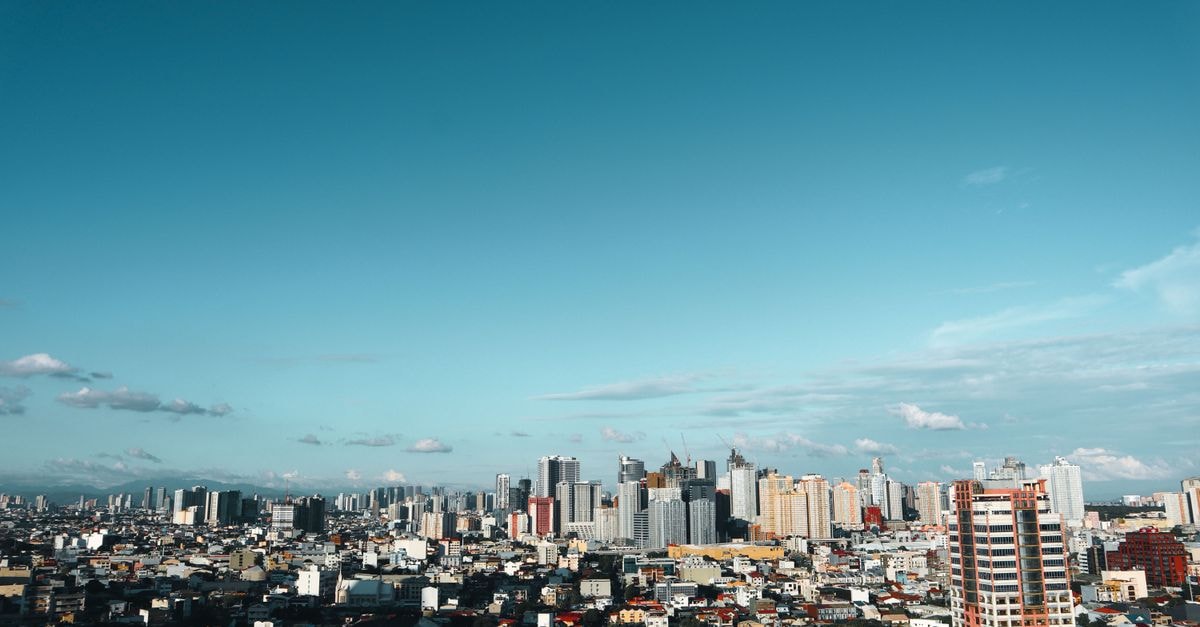
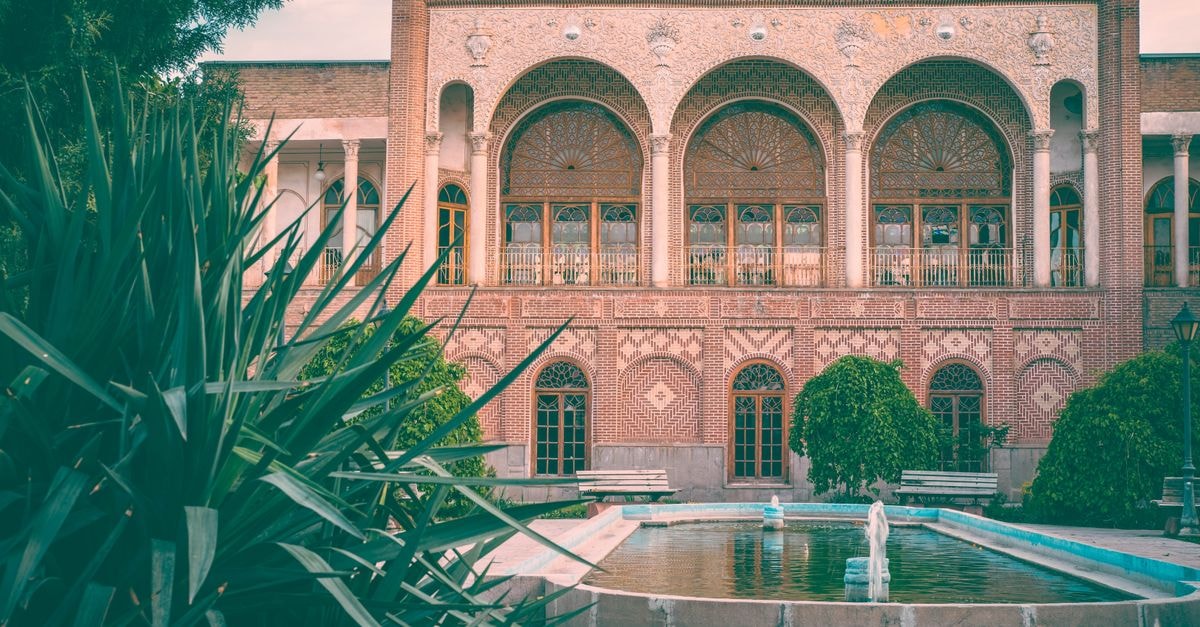
A first impression of Malingao

Malingao is the kind of place that rewards travelers who arrive without a checklist. There are no marquee landmarks, no queues at famous monuments, and no polished tourist circuit to sprint through. What you find instead is a quiet settlement framed by river valleys and agricultural land, where the rhythm of the day is set by harvests, school bells, and the slow parade of jeepneys between barangays. For travelers who usually feel exhausted by sightseeing, that quiet can feel like the whole point of the trip.
The town sits within Soccsksargen, a region known more for its countryside than its urban energy. Visitors tend to come through on their way somewhere else, but spending a day or two in Malingao lets you sink into the unhurried pace that defines the area. You are not here to tick off icons; you are here to read a slower chapter of the Philippines.
What to actually see in Malingao
Let's be honest about what the town offers. There is no list of headline attractions, and pretending otherwise would set the wrong expectations. The points of interest that locals recognize are everyday communal anchors: the barangay hall, the local schools, and the barangay chapel or mosque. These are not visitor attractions in the traditional sense, but they tell you how the community is organized and where life gathers.
The one natural feature that draws attention is Tinago Falls. The name translates from Filipino as "hidden," and that word captures the spirit of the place. Reaching it can feel like an unhurried adventure, and the reward is a waterfall that has earned a strong reputation across the country as one of the most beautiful in the Philippines. The falls carry the mood of the town itself: quiet, slightly tucked away, and best approached without a rushed schedule.
Because Malingao is a small rural community, it helps to arrive with realistic expectations. You will not find a string of curated attractions. You will find a single natural highlight, a handful of community spaces, and a landscape that invites you to slow down and look closer.
The landscape that frames your stay
The scenery around Malingao is part of the experience. River valleys and agricultural fields stretch out in every direction, and the wider region includes mountainous terrain that shapes both the climate and the views. If you are coming from a city, the green openness of the land can feel like a deep exhale.
The area is not set up for formal adventure tourism. You will not find commercialized outdoor operators, guided expeditions, or adrenaline-pumping activities within the town itself. What you will find is the kind of landscape that invites simple pleasures: a walk along a rural road, a pause at a small store, a conversation with someone tending a field. The opportunities for more rugged outdoor experiences sit in the broader mountainous regions beyond the town, so anyone craving treks or harder adventure should plan accordingly and look into what is offered in those surrounding areas before traveling.
For travelers who enjoy a quieter kind of exploration, the landscape around Malingao is the attraction. The river valleys, the patchwork of farmland, and the unhurried flow of barangay life together create a setting that is genuinely restful.
Food, markets, and everyday flavors
Rural markets are where you meet the local produce, and roadside food is where you taste the everyday rhythm of Malingao. A simple plan works best here: sample local grilled fish, try a plate of roadside pancit, and browse the market for whatever is in season. None of this requires reservations or a long list of dining destinations. It requires curiosity and an appetite.
Across the wider Philippines, food is woven into the culture of welcome, and visitors in Malingao will feel that context. One national tradition worth knowing about is adobong baboy at manok, a beloved pairing of pork and chicken adobo. The classic preparation arrives in a clay pot still bubbling, with sauce thick enough to coat the spoon and meat so tender it falls away at the touch of a fork. Whether you encounter this exact dish locally or somewhere else during your travels, it is a flavor worth seeking out as part of understanding Filipino food culture.
Because the local dining scene is rooted in everyday places rather than curated restaurants, your best moves are to follow the smoke from a roadside grill, accept what is offered, and trust that the food will be fresh and made with care.
Hospitality, customs, and how to be a good guest
Filipino hospitality is part of what makes travel here feel warm, even in a small town where you might not know a soul. Across the Philippines, it is common for strangers to invite visitors into their homes, share a meal, and go out of their way to help a traveler find their way. In a community like Malingao, that generous instinct often shows up in small gestures: a wave from a doorway, a glass of water offered on a hot afternoon, directions drawn on a scrap of paper.
One custom worth keeping in mind is that refusing food is considered impolite. If you are offered a plate, take at least a small portion. Even a taste is read as an act of goodwill. This small etiquette point will serve you well not just in Malingao but across the country.
A few other small behaviors help: greet people when you enter a shop or a barangay hall, accept conversation rather than rushing past it, and remember that in small communities people notice how visitors behave. Showing patience and friendliness will be rewarded in kind.
Planning your visit with realistic expectations
Malingao is not a destination you plan with a packed itinerary. It is a place to visit with time to spare, a willingness to wander, and an appetite for everyday life. Because there are few formal attractions, the experience of being here is shaped less by what you check off and more by how you settle in.
A reasonable approach is to allow at least a full day to explore the town on foot or by jeepney, ask locally about access to Tinago Falls, and leave time for slow afternoons in the surrounding river valleys. If you have flexibility in your schedule, that is the most valuable thing you can bring. Practical details such as transport options, accommodation availability, and current access conditions to natural sites can change, so verify them through local contacts or official channels before finalizing plans.
Travel in a small Philippine town like this is rarely about budget tiers or curated lists. It is about presence, patience, and an openness to a slower way of moving through a place. If that sounds like the kind of trip you have been craving, Malingao is ready when you are.
*Travel conditions can change over time, so confirm practical details through official and local sources before your trip.*
Share this article
TOOLS FOR THIS PLAN
Make the Malingao plan measurable
Choose a tool only when it answers the next question in your trip. Your values stay in the browser, and each tool offers a route back to this planning context.