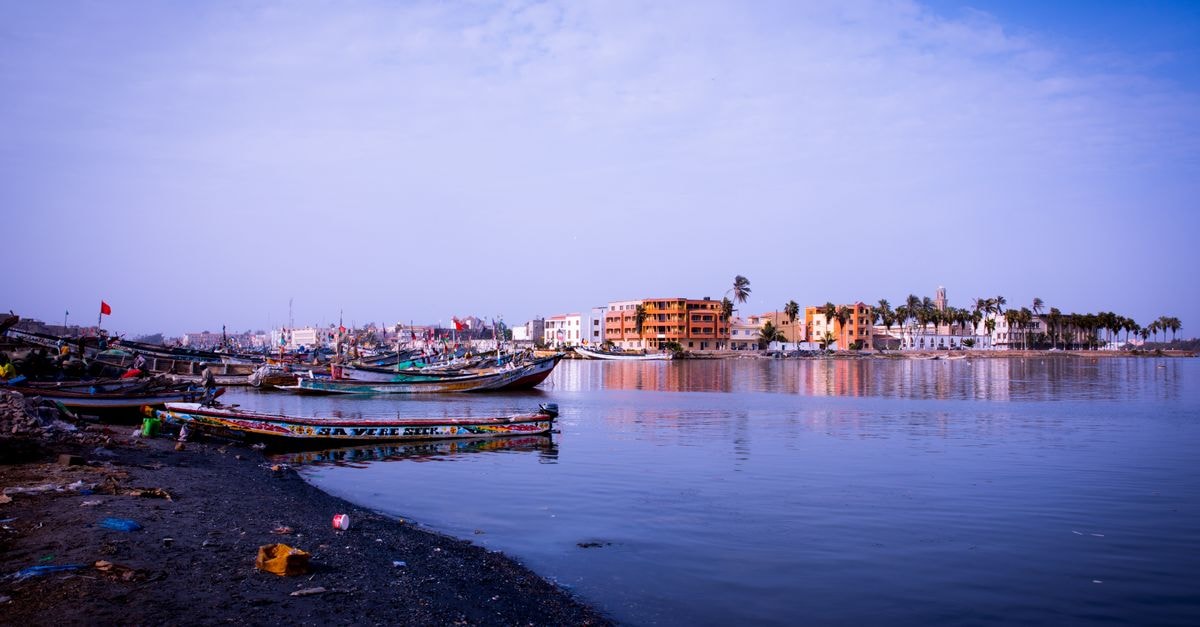
A slow-paced capital on the edge of the Indian Ocean

Mamoudzou has the unhurried rhythm of a working port city that doubles as a regional capital. Set on the eastern shore of Grande-Terre, it is the kind of place where a morning walk can move from a busy market stretch to a quiet waterfront in a few minutes. Travelers who like to read a city through its small cultural institutions and everyday street life tend to feel at home here, especially if they give themselves a little extra breathing room between stops.
The city is compact enough to explore on foot in some neighborhoods, and the surrounding hills offer a green backdrop that softens the light. It is also the main gateway to Mayotte, which gives Mamoudzou a steady, practical energy. Rather than rushing through, the city rewards visitors who treat it as a base for slow exploration, museum visits, and an evening stroll along the water.
Getting around
For travelers who prefer a slower pace, parts of central Mamoudzou are walkable, especially around the market area and the waterfront. Combining a short morning walk with a collective taxi for longer legs keeps the day flexible. Collective taxis, in the form of shared minibuses, are an economical way to cover longer distances inside the city, with fixed routes along the main axes and fares that scale by distance. Because routes are fixed rather than on-demand, it is worth asking locally about which line serves your destination and where the nearest pickup point is along the main axes.
Attractions and planning
Mamoudzou's sightseeing centers on cultural heritage and the lived texture of the city, rather than a dense checklist of headline monuments. Two experiences stand out for travelers who want to understand the place rather than simply pass through.
The Musée de Mayotte, often shortened to MUMA, sits in the heart of Mamoudzou and is the natural starting point for any visit. It functions as a window onto the island's heritage and history, with displays that frame the archipelago's past and present. For visitors arriving in the city without prior context about Mayotte, an hour or two here makes the rest of a stay feel more grounded, since the surrounding streets, markets, and conversations make more sense once the island's background is fresh in mind.
The other layer of Mamoudzou's cultural life is performance. Catching a Maore performance offers more than entertainment; it is a way of supporting the continuation of Mayotte's cultural heritage. Traditional and contemporary music, dance, and storytelling tied to Mahoran identity can be encountered through local events, and attending one is a memorable way to round out a day spent in the city. Because schedules for community performances are not always widely published, asking at MUMA, at your guesthouse, or among local contacts is usually the most reliable way to find out what is on during your stay.
A simple way to plan a first day is to anchor the morning around MUMA, take a slow walk through the surrounding streets afterward, and keep the late afternoon flexible for either a return to the museum area or an evening outing tied to a Maore performance if one is happening.
Practical notes for independent travelers
Travelers who want to slow down rather than tick boxes will find that Mamoudzou suits that style well. A couple of nights is usually enough to absorb the museum, walk the waterfront, sample local food, and, with a little luck, catch a performance. Travelers planning a longer stay can use the city as a base for exploring the rest of the island at a measured pace.
A final practical reminder: the factual details in any city guide can change over time, from transport routes and fares to museum hours and the timing of cultural events. Before traveling, it is worth confirming current conditions through official channels or local information points so that your visit lines up with what is actually open and running on the day you arrive.
Share this article
TOOLS FOR THIS PLAN
Make the Mamoudzou plan measurable
Choose a tool only when it answers the next question in your trip. Your values stay in the browser, and each tool offers a route back to this planning context.