A Slow Travel Guide to Moroni, Grande Comore

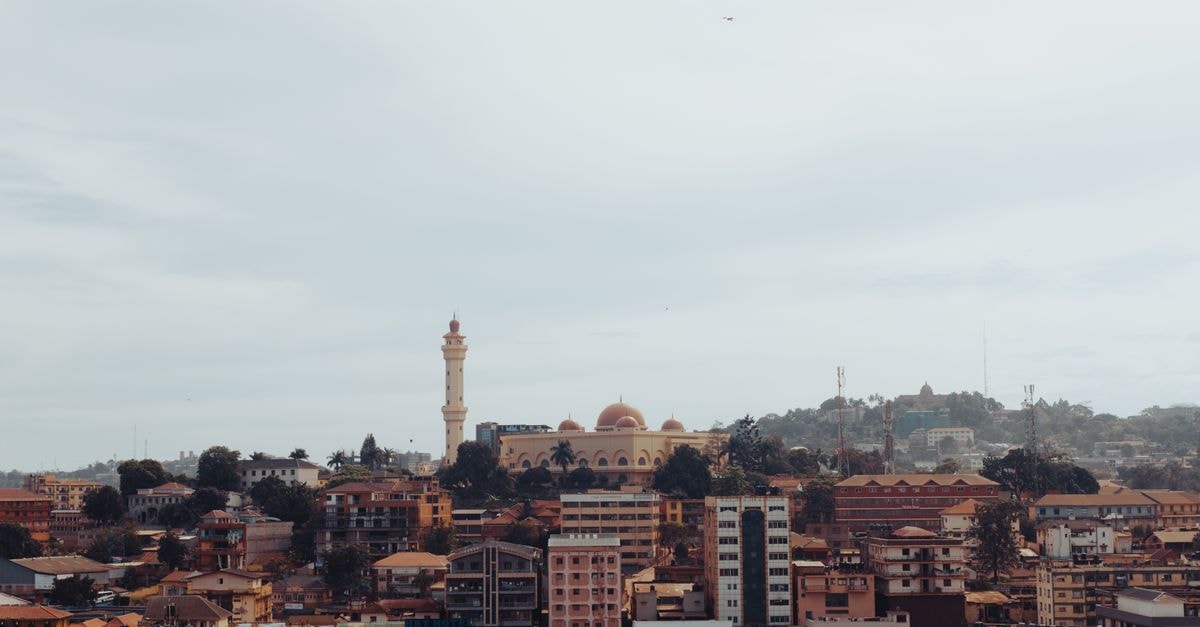
Moroni, the capital city set along Grande Comore's western coast, moves at the kind of pace that rewards unhurried travelers. Framed by volcanic ridgelines and the Indian Ocean, the city has a quiet, lived-in character where mosques, markets and ocean air shape the daily rhythm. There are no glossy high-rises or polished tourist corridors here, and that is part of the appeal. Visiting Moroni is less about ticking off a checklist and more about settling into a place where cultural exchange and everyday life feel close at hand.
This guide gathers the city-level facts that matter when planning a trip: the seasonal context that frames your visit, the practical transport picture at the airport, the attractions most travelers begin with, and the wider Comorian food culture you are likely to encounter around the city.
Weather and seasonal context
Travelers who arrive outside that window can still enjoy the city, though pacing the day around the heavier showers and giving yourself indoor options for the afternoon can make a real difference. The takeaway is not that one period is bad and another is perfect, but that May to October is widely considered the more comfortable stretch for visitors who want to spend long hours outside.
Getting around from the airport
The airport is served by airport transfer and shuttle services operating in and around Moroni. These services are positioned as an affordable, high-quality option for the airport-to-city journey, and they take some of the friction out of arrival, especially after a long flight. Rather than improvising on the kerb, booking or arranging a transfer in advance can give you a smoother welcome and a clearer sense of what your first evening in Moroni will look like.
If you prefer to keep your plans flexible, having a sense of the transfer options before you arrive helps you decide whether to pre-book or simply choose on the ground. Either way, the airport transfer and shuttle landscape is a useful starting point for your ground transport decisions.
Attractions and planning
Moroni is often approached through its main points of interest, and city-level sources consistently highlight a top 10 list of attractions to visit in Moroni and around. That list includes both general orientation and the specific sights most travelers gravitate toward, giving you a natural framework for your first days in the city.
Rather than treating that list as a race to be run, it can help to think of it as a set of entry points into the city. Some travelers use it to sequence their mornings and afternoons, while others pick a few highlights and leave room for unplanned detours through narrow streets, waterfront paths and conversation with locals. Either approach works in Moroni, where the city's character is as much in its everyday spaces as it is in its named sights.
A practical note: since the available guidance is a curated attraction list rather than a detailed schedule, it is worth confirming opening hours, visitor rules and access conditions through local information sources before heading out for the day. That way your plan stays grounded in current reality on the ground.
Food and local context
Moroni sits at a crossroads most of the world has stopped looking at, and that sense of cultural overlap shows up clearly on the plate. The city's food culture reflects Comorian traditions more broadly, blending African, Arab, French and Indian Ocean influences into a daily cuisine that is generous, fragrant and deeply local.
Across the Comoros, shared dishes tend to emphasize rice, seafood, spices and slow-cooked stews, with meals often serving as a social anchor rather than a quick refuel. Visitors to Moroni will encounter this wider Comorian food culture in everyday settings, from simple neighborhood restaurants to family-style meals. Dining here is less about curated tasting menus and more about warm hospitality, communal plates and a willingness to try what is set in front of you.
Because the approved food context is framed at the Comoros level rather than as a Moroni-specific ranking, treat any specific restaurant, market or signature dish as something to discover locally rather than something to pre-book. Ask hosts, hotel staff and neighbors for their current favorites; that is usually how the most memorable meals in Moroni come about.
A note on verification
Travel conditions in smaller island capitals can shift quickly, from seasonal weather patterns to transport availability and attraction access. Before you travel, cross-check the practical details that matter for your itinerary, including airport transfer arrangements, attraction opening times and any local guidance, through official or up-to-date local channels. Factual conditions may have changed since the underlying sources were last refreshed, and a short verification step before departure is the simplest way to keep your plans accurate.
Rates and prices, where mentioned in any supporting sources, serve as reference points only and should be confirmed against current figures before you commit to spending decisions. Treat the guidance above as a starting framework, and let the city's own rhythm fill in the rest.
Prices, opening hours, schedules, reservation rules, and local conditions can change; verify them through official channels before departure.
Share this article
TOOLS FOR THIS PLAN
Make the Moroni plan measurable
Choose a tool only when it answers the next question in your trip. Your values stay in the browser, and each tool offers a route back to this planning context.