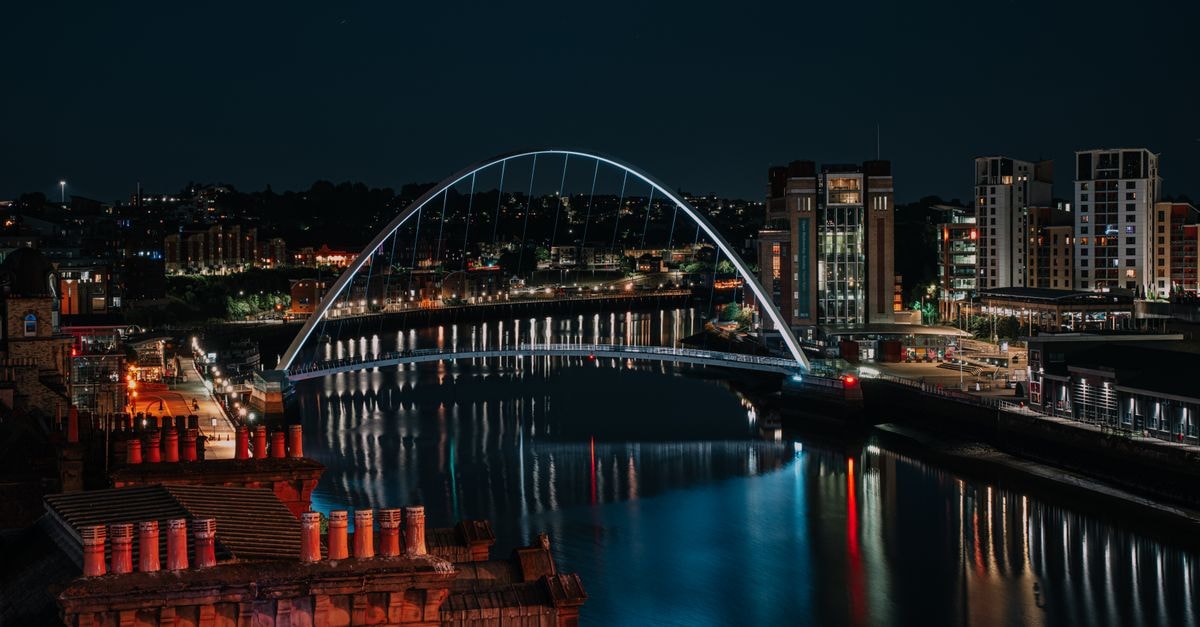
A first impression of Manchester

There is something immediately inviting about Manchester. The city's working past is celebrated rather than smoothed away: the nickname *Cottonopolis*, the worker bee on the coat of arms, and the motto *Concilio Et Labore* all hint at a place built through effort and shaped by collaboration. *Mancs*, the nickname for its people, fits a city that feels industrious in the best sense. Even a short stay tends to leave a sense of momentum, of streets that have stories stacked on stories. As a visitor, leaning into that rhythm rather than rushing past it is usually the most rewarding approach.
What makes Manchester pleasant to explore is its compactness of feeling, even where districts feel distinct. The city centre reads as a walkable place, with landmarks such as the Town Hall, the Midland Hotel, the Civil Justice Centre, John Rylands Library, Castlefield, the Cathedral, and the cluster around Deansgate Square giving you a sense of place without ever feeling overwhelming. It is the kind of city where a slow morning coffee turns, almost without deciding, into an afternoon's wander.
Getting around
Manchester is a city and metropolitan borough in England, and it wears that identity comfortably. The centre is the kind of place where walking between key landmarks becomes part of the pleasure rather than a chore. The Town Hall, John Rylands Library, Castlefield, the Cathedral, and Deansgate Square sit close enough together that you can move between them on foot and still feel like you are covering ground.
Beyond that central core, the city's districts each have their own personality. Knowing that the city is set up as a metropolitan borough gives a useful frame: the centre is dense and walkable, while the wider borough includes distinct neighbourhoods worth treating as separate little outings. Treating the city centre as your base and dipping outwards tends to work well, rather than trying to do everything in one sweep.
Attractions and planning
If you are building an itinerary around the standout cultural stops, Manchester offers one attraction that visitors consistently single out as the essential museum of the city. It is widely rated among the very best things to do here, and for many travellers it ends up anchoring the trip. Set aside unhurried time for it rather than treating it as a quick stop; the kind of museum people keep recommending is usually the kind worth slowing down in.
The city also has a particularly appealing cluster at the Quays, where the museum sits close to The Lowry and a walkable waterfront. Pairing these together makes a natural day out and shows off a slightly different Manchester from the historic core. Because they sit side by side, you can let your curiosity set the order and follow the waterfront between them.
A few planning notes that help the day flow:
- Treat the central museum as a half-day rather than a quick stop, and build the rest of your day around it. - The Quays cluster rewards a relaxed pace: museum in the morning, a waterside walk, and The Lowry as a calm afternoon close. - Back in the centre, leave room for the smaller landmarks, Castlefield, the Cathedral, and John Rylands Library, which read best on foot and without a strict schedule.
Food and local context
Manchester's food scene has a particular character, and visitors often find that understanding the city and tasting it go hand in hand. There is a recognised set of traditional Manchester dishes worth seeking out, and food here is treated as part of the city's identity rather than as an afterthought. The honest approach is to set aside at least one meal to try something specifically tied to Manchester rather than only eating at places you could find in any city.
Fresh seafood has a natural place at many tables here, and Manchester's proximity to the sea means that fresh seafood is a staple in many restaurants. Keeping seafood in mind as a likely menu option, alongside the traditional Manchester dishes the city is known for, gives a balanced and satisfying way to eat your way through a stay.
A relaxed way to approach eating in Manchester is to alternate between a couple of traditional local dishes and one or two menus shaped by the same broader British love of fresh seafood. That mix captures both the city's own kitchen and the wider food culture visitors will encounter while they are here, without overthinking either side of it.
A final note before you go
Travel details shift more often than guidebooks do, so it is always worth checking the latest information through official Manchester tourism channels before you set out. Factual conditions around transport, opening patterns, and venues can change, and a quick check on the day, or the week before you travel, tends to save small frustrations. Treat the guidance above as a way of thinking about Manchester rather than a fixed schedule, and let the city itself shape the finer details once you arrive.
Prices, opening hours, schedules, reservation rules, and local conditions can change; verify them through official channels before departure.
Share this article
TOOLS FOR THIS PLAN
Make the Manchester plan measurable
Choose a tool only when it answers the next question in your trip. Your values stay in the browser, and each tool offers a route back to this planning context.