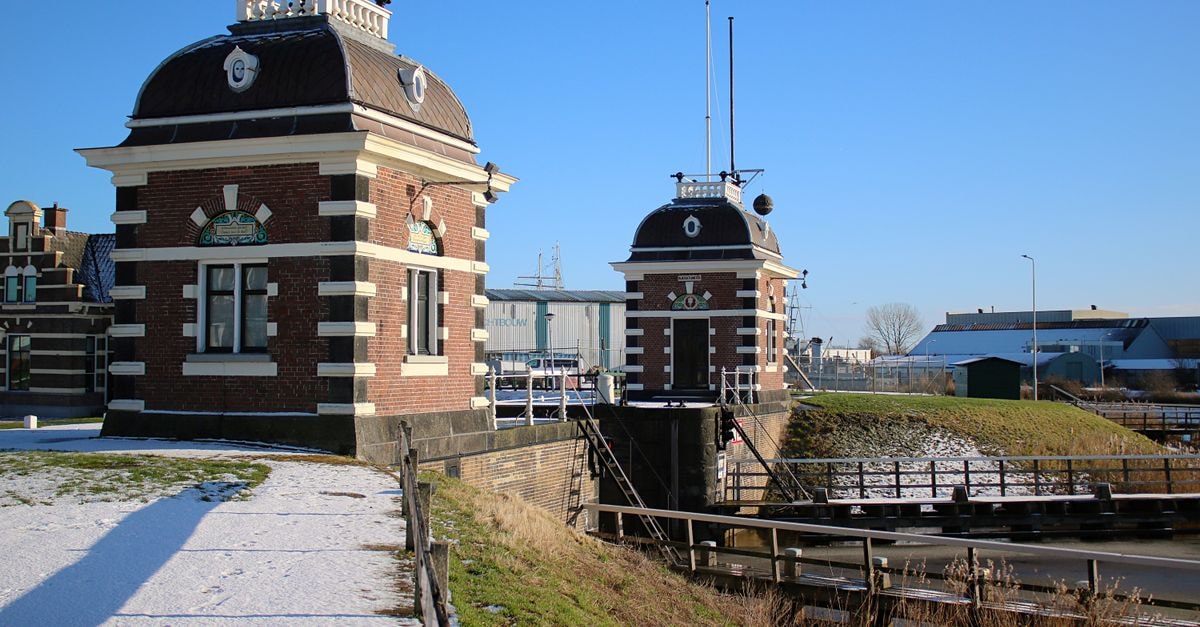
A first impression of Newcastle upon Tyne

This guide gathers what is worth knowing before you arrive, without leaning on personal anecdotes or hard-sold recommendations. The aim is to help you feel oriented, not overloaded, so you can arrive with a plan in mind and leave room for the small discoveries that make a city break memorable.
Getting oriented and planning your visit
Newcastle upon Tyne has a compact centre that rewards walking. Most of the classic draws sit within an easy stroll of each other, so a first-time visitor can settle into the rhythm of the city without needing a packed timetable.
The practical takeaway is simple: rather than arriving with a rigid list, it helps to read a couple of curated overviews, mark the handful of places that genuinely spark interest, and let the rest of the city unfold through walking. Because much of Newcastle upon Tyne is best explored on foot, comfortable shoes and a light daypack will do more for your trip than any single booked experience.
If you are visiting for a short break, a relaxed approach tends to suit the city well. Spend time on foot around the centre, save a quieter evening for the river, and treat the planning pages as a starting point rather than a checklist.
The wider British food context you may encounter
Newcastle upon Tyne sits inside a wider British food culture that has shifted significantly in recent years, and visitors will encounter the flavour of that shift across menus and dining rooms. The national culinary scene is no longer defined by a narrow set of stereotypes; traditional plates sit comfortably alongside modern interpretations, regional ingredients and international influences, particularly in cities like Newcastle upon Tyne where students, commuters and visitors shape demand.
Across the country, traditional dishes still appear on pub menus and in family-run dining rooms, but they are increasingly framed as part of a broader story. Visitors may come across classics presented with care, often built around locally sourced meat, fish, root vegetables, dairy and baked goods, and accompanied by a growing interest in craft drinks, regional cheeses and seasonal produce.
It helps to arrive in Newcastle upon Tyne knowing that British food is generally not what older guidebooks suggested. Eating well in the city is less about chasing a single iconic plate and more about being open to the everyday mix: a long, slow pub lunch, a casual café brunch, or an evening tasting menu where the chef takes regional inspiration in a modern direction. That openness tends to make a short visit feel richer.
Dining customs and social norms to know
In many British dining settings, it is common to wait until everyone at the table has been served before starting to eat, which signals politeness and shared attention. Saying "please" and "thank you" when ordering and when food is delivered is expected rather than optional, and staff generally appreciate direct, friendly communication. Tipping is usually appreciated but not as automatic as in some other countries; a modest tip for good table service is a thoughtful gesture, but it is not a strict requirement.
Pub culture also shapes how many visitors eat in Newcastle upon Tyne. Ordering at the bar rather than at the table is standard in most pubs, and it is normal to find food served alongside drinks rather than as a separate, late-seated meal. Locals tend to be relaxed about pacing, conversation and lingering over a meal, which can feel refreshing for visitors used to faster service styles.
Understanding these small norms in advance can help a short visit feel smoother, especially for travellers who want to settle into local rhythm rather than stand out as obvious newcomers.
How to think about budget in Newcastle upon Tyne
Day-to-day spending in Newcastle upon Tyne tends to be more approachable than in some larger British cities, but exact prices vary widely by area, venue and time. Rather than committing to a precise number, it is more useful to think in terms of ranges: a casual meal and a coffee in an everyday setting will feel modest, while a special-occasion tasting menu or a riverside restaurant can easily climb higher. Public transport between key neighbourhoods is straightforward, and walking fills in much of the gap for many visitors, which helps keep incidental costs down.
Because prices and offers change, it is wise to check a venue's own page or a trusted booking platform before committing, particularly for anything ticketed, time-limited or seasonal. This guide does not quote specific price points, exchange rates or ticket figures, because the right number depends on your starting point, your style and the choices you make on the day. Treat any rough range you hear locally as a guide, not a rule.
A relaxed way to spend your time
If you are visiting for a short break, a useful mindset is to anchor your day around one or two things you genuinely want to see, and to leave the rest open for spontaneous stops. That approach tends to fit the city's pace, and it gives you room to revisit the places you liked most.
A final verification note: travel conditions, opening details and cultural programming in Newcastle upon Tyne can change without notice, so it is worth checking official channels and trusted local listings before you travel. Treat this guide as a grounded starting point, and confirm any specific plans closer to your visit.
Practical reminders before you go
Above all, Newcastle upon Tyne is the kind of city that meets you halfway. A little preparation goes a long way, and so does a willingness to slow down once you arrive.
Share this article
TOOLS FOR THIS PLAN
Make the Newcastle upon Tyne plan measurable
Choose a tool only when it answers the next question in your trip. Your values stay in the browser, and each tool offers a route back to this planning context.