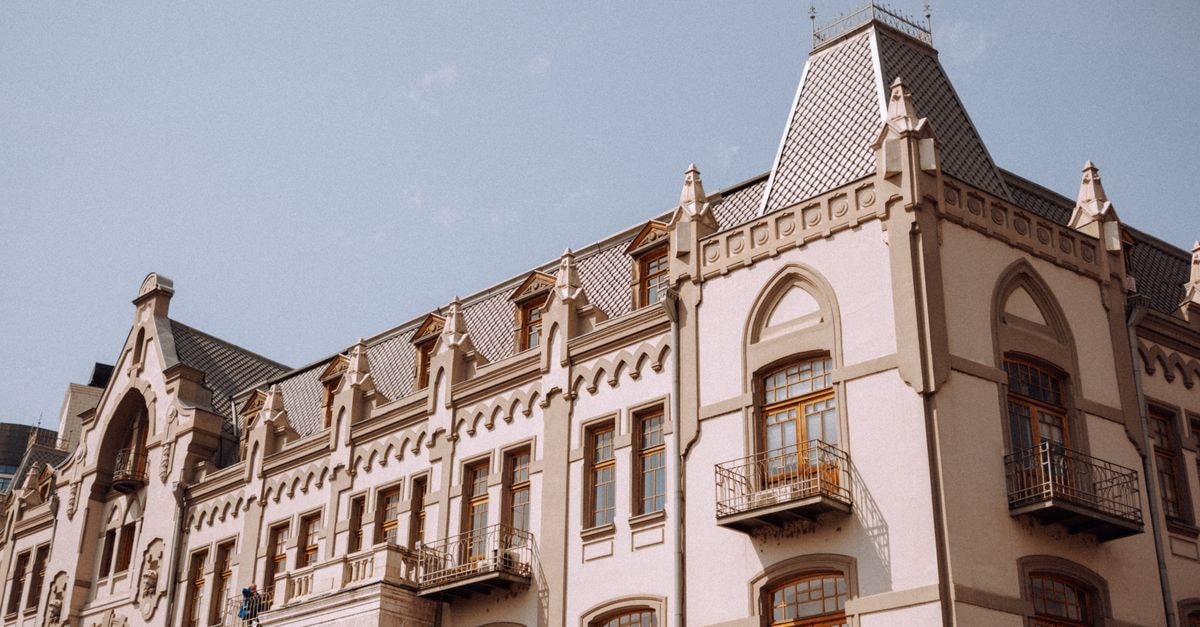
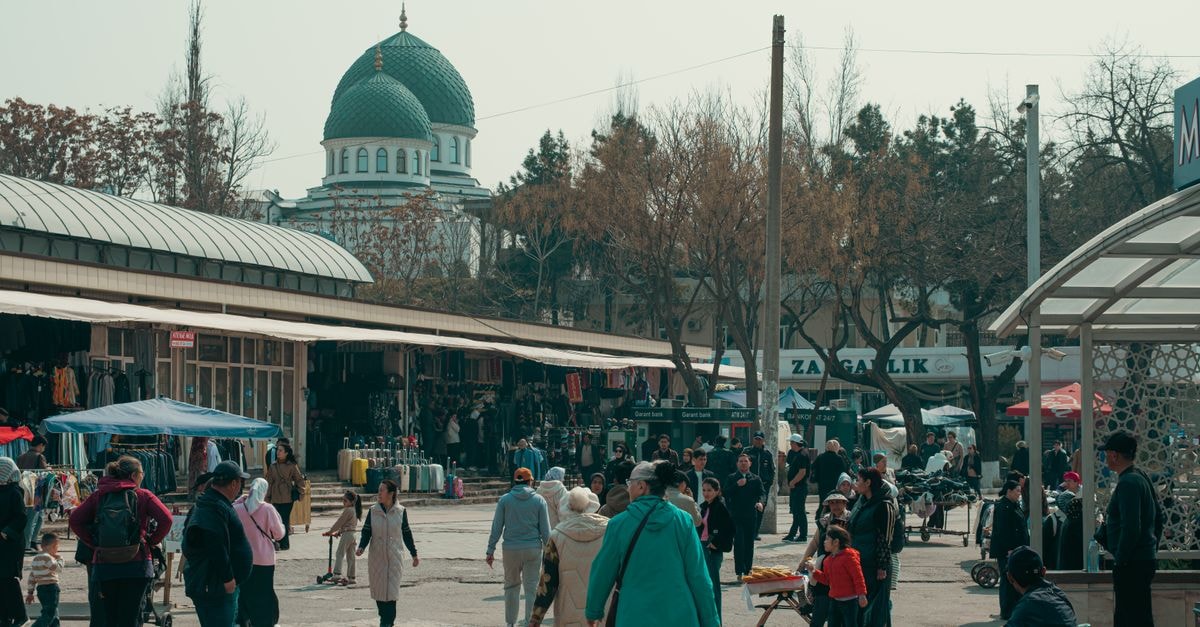
Manila in the rain: a city that hums through the wet months

If your plans fall in September, that local color arrives with a very specific weather personality, and a useful cultural calendar to match. The rest of this guide leans into what the season actually delivers: warm temperatures, frequent rain, and a debut music festival worth building a day around.
Weather and seasonal context
September in Manila typically means warm days and wet evenings, and it shapes how a thoughtful itinerary feels. Average highs sit around 30°C / 87°F, with overnight lows near 26°C / 78°F, so lightweight fabrics and quick-dry layers tend to be more useful than a heavy coat. Rain is the headline, however: roughly 29 rainy days a month is the kind of figure that suggests planning for showers rather than around them, which is why many travelers find that mornings work well for outdoor exploration and afternoons feel better spent indoors, in a café, museum, or covered arcade.
That rhythm is worth treating as a gentle pacing tool rather than a hard rule. A light packable rain shell, shoes that can handle a little standing water, and a willingness to duck into the next covered space when the sky opens up are the practical habits that tend to make September travel in Manila feel relaxed rather than rushed. It is also sensible to factor in travel advisory guidance, which notes a threat of kidnapping across the country, including in Metro Manila, and to stay alert to official updates from your home government and local authorities as departure approaches.
Festivals and other reasons to build your days around
September in the capital is a particularly rewarding month for cultural programming, and one event in particular helps anchor a trip.
For travelers who would rather listen than read, the inaugural Navotas Music Festival 2026 is the September headliner. The lineup brings together some of the country's biggest acts for a one-day celebration of Filipino music this September, which makes it one of the easiest ways to spend an evening immersed in OPM culture without trying to piece together a club crawl. Because it is a single-day event, planning accommodation and transport around it pays off; festival weekends tend to move faster than ordinary ones in Metro Manila.
Together, these seasonal touchpoints give the month a clear shape: days for browsing books and air-conditioned venues, evenings for live music and the city's livelier side.
Getting around a megacity of neighborhoods
Manila is best understood as a city of distinct localities, and movement between them is part of the texture of any visit. The Philippines Tourism USA guide frames the capital as a global megacity that is also a smattering of neighborhood localities, which is a useful mental model when you are choosing where to base yourself and how to spend your time.
The practical implication is that where you stay shapes how you experience the city almost as much as what you do. Travelers who plan around book-fair days, museum visits, and a single anchor event like the Navotas Music Festival tend to do well picking a base that shortens those specific transfers, rather than optimizing for one perfect neighborhood. Inside any single district, jeepneys, UV Express vans, and short rideshare trips are the everyday ways to stitch a day together. Because rain is so frequent in September, leaving a little extra buffer between scheduled events is a small habit that makes the day feel less compressed, especially on book-fair mornings when convention halls and nearby transit can be busy.
Food and dining as wider Philippines context
A useful way to approach food in Manila is to think of it as the urban expression of a wider Philippine food culture. Adobong baboy at manok, the country's pork and chicken adobo, is often described as arriving in a clay pot still bubbling, the sauce thick enough to coat a spoon and the meat so tender it falls off the bone with a fork's pressure. That description captures the spirit of how many Filipino dishes are served: vivid, communal, and built for sharing rather than plating.
Visitors tend to find that the same warmth shows up in the social side of eating. Filipino hospitality is often described as legendary, with strangers inviting visitors into homes, sharing food, and going out of their way to help. The etiquette that tends to matter most at the table is also gentle: refusing food is considered impolite, so when hosts press a second helping, the polite move is to accept at least a small portion. In Manila, that spirit tends to surface in everything from a packed lunch counter to a long family-style dinner, and it shapes how travelers are received whether they are eating with new friends or sitting at a counter they have never visited before.
A note on planning ahead
A few practical reminders travel well with this guide. Factual conditions around weather, events, safety, and opening details can change between the time of writing and the date of travel, so it is worth checking official advisories and event channels close to departure. Treat the figures above as a seasonal snapshot rather than a live forecast, and let them shape pacing and packing rather than hard plans. With that flexibility in place, September in Manila tends to reward travelers who arrive ready for warm days, indoor afternoons, and a calendar that already has a music festival and a major book fair on it.
Verification note: this guide is based on approved factual references covering weather averages, current event programming, and broader Philippines context. Travelers should confirm specific event dates, venue details, and any safety guidance with official sources before finalizing plans.
Share this article
TOOLS FOR THIS PLAN
Make the Manila plan measurable
Choose a tool only when it answers the next question in your trip. Your values stay in the browser, and each tool offers a route back to this planning context.