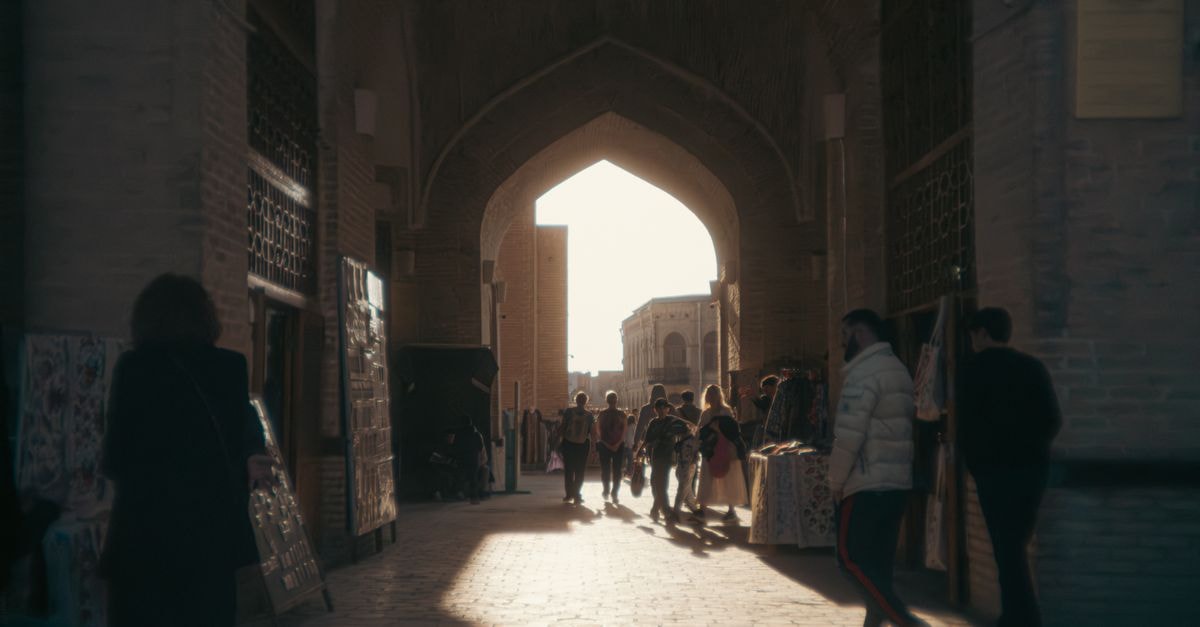
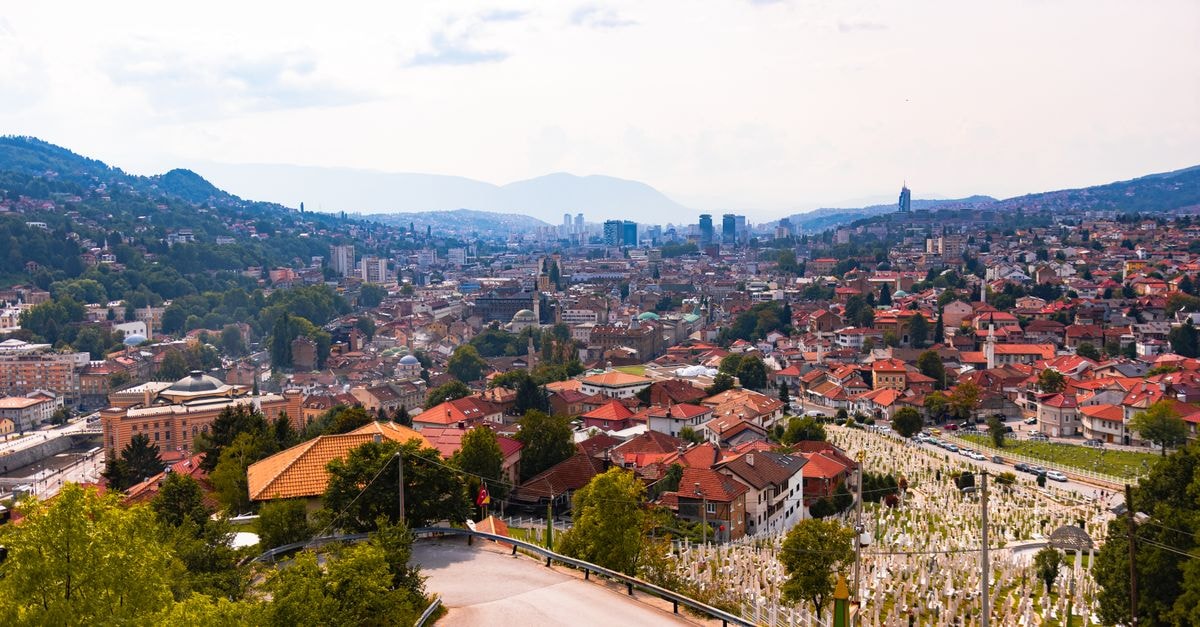
A first impression of Uzbekistan's capital

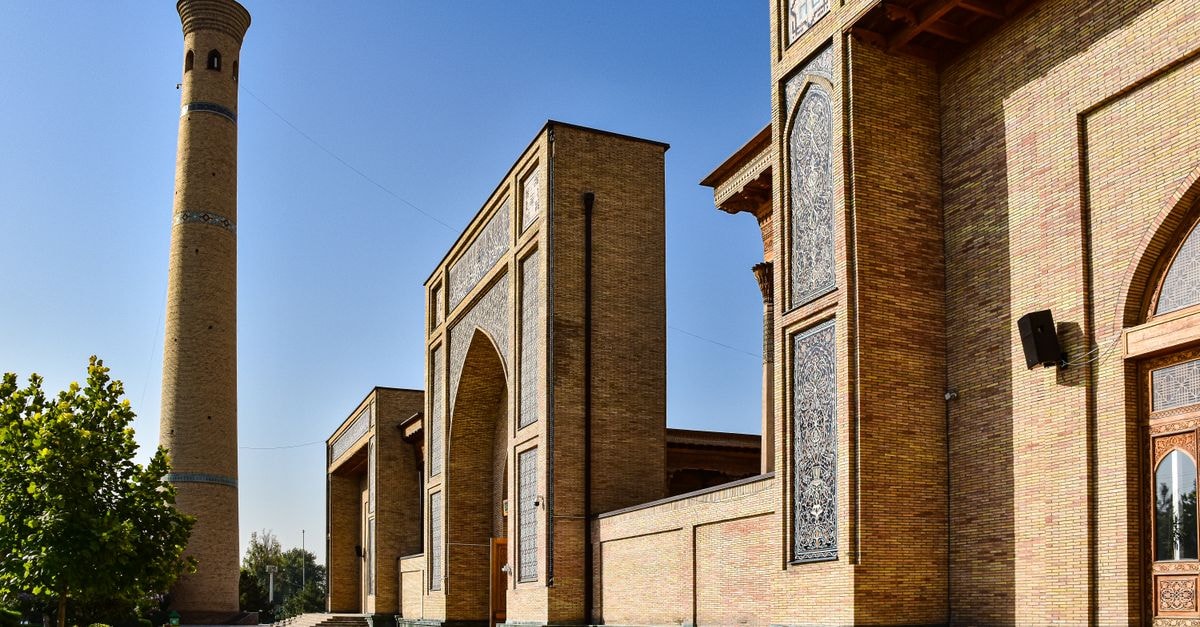
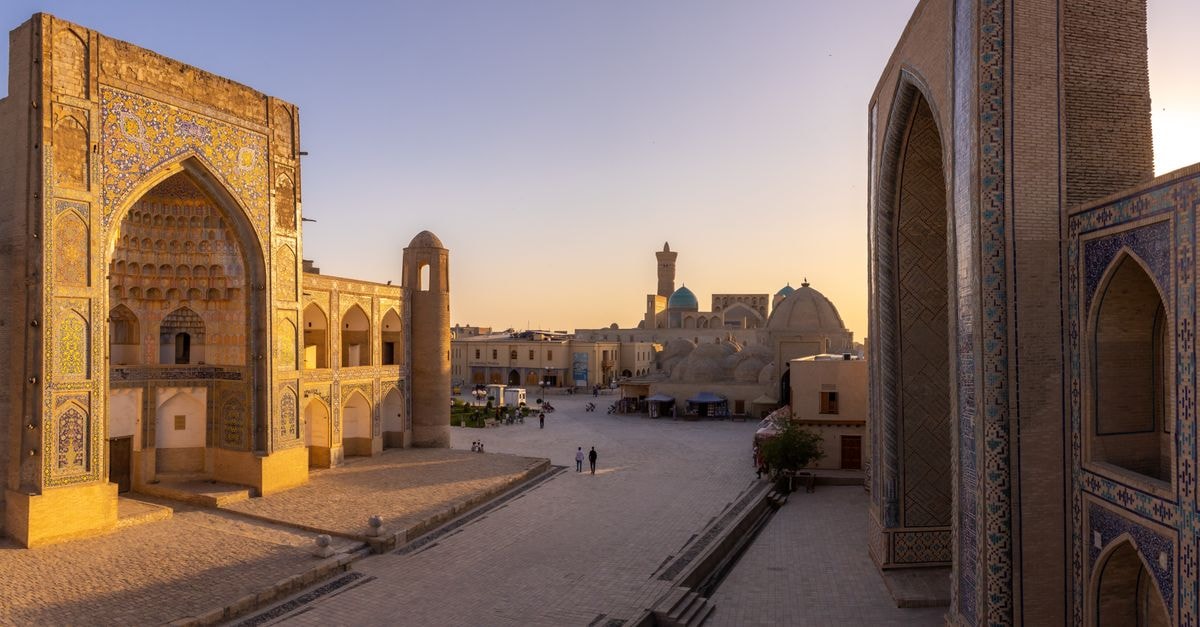
Tashkent wears its layered history lightly. Wide boulevards, leafy courtyards, and quiet squares meet a city that has long sat at the crossroads of trade routes, and that openness to movement is part of its everyday character. Travellers tend to find a capital that feels easy to walk through, with a rhythm that mixes Soviet-era planning, restored madrasas, and a contemporary café culture.
This guide is for visitors who want to plan a stay that feels unhurried, anchored in a few reliable touchstones, and curious about what the city actually offers rather than what a checklist promises. It stays within the facts available, leaning into what is well supported rather than padding out with speculation.
Attractions and planning
The official travel and tourism hub for Uzbekistan's capital organises the city into clear navigation paths: places to visit, events, accommodation, tours, and a wide range of restaurants covering Georgian, Italian, Mediterranean, steak, Turkish, Uzbek, vegan and vegetarian, and Vietnamese cooking. That breadth reflects how cosmopolitan the dining scene has become, and it also signals that visitors with specific dietary preferences will usually find a fit within the listed categories. For accommodation, the hub lists everything from five-star properties to budget family guesthouses, with curated categories like hotels in Tashkent city centre, hotels near Amir Temur Square, and hotels with swimming pools. Independent travellers and families alike can usually narrow a shortlist quickly using these filters.
The Museum of Applied Arts sits in what was once Russian diplomat Alexander Polovtsev's residence and functions as a showcase of Uzbekistan's craftsmanship traditions, making it a natural anchor for a culture-themed half-day in the city. Visitors approaching it as one of several museum stops tend to find it pairs well with a neighbourhood walk rather than a rushed tick-box visit.
Practical planning note: the official travel and tourism hub for Uzbekistan's capital also lists specific properties within its accommodation categories. Courtyard by Marriott Tashkent appears in that listing with a guest score of nine, recorded as a reference entry rather than as a current booking endorsement. Any hotel appearing in a general listings page should be treated as a starting reference point, with current availability, room types, and seasonal pricing confirmed directly with the property before booking.
Food and local context
Food is where Tashkent's crossroads identity becomes most tangible. Traditional Uzbek restaurants in the city centre on national dishes and local cooking methods, often prepared in large open kitchens or in tandoor ovens. Diners can usually watch bread being shaped and baked, skewers being turned, and rice dishes being assembled in the kind of theatrical, fragrant style that turns a meal into a small event.
Tashkent's food culture more broadly carries the influences of the Silk Road into the present day, and the city's dining scene reflects layers of migration and exchange. One striking example of this layered palate within Tashkent's restaurant listings is the presence of late-night Korean cold noodle spots, a culinary habit that traces back to the Korean communities resettled in Uzbekistan during the twentieth century and that has since become a beloved local ritual. Visitors who arrive hungry after an evening stroll may find themselves sharing a table with locals doing exactly the same.
For visitors who want a structured introduction, traditional Uzbek restaurants are the most reliable starting point, and the official travel and tourism hub for Uzbekistan's capital lists them alongside Georgian, Italian, Mediterranean, steak, Turkish, Uzbek, vegan and vegetarian, and Vietnamese options. This range means a traveller can comfortably build several different food experiences into a short stay without repeating themselves, moving from a classic tandoor dinner one night to a lighter, plant-based meal or a different regional cuisine the next.
A grounded approach to the visit
The most rewarding way to experience Tashkent is to choose a handful of anchors rather than trying to cover everything. A stay built around one major museum, one neighbourhood walk, one traditional dinner, and one quieter evening meal tends to leave a more lasting impression than a packed schedule that races between sights. The city's layout supports this kind of slow pacing, especially for travellers who choose accommodation in the centre or near a recognisable landmark like Amir Temur Square, which serves as a natural reference point for orientation.
Because details around opening hours, ticketing, and reservation policies change over time, the most reliable approach is to treat general guide listings as a starting shortlist and then verify current conditions through official channels or direct contact with venues before committing to a specific plan. This guide stays deliberately conservative on those points, reflecting what the available sources confirm rather than what a typical travel article might assume.
For independent travellers and curious visitors who like a balance of culture and comfort, Tashkent offers a city that rewards attention: to its museums, to its food, and to the everyday rhythm of its streets.
---
*Travel conditions change, and details such as opening hours, prices, and availability can shift without notice. Please verify the latest information through official tourism channels and individual venues before finalising your plans.*
Share this article
TOOLS FOR THIS PLAN
Make the Tashkent plan measurable
Choose a tool only when it answers the next question in your trip. Your values stay in the browser, and each tool offers a route back to this planning context.