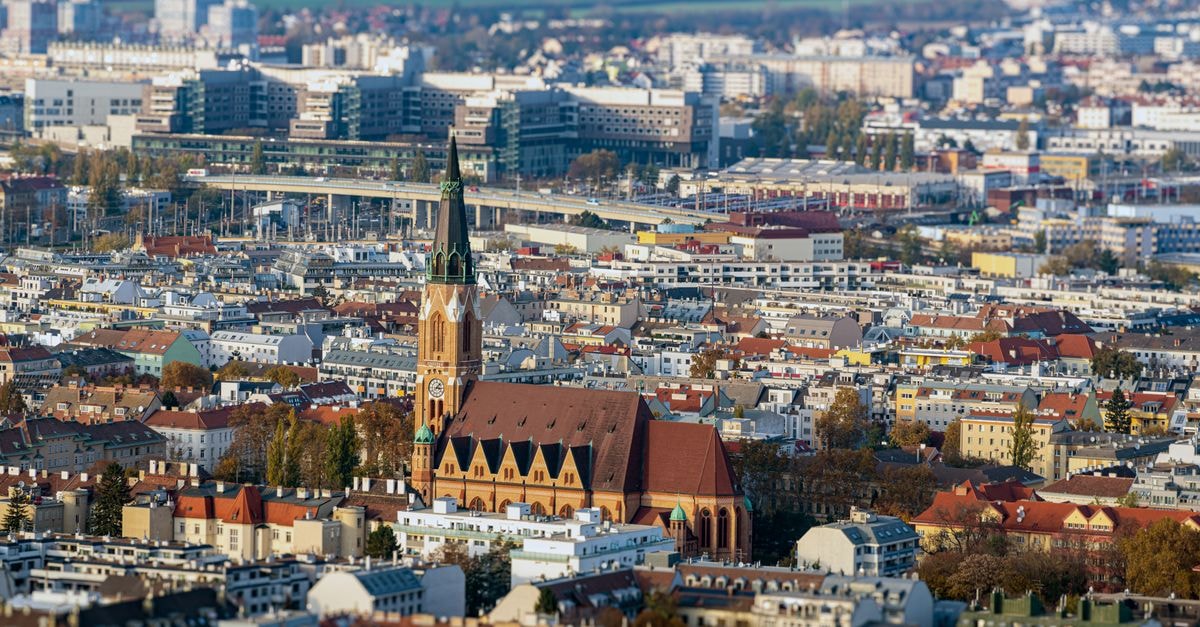
Maribor sits in the northeast of Slovenia as the country's second city and the capital of the Štajerska wine region. It was named Europe's Best Wine Capital in 2026 and is built around the World's Oldest Grapevine, a Žametovka vine recognised by Guinness that has been growing on a house facade in the Lent riverside district for more than 450 years. The old town is compact, walkable, and framed by the Drava River, with the forested Pohorje Hills rising just to the southwest. Because the city combines an urban core, vineyards on its doorstep and easy access to alpine walking country, it works well as a 2–3 day base for an independent traveller who wants culture, food and a bit of outdoor air in a single stop.

July weather and what to expect
July is the hottest month of the year in Slovenia, with mostly sunny skies and long days that run 9–10 hours of usable daylight. Inland highs around central and eastern Slovenia climb into the mid-20s to high 20s Celsius, with overnight lows near 15 °C. Rain still arrives, on roughly nine days of the month, so plan for the chance of a sharp shower rather than a dry week. Mountain elevations above Pohorje will read noticeably cooler than the city floor. The European Covenant of Mayors notes that Maribor has recorded a clear rise in hot days and tropical nights in recent decades, and the municipality has launched a heat action plan with shaded bus stops and extra tree planting, which is useful context for older travellers and families planning outdoor afternoons.
Evenings by the Drava and in the Lent district stay warm enough to sit outside well past sunset, which makes the open-air cinema and riverside stage programmes practical rather than hopeful. Pack light clothing for the day, a layer for air-conditioned interiors, and a thin waterproof; comfortable walking shoes handle the cobbled lanes around Lent and the stairs up to the castle without trouble.
Getting to and around Maribor
Maribor sits on the main Austrian–Slovenian rail corridor. Direct trains connect the city with Ljubljana in roughly 1h30, and day services also link it with Vienna and Graz, which makes it a natural add-on for travellers already crossing Central Europe by rail. Within the city, public transport is run by Marprom, and fares are modest: a single ride bought from the driver costs €2.00, while a pre-sale single is €1.30 and a 10-ride carnet comes in at €10.00. A daily ticket for one person is €6.00 (full day) or €4.00 if you stick to off-peak hours between 09:00 and 13:00 and after 17:00. A monthly urban ticket is €36.00, with reduced rates for school-age and student riders. The bus network is the main option for Pohorje-adjacent suburbs, while the historic centre is genuinely walkable. For longer days, visitors can also use the tourist City Train, rent a bike within the city, take the cable car up to Pohorje or hire a small electric vehicle to cruise the centre. Ljubljana Jože Pučnik is the main international gateway for most independent travellers, since Maribor's local airport handles mostly private and sport aviation. If you drive in, remember Slovenia requires a toll vignette for motorway use.
Things to do: attractions and July events
The single non-negotiable stop is the Old Vine House on Vojašniška ulica in Lent, where the Guinness-certified vine still produces a small annual harvest of Žametovka grapes from which a few diplomatic bottles are made each year. The attached museum and wine shop walk visitors through the vine's history and let you taste and buy other Štajerska labels. Most other core experiences are within a 15-minute walk: the Water Tower, the preserved Synagogue (one of the oldest in Central Europe), and the Maribor Castle and regional museum. The Vinag Wine Cellar just south of the centre is one of the oldest and largest cellars in Europe, with 2.5 km of Baroque-vaulted passages used continuously since the 19th century; guided visits for individual guests are priced at €20.00.
July is the heart of Maribor's summer calendar, and most marquee programmes run across multiple weeks that include the target month. "Summer at the Oldest Grapevine" runs from 9 July to 5 September 2026 with tastings and storytelling sessions on the Lent riverbank. "Summer at Minoriti" runs from 7 July to 26 August 2026 in and around the Minorite monastery, and the accompanying Minoriti Open-Air Cinema plays from 15 July to 22 August 2026. "Summer on Maribor Island" runs from 30 June to 1 September 2026, while a Summer Art Camp for younger visitors runs from 11 July to 30 August 2026, and a corn maze on the city edge runs from 18 July to 1 September 2026. Two longer-running exhibitions also overlap the month: "Objects of Joy" continues until 15 September 2026 and "Spekter: 70 Years of the UGM Collection" runs until 30 August 2026. Check the official KAM app for daily listings and last-minute additions.
Above the city, the Pohorje Hills give a quick switch into green air. The Pohorje Trio (cable car, bike park entry and a guided hike) starts at €20.00 per person, and a guided Mysterious Minorites walk is €16.00 per person. The Treetop Walk Pohorje, near the upper cable car station, and the Lovrenc Lakes peat pools are classic day-trip options reachable by short hikes; an eco day with a picnic basket is offered from €50.00 per person. For a slow afternoon closer to town, the wine-growing hills of Piramida and Kalvarija double as viewpoints and short climbs above the city.
Wine and culinary highlights
Maribor was named Europe's Best Culinary Destination in 2023, and the local Štajerska larder is well worth a deliberate tasting plan. Five dishes recur on traditional menus. Pohorski pisker is a slow-cooked stew built on Pohorje beef, root vegetables, porcini and pearl-barley porridge, traditionally eaten from a single clay pot. Pohorska bunka is an air-dried pork speciality matured in the mountain air of Pohorje, served with homemade cheese, pickled mushrooms and bread. Pohorska omleta is a sweet pancake-style dish offset by cranberries, cream and a menthol liqueur that nods to the spruce forests. Pohorski žganci (also called olbič) is a buckwheat spoonbread eaten with milk or coffee poured over the top. Pohorska gibanica is a layered cottage-cheese cake enriched with apples, walnuts, pears, forest berries or tarragon depending on the season. Fried chicken, with crunchy skin eaten by hand, is most associated with Gostilna Pri Lipi and is part of the city's everyday repertoire. Pohorska šarlota, a fruit-and-cream charlotte traditionally paired with semi-sweet Muscat, is the region's signature dessert. For tasting the wines themselves, the Old Vine House runs tastings from €10.90 per person and a more in-depth "Secrets of the World's Oldest Grapevine" experience with museum and tasting is €15.00 per person.
Tickets, costs and booking tips
July sits within Slovenia's peak travel window, which affects both availability and prices for hotels and the most popular guided experiences. Across the country, July brings noticeably higher prices for flights and accommodation than shoulder months, and reservations for key tastings and cellars fill weeks ahead. For Maribor specifically, book the Vinag cellar visit and any specific "Summer at the Oldest Grapevine" wine-tasting slot through the official Visit Maribor shop rather than walking up on the day. Public bus tickets can be bought from the driver (€2.00) or pre-purchased, including the 10-ride carnet (€10.00) that is the most cost-effective option for a 2–3 day stay; the daily ticket at €6.00 makes sense for a single heavy travel day. The free Friday and Saturday guided tour of Maribor for individuals is the cheapest way to get context; group tours for groups of ten or more start from €105.00, and food-and-wine packages such as "Rock'n'Roll of Tastes" begin at €100.00 per person. Cross-check any current price on the Visit Maribor shop or the relevant provider before booking, since these rates can change.
Safety and practicalities
Slovenia is rated Level 1 ("exercise normal precautions") by the US Department of State. Petty crime such as pickpocketing and purse snatching is the main recorded risk in tourist areas, transit hubs and city centres, particularly at night, so use the usual phone-and-wallet awareness. The advisory specifically cautions about hiking in the Julian Alps: follow local guidance, check the forecast, dress appropriately and never hike alone; the same logic applies in Pohorje when going above the cable car station. Slovenia is on the euro (EUR), and rates against other currencies move daily, so treat any conversion you see online as a reference only and check the live rate before exchanging cash or charging a card. No visa is needed for stays of 90 days or less for most Western travellers, but registration in the European Entry/Exit System (EES) is required. Valid passports need at least three months' validity beyond departure and one blank page per stamp. Travellers driving into Slovenia must carry a valid toll vignette before joining a motorway.
Factual travel conditions can change between research and travel. Re-check opening hours, event dates and ticket prices on the official Visit Maribor website, the KAM app and the Marprom site before finalising plans, and confirm any visa, EES or driving-vignette requirements with the relevant embassy.
Exchange rates shown are for reference only; check the current live exchange rate before departure. Prices, opening hours, schedules, reservation rules, and local conditions can change; verify them through official channels before departure.
Share this article
TOOLS FOR THIS PLAN
Make the Maribor plan measurable
Choose a tool only when it answers the next question in your trip. Your values stay in the browser, and each tool offers a route back to this planning context.