Getting around
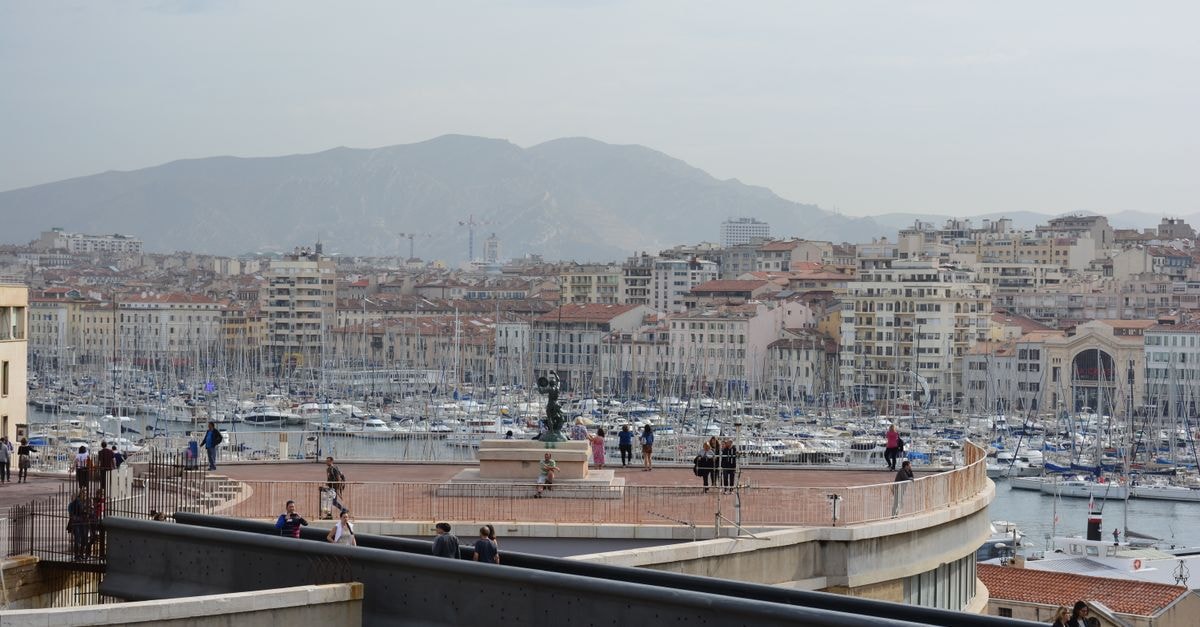
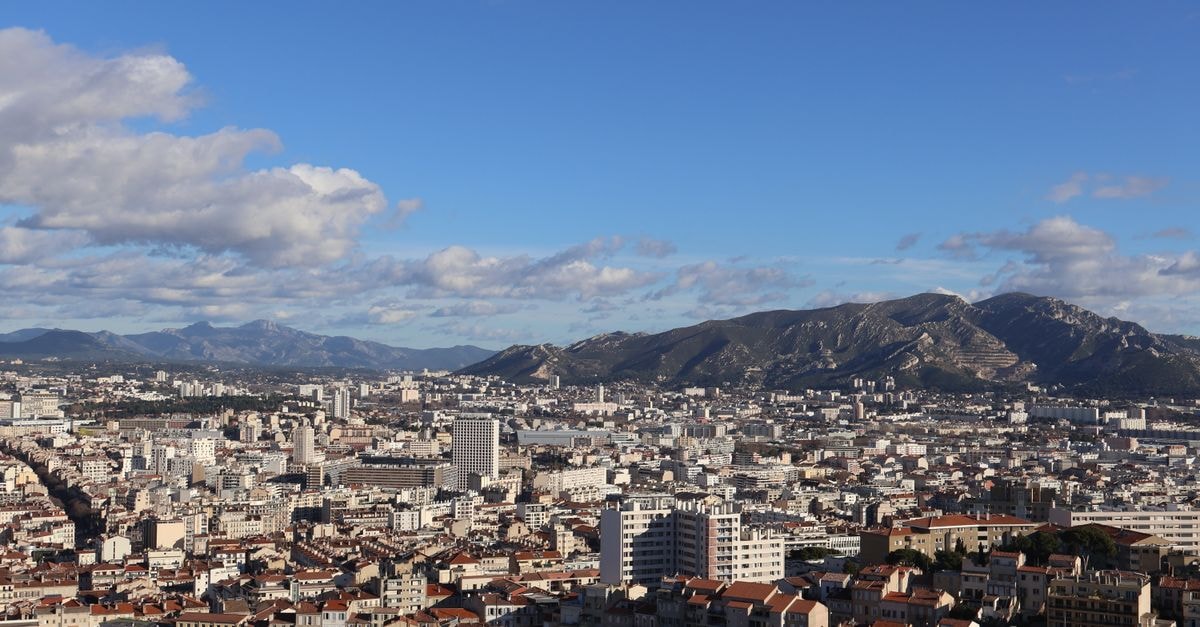
Marseille rewards travelers who resist the urge to rush everywhere by car. The city offers a quick and reliable way to bypass traffic, especially during peak hours, and that single decision can change the texture of a day. Choosing public transit over driving means more time looking out the window at sunlit facades and less time hunting for parking near the waterfront.
The tramway network is extensive, particularly around the city center and the Vieux Port area, offering a more relaxed pace than the metro. If you prefer to keep your day at a strolling tempo rather than diving underground, the tram is a natural fit. Consider using it as your default for harbor-to-center moves and save your walking energy for the slower streets.
For visitors who want to cover more ground in a morning, layering tram rides with short walks often feels more rewarding than trying to do the whole city on foot. If you prefer slower sightseeing with frequent stops, the tram can still help you skip the longer distances while preserving plenty of opportunities to pause for a coffee or a view.
Attractions and planning
The official Office de Tourisme de Marseille remains the natural starting point for any visit. The site shares current welcome information and signals that Marseille is a city in motion, with initiatives like the Fabriqué à Marseille label celebrating local products and know-how, and the Foire Internationale de Marseille marking the city's role as a gathering place for regional commerce and creativity.
Visitors who enjoy letting a city reveal itself through themed routes will find plenty to work with. The tourism office notes that visits and walks are offered throughout the year to help residents and visitors alike better know their environment, appreciate its cultural and tourist riches, and become ambassadors for the area. That ongoing calendar of guided exploration suggests you do not need to plan everything in advance; there is often a walk or themed visit available when you arrive.
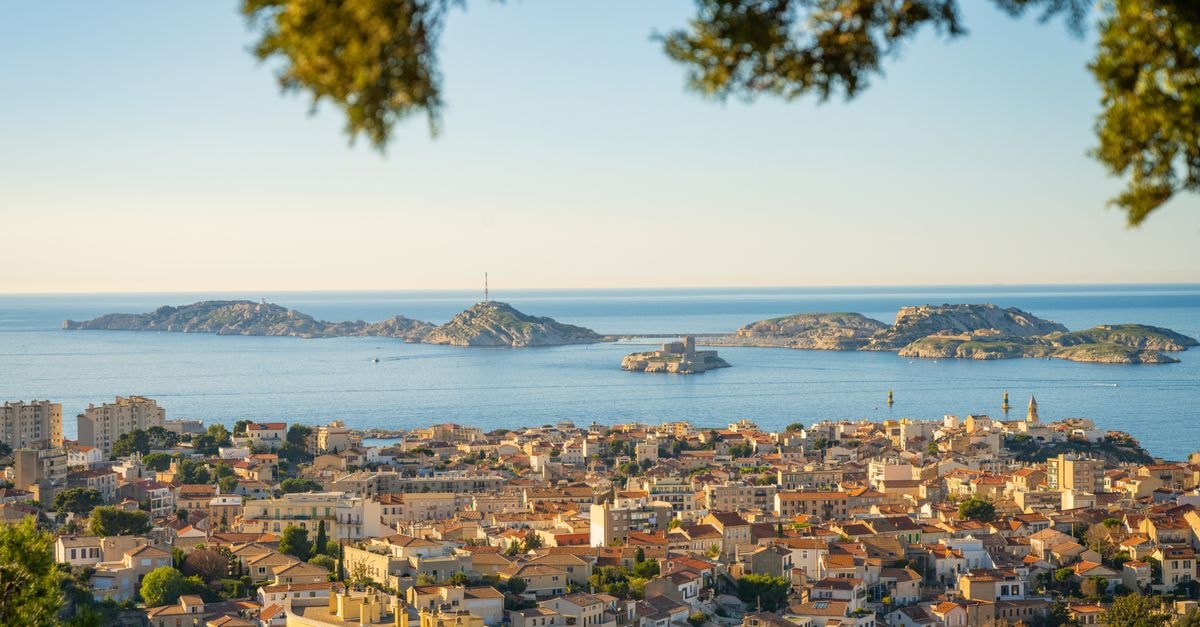
If you prefer a self-paced visit, anchor a morning at the Vieux Port and let the rest unfold from there. Travelers who like a more structured introduction may want to look into the current calendar of guided walks on arrival rather than committing to a private guide in advance.
Food and local context
Marseille sits inside a wider French food culture where markets, street stalls, and family-run restaurants often reveal more about a place than any guidebook. Visitors will quickly notice how food functions as a kind of social currency, a way to mark time, and a reason to linger.
Across France, traditional dishes carry the country's varied landscapes and regional heartbeats on the plate. While Marseille has its own relationship with Provençal cooking and coastal ingredients, the broader French tradition of treating meals as a moment to slow down holds true here as well. Travelers who enjoy market browsing should plan time for at least one morning stroll past local stalls to see what is in season and what the surrounding region is celebrating.
The food culture is deeply layered and goes well beyond a single iconic dish. In Marseille, that breadth shows up in the daily rhythm: quick lunches at small counters, longer afternoon breaks, and evening meals that turn into conversations. If you prefer a more structured approach to eating your way around a city, a market morning followed by a single sit-down lunch is often the most rewarding way to experience both the energy and the calm of French food culture.
Choosing what fits the trip
Marseille offers more than enough to fill a long visit, so the most useful planning move is to decide what kind of pace you want. Travelers who like a slow, harbor-centered day will feel at home using the tram to bridge short distances and saving energy for waterfront walks and a long lunch. Visitors who want a richer cultural layer can layer the tourism office's ongoing program of walks and themed visits onto the basic route, treating them as a way to add depth without committing to a fixed schedule. Food-focused travelers will get the most from market mornings and unhurried meals that lean into the wider French tradition of treating food as a way to understand a place. In every version, letting the city set the tempo tends to work better than fighting it.
Before you go
Factual conditions around transit, opening hours, and event calendars can change, so a quick check with the official Office de Tourisme de Marseille and current local sources before departure is a sensible habit. Treat any timing-sensitive detail as worth verifying on the day, and let the city's own pace guide the rest.
Prices, opening hours, schedules, reservation rules, and local conditions can change; verify them through official channels before departure.
Share this article
TOOLS FOR THIS PLAN
Make the Marseille plan measurable
Choose a tool only when it answers the next question in your trip. Your values stay in the browser, and each tool offers a route back to this planning context.