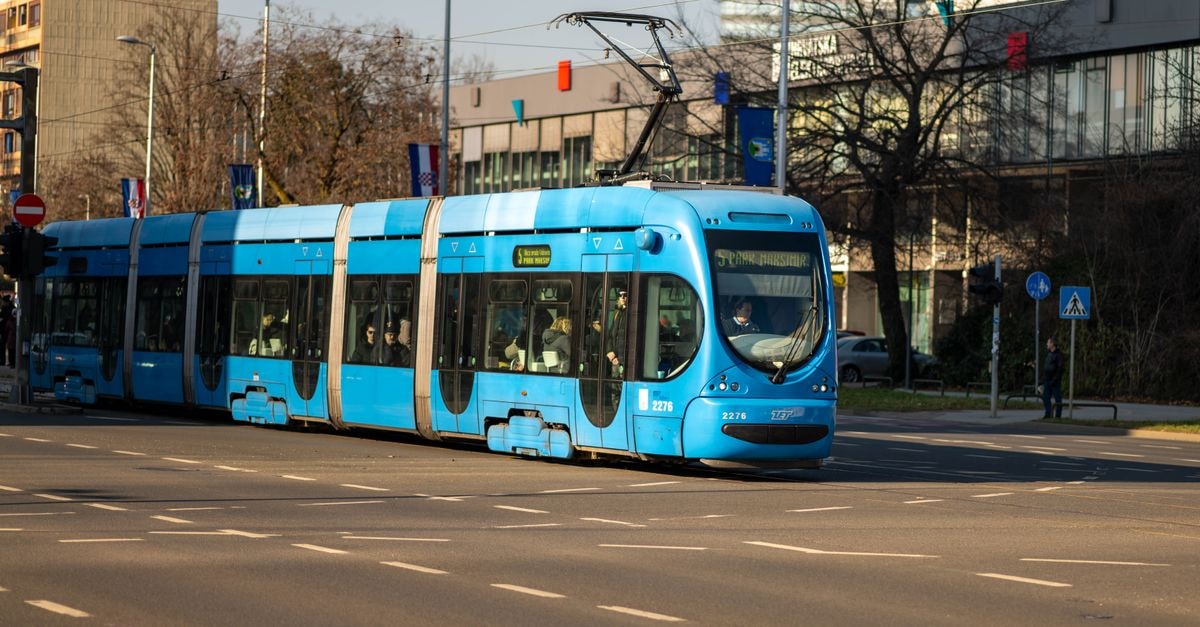
A first look at Strasbourg
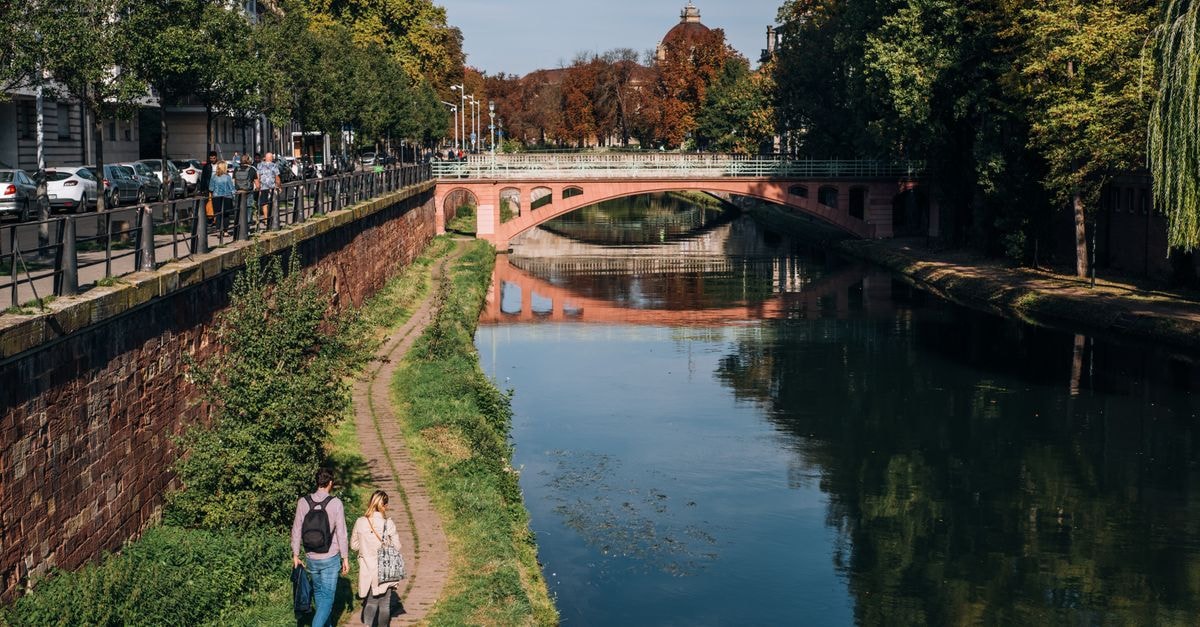
Strasbourg has the kind of atmosphere that pulls you in slowly, the way a long afternoon pulls you toward a quiet café. Set on the Rhine and shaped by centuries of cultural crosscurrents, the city moves at a gentler tempo than Paris, which can suit travelers who want to spend their days wandering rather than ticking off a checklist. Evenings in weekend plans often stretch out over a glass of wine and a long table conversation, and the tram system makes it easy to drift between neighborhoods without thinking about logistics.
This guide gathers the practical facts that matter for a relaxed, well-paced visit: how the year tends to feel, how to move around the city, and how French food culture shows up in everyday settings. It is written for independent travelers who like to plan lightly and leave room for serendipity.
Weather and seasonal context
If you prefer thinner crowds, consider the months outside the documented June–August high season, when daily highs run around 22–26°C and you can expect larger crowds and higher hotel rates. Either way, packing layers is a sensible habit for mornings along the canals in that window.
Getting around
Strasbourg is a comfortable walking city once you're inside the historic core, and the tram network fills the gaps beyond it. A single ticket on the CTS tram system gives you a 90-minute transfer window, which is plenty for short hops across the center, a longer ride out to a museum quarter, or a spontaneous detour when something catches your eye. The CTS app is a useful companion for live schedules, and the SNCF app covers the regional TER trains if you decide to explore the broader Alsace region by rail.
A small planning habit can pay off here: if you enjoy museums, it can be worth checking whether your visit lines up with the first Sunday of the month, when municipal museums such as Palais Rohan offer free entry to all visitors. Combining a free museum day with a 90-minute tram window is an efficient pairing, and it leaves more of the day for slow walking and people-watching by the Ill River.
Food and local context
Food is one of the easiest ways to feel a place, and France in general offers that experience generously. Markets, street stalls, and family-run restaurants often tell you more about a region than any guidebook, and Strasbourg sits inside that wider French rhythm. You may find yourself lingering over a long lunch, choosing a bottle of wine with the same care as the main course, or joining the local habit of treating dinner as an unhurried event rather than a quick stop.
The national table leans on regional differences rather than a single signature, so each city carries its own heartbeat within that wider landscape. In Strasbourg, that means Alsatian influence is part of the everyday picture, and visitors often notice how wine bars, bakeries, and small plate-style dining fit naturally into a day of sightseeing. If you enjoy pairing meals with travel moments, it can be worth planning one or two slow meals rather than rushing through every one.
Choosing what fits your trip
A few grounded tradeoffs can help shape a calmer visit. Within the documented June–August high season, daily highs around 22–26°C are common, and the same window brings larger crowds and higher hotel rates; if you prefer fewer queues and lower hotel rates, consider the months outside that window. If you love art and history, scheduling around the first Sunday of the month can unlock free entry at municipal museums like Palais Rohan, which pairs naturally with a 90-minute CTS tram ticket for a low-cost day. If you'd rather explore the broader region, the SNCF app covers regional TER trains, while the CTS app handles city moves, so the two work side by side. These aren't hard rules, just useful considerations for shaping a trip that matches your pace.
Before you go
Factual travel conditions can change, so it's worth checking the CTS app and the SNCF app shortly before your trip for the latest schedules and any service updates. Hotel rates, museum opening details, and tram ticket terms can shift over time, and official channels remain the most reliable source for current information. Treat any general advice as a starting point, and confirm the essentials before you set off.
Share this article
TOOLS FOR THIS PLAN
Make the Strasbourg plan measurable
Choose a tool only when it answers the next question in your trip. Your values stay in the browser, and each tool offers a route back to this planning context.