Arriving and the lay of the land

Matanzas sits as the capital of Cuba's Matanzas province, a quietly underrated corner of the island that rewards travelers who like to wander on foot rather than chase a checklist. The city itself has a very compact center, and a few hours of walking around are generally enough to get a good feel for the place, which is good news for anyone who prefers slow strolls over long bus routes. Because the distances are modest, you can pair a morning of sights with an unhurried afternoon of seafood without ever feeling rushed across town. Travelers who prefer not to log long walking days may find that concentrating on the central area and saving deeper exploration for a second visit is the most comfortable way to approach the city.
Getting around
Matanzas is the provincial capital, which means it functions as a regional hub rather than just a small town. That positioning can make it a useful base for travelers who want to dip into the province without committing to a longer circuit. Within the city, the practical reality is simple: the center is compact enough that walking is the most natural way to get around, and the few landmarks of interest sit within a comfortable loop. If you are staying slightly outside the historic core, short local rides tend to bridge the gap, but the urban experience itself is built around pedestrians and plazas rather than car traffic. Travelers who prize harbor views and a slow rhythm may suit Matanzas especially well, since the layout invites lingering rather than transit-hopping.
Attractions and planning
The Matanzas province is home to a few of Cuba's tourist hotspots, and the city itself is often referred to as the "Athens of Cuba" for its reputation as a center of arts, poetry, and learning. That cultural reputation is something you feel as much as see, woven into the architecture and the everyday rhythm of the streets. The city has a compact center that is generally enough to absorb in a few hours of walking, which makes it friendly for travelers who want to layer history, scenery, and local life into a single unhurried day.
There are two small plazas that anchor the social and cultural life of Matanzas: Plaza de la Vigía and Plaza de la Libertad. These two open spaces are the natural starting point for any visit, partly because they sit close together and partly because they reveal how the city gathers. Sitting on a bench in either square, watching the city move at its own pace, can be the most memorable part of a trip here, especially for visitors who enjoy places where civic life still happens outdoors. To the east, and somewhat closer than other regional draws, is the bayside town of Cárdenas, a reminder that the province offers more than a single city center.
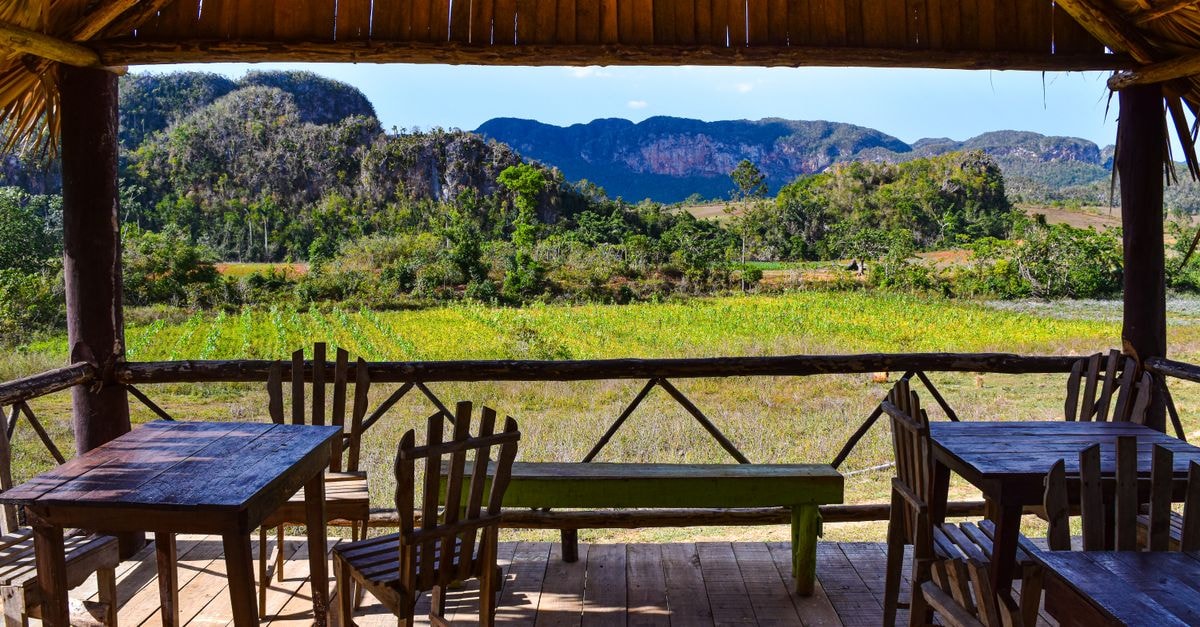
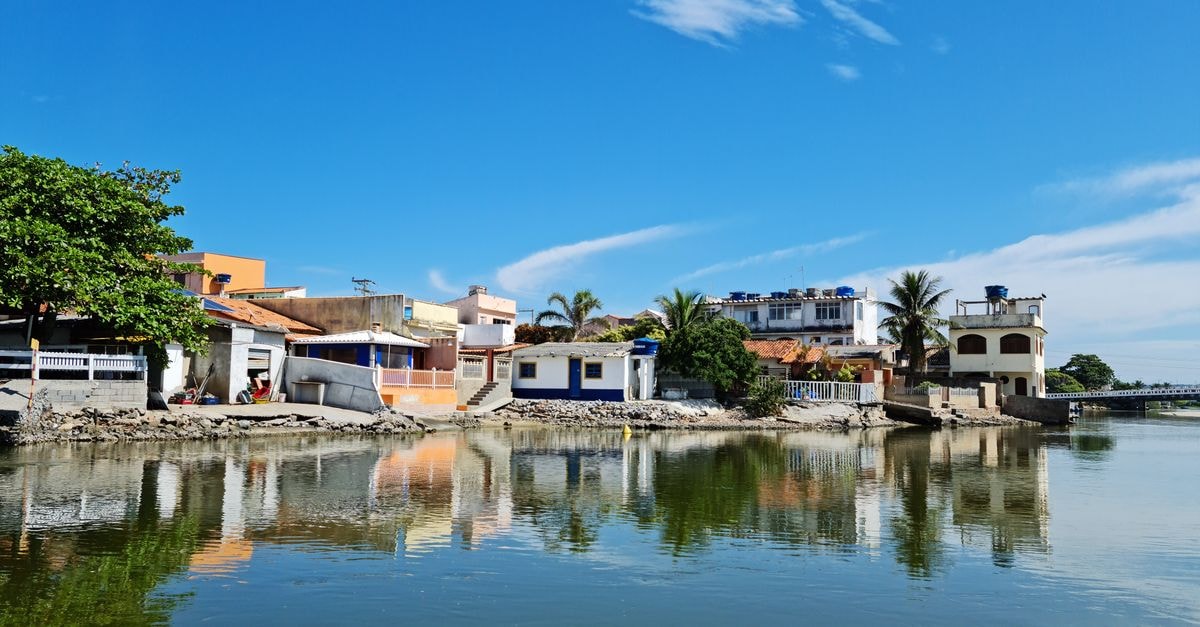
The area around Matanzas is also known for its coastal scenery, and the city sits in a setting that mixes river valleys, bridges, and sea air. Travelers who like to weave natural landscapes into a cultural visit may suit Matanzas, since the geography means you can move between plazas, waterfront paths, and viewpoints without long transfers. A practical approach is to spend one half of the day in the historic plazas and reserve the rest for a slower wander along the water, letting the city reveal itself in layers rather than at speed.
Food and local context
Matanzas cuisine reflects a palette of rich flavors that are deeply intertwined with the region's cultural heritage, and the city is celebrated not only for its picturesque landscapes but also for its diverse culinary offerings. Seafood tends to be a strong thread here, given the coastal setting, and local restaurants often lean into that bounty. For travelers who want a concrete starting point, Restaurante Bar O'Malley in Matanzas is known for seafood specialties, and their Camarones al Ajillo (garlic shrimp) is one of the dishes associated with the city's table.
Visiting a market can be one of the most rewarding ways to read a place, and engaging in a market visit will deepen your appreciation for the rich flavors of Matanzas' traditional dishes. Markets are where you see what is actually in season, how locals shop, and how the region's ingredients move from stall to kitchen. Even a brief stop, picking up fruit or a snack, can shift your sense of the city from a backdrop into a lived-in place. Travelers who prefer a slower, observational style of sightseeing may suit a market visit especially well, since the rewards come from paying attention rather than from ticking off sights.
It also helps to know the wider Cuba context that visitors may encounter while in Matanzas, because the city's table is connected to the island's broader food story. The most traditional staple in Cuba is Taíno cassava bread made from the yuca plant, which has been grown in the western hemisphere for thousands of years, and you may come across it in markets and on menus across the country. The Spanish legacy shows up in dishes like seafood paella, which travelers may encounter in restaurants that draw on nationwide recipes rather than city-specific traditions. Indigenous flavors also surface in the sweet taste of the mamey fruit, a tropical fruit with deep roots in the island's pre-Columbian past. None of these are exclusively Matanzas specialties, but knowing about them turns an ordinary meal into a small lesson in Cuban history.
Choosing what fits your trip
Because the city center is compact and the food scene is rooted in seafood and market produce, Matanzas suits travelers who prefer a slow, walkable base over a packed sightseeing schedule. The two central squares, Plaza de la Vigía and Plaza de la Libertad, are the natural anchors for a short stay, and the surrounding province adds room for anyone who wants to venture further without committing to a long haul. If your travel style leans toward places where plazas, markets, and waterfront paths do the heavy lifting, Matanzas tends to reward that approach more than a checklist mentality. Travelers who need large-scale nightlife, big museums, or a constant stream of marquee attractions may want to pair Matanzas with another stop rather than expecting the city to fill every kind of appetite on its own.
A note before you go
Factual travel conditions can change, so it is worth checking official channels and current local guidance before departure. If you have a particular restaurant, market, or plaza experience in mind, a quick confirmation on the ground is the easiest way to make sure your plans match the moment.
*Have a specific question about fitting Matanzas into a longer Cuba route, or want to know which plaza to visit at a particular time of day? Drop it in the comments and we can help you shape the details.*
Share this article
TOOLS FOR THIS PLAN
Make the Matanzas plan measurable
Choose a tool only when it answers the next question in your trip. Your values stay in the browser, and each tool offers a route back to this planning context.