A quiet provincial capital on Cuba's agricultural plains

Ciego de Ávila often slips under the radar compared with Havana, Trinidad, or Santiago de Cuba, and that low profile is part of its appeal. The city sits in the middle of one of Cuba's most important farming regions, a stretch of low-lying plains that form the agricultural heart of the island roughly between Havana and the eastern provinces. Travelers who like their trips gently paced, with more everyday Cuban life than showpiece architecture, may find that this slower rhythm suits them well. It is a place where the central park, the surrounding streets, and the rhythm of local commerce tend to set the tone of the visit.
That said, Ciego de Ávila is widely described as more of a provincial town than a bustling urban center. It is friendly and pedestrian in feel, and as a provincial capital it is surprisingly young, having been established only in 1849. Visitors who arrive expecting grand monuments or a packed schedule of sights may want to recalibrate; in this case, the appeal is less about chasing attractions and more about absorbing the unhurried mood of central Cuba.
Weather and seasonal context
The wider Ciego de Ávila province enjoys a tropical Caribbean climate, and that climate is the engine that makes the surrounding Jardines del Rey tourist area so popular. Calm Caribbean beaches near the province are often described as enjoyable for most of the year, with shallow waters that draw returning families. While the city itself sits inland rather than on the coast, visitors will likely notice the same warm, humid conditions that define this part of Cuba.
Travelers who prefer to avoid the strongest midday sun may want to consider planning more active sightseeing for the morning, with a slower afternoon spent in shaded plazas or cafés. Lightweight clothing, water, and patience with the pace of the day tend to be an asset in this climate.
Getting around
Because Ciego de Ávila has the character of a small provincial place, getting oriented is rarely the challenge here. The city center is walkable, with the kind of compact streets that reward slow wandering rather than ambitious itineraries. Visitors who like the feel of a town where most things cluster around a central area may find this layout suits them well.
If you prefer not to rely solely on walking, it is worth asking locally about the current options for short trips within the city, since the available factual evidence describes the urban character rather than a specific transport network. Travelers who prefer lively nightlife scenes may want to reconsider Ciego de Ávila as a destination, as the city is noted for offering only a couple of museums and precious little nightlife. Those who enjoy a quieter evening walk, a local bar, or an early dinner may feel right at home instead.
Attractions and planning
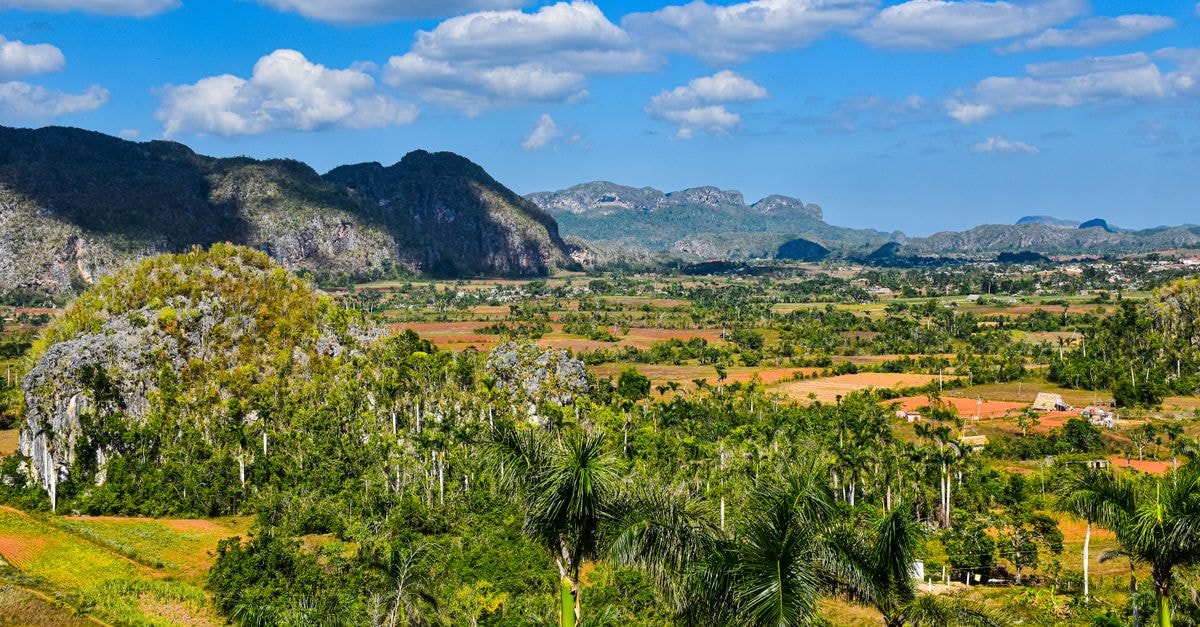
Visitors planning time in Ciego de Ávila should set their expectations accordingly. The city is described as featuring few tourist attractions beyond a couple of museums, and its appeal lies less in a packed sightseeing list and more in its role as a gateway to the surrounding agricultural plains. The wider Ciego de Ávila and Camagüey provinces form the low-lying agricultural heart of Cuba, and travelers with an interest in rural landscapes, farming country, or the everyday texture of inland Cuba may find that angle rewarding.
For travelers who prefer art, history, or cultural museums, the city's small museum scene offers a compact way to spend a half-day. Travelers who prefer beaches, resorts, or larger resort developments may find that the coast around the province, including the Jardines del Rey area, is where the heavier tourism infrastructure sits, while the provincial capital itself is best approached as a calmer cultural stop. Because the available evidence does not give verified opening hours, ticketing information, or closure status for individual sites, it is worth checking locally for the latest details before heading out.
Food and local context
Cuban food culture is something visitors will encounter in Ciego de Ávila just as they would elsewhere in the country, and a little background helps frame what turns up on local tables. The most traditional staple in Cuban cooking is Taíno cassava bread, made from the yuca plant, which has been cultivated in the western hemisphere for thousands of years. That long indigenous history is part of why cassava-based dishes still feel so rooted in everyday Cuban meals.
The Spanish legacy is also part of the flavor of Cuban cooking, and visitors may come across family-style seafood paellas that reflect that heritage. Sweets made with the mamey fruit offer another thread of indigenous past on Cuban tables. Travelers who enjoy exploring a country's traditional staples, rather than only restaurant menus, may find this background adds depth to even a simple meal in the city.
It is also worth knowing that Santería, known as Regla de Ocha, is Cuba's most widespread religion, blending West African Yoruba spiritual traditions with Catholic saints. Visitors who are curious about how African, indigenous, and Catholic influences meet in everyday Cuban culture may find this context useful when listening to music, visiting markets, or simply observing local life in the city. None of this turns Ciego de Ávila into a special food or cultural capital on its own; rather, it offers background that visitors may notice while spending time in the area.
Choosing what fits the trip
Because Ciego de Ávila is a calm town with limited nightlife and a walkable layout, it works well for those who like to settle into a place rather than sprint through one. A few travelers may want to weigh whether the quieter rhythm and small museum scene suit the kind of trip they have in mind. Others may find that the appeal is precisely that unhurried pace, paired with an interest in the wider Cuban food traditions and the agricultural landscapes that surround the provincial capital. In either case, the city tends to reward visitors who arrive curious about everyday Cuba rather than expecting a showcase destination.
A short verification note: practical details such as opening hours for the city's museums, current transport options within Ciego de Ávila, and the status of nearby sites can change, so checking locally or through official channels before final plans is always a good idea.
*Factual conditions in any destination can change. Rates, hours, and on-the-ground details should be confirmed through official sources before departure.*
Share this article
TOOLS FOR THIS PLAN
Make the Ciego de Ávila plan measurable
Choose a tool only when it answers the next question in your trip. Your values stay in the browser, and each tool offers a route back to this planning context.