A quiet gateway into Shikoku

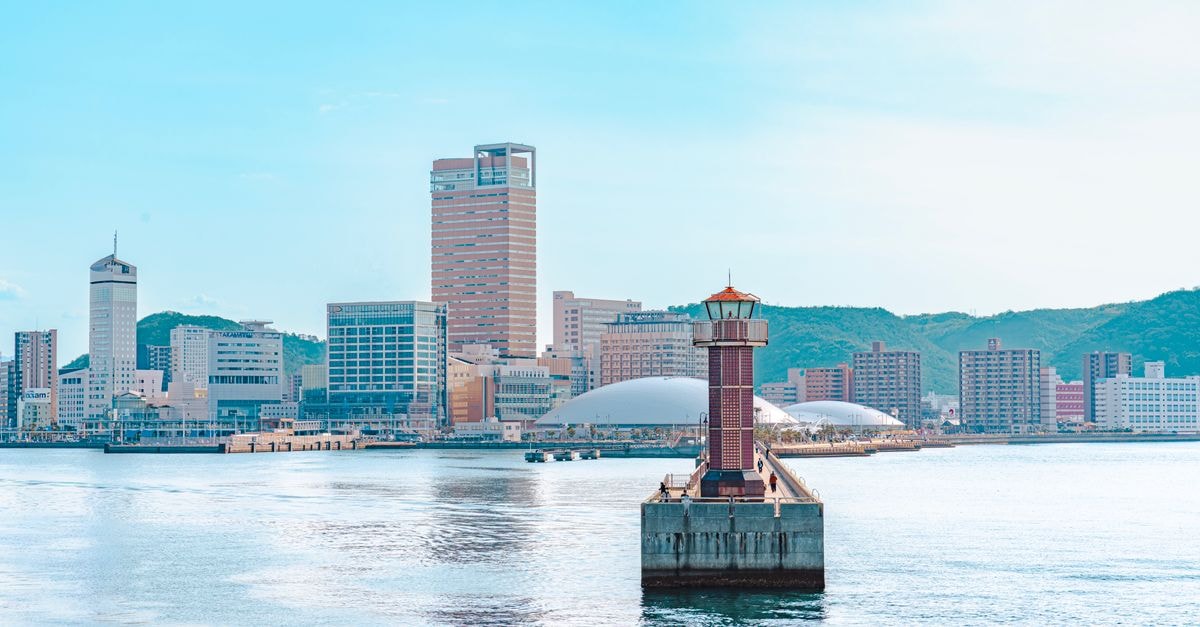
Matsuyama, the largest city on the island of Shikoku, has a way of settling visitors into a softer rhythm. With the sea on one side and mountains framing the rest of the horizon, the city feels like a place where slow mornings and steaming hot springs belong to the same day. It is unhurried without being sleepy, and the mix of historic bathhouses, hilltop castle views, and a deep food culture makes it easy to build a thoughtful itinerary around just a handful of anchor experiences.
This guide is written for travelers who like to know the lay of the land before they go. The focus is on what is actually supported for the city itself: the everyday climate context, the simplest way in from the airport, the attractions that define a Matsuyama visit, and a few notes on the local food culture that makes the city worth slowing down for.
Weather and seasonal context
Matsuyama sits in a mild part of western Japan, and the citywide climate data suggests a comfortable range for most of the year. Average water temperatures in the Seto Inland Sea area trend from cooler readings in winter up through the high seventies Fahrenheit in midsummer, with August often running the warmest. That warmth rarely feels punishing the way it can in larger Japanese cities, but it does shape how the day feels.
For travelers planning around warm-weather activities, the tourism score referenced in the source points to the early September through late October window as the most pleasant period. Visitors arriving in warmer months will want to plan a pace that allows for indoor pauses, a midday coffee, a museum stop, or a long lunch with cold local seafood. Bring layers for evenings even in warmer seasons, because Matsuyama sits on a mountain-ringed plain and the hilltop castle grounds can catch a breeze that is easy to underestimate.
A reasonable approach is to start early, take a real break in the early afternoon, and save hot spring time and walking neighborhoods for the cooler end of the day. None of this is prescription, just a way to let the city's climate work with you rather than against you.
Getting around
On longer routes into the region, flying generally saves significant time once airport procedures are factored in, which is a useful consideration if you are weighing air versus rail from a distant hub like Tokyo or Osaka. Within the city, the tram and local bus network is well suited to the compact central districts, and most of the headline experiences sit along a few easy routes. A simple plan is to let the bus handle the airport transfer, then walk and use the tram for the rest of the stay.
Attractions and planning
Three anchor experiences tend to shape a Matsuyama visit, and each one pairs well with a slow morning. **Matsuyama Castle** is the city's defining landmark and a symbol of its long history, and the climb up to the keep rewards you with a sweeping look over the surrounding plain and out toward the sea. It is also a useful orientation point. Once you have stood on those walls, the rest of the city makes more sense.
In a very different register, the **Bocchan Wind-Up Clock** is a small but charming stop that adds a playful moment to a day of sightseeing. Locals and visitors often gather to watch the mechanical figures step out on the hour, and the area around it is a natural place to pause and watch the city move.
Then there is **Dogo Onsen**, one of the city's main tourist attractions and a place that runs deep in Japanese literary culture. Frequently mentioned in the novel *Botchan*, the bathhouse carries a weight that goes beyond its hot water, and a soak here can become the gentle center of a Matsuyama trip. Plan to arrive with enough margin to settle in rather than rushing through.
Food and local context
Matsuyama's identity as a food city begins with geography. The city is enveloped by the sea on one side and mountains on the other, and the warm climate supports a layered larder. Among the prized ingredients are sea bream, scad, and pilichards, which are particularly valued by some of the best restaurants in Japan. These are not novelties for travelers. They are the everyday backbone of menus in the city.
For local cuisine specifically, one classic to look for is **Two Kinds of Sea Bream with Rice (Hōjō)**. It reflects how the shoreline shapes what lands on the plate and how Matsuyama cooks with what the Seto Inland Sea offers. In wider Japan context, travelers may notice a careful respect for seasonal ingredients and presentation across menus, a sensibility worth being open to even if you arrive without specific terms in mind.
The practical advice is simple. Eat slowly. Ask what is local, and let servers guide you toward whatever is freshest that week. Matsuyama rewards travelers who treat meals as part of the sightseeing rather than a refueling break between sights.
A few practical notes before you go
A handful of small habits will make Matsuyama feel easier. Have a few yen coins ready when you step off the plane, because the airport bus ticket machines are simple but cash-flowed in practice. Plan around the city's two main rhythms: a sightseeing morning, an afternoon break, and a relaxed evening. Anchor your days to either the castle or Dogo Onsen rather than trying to fit both plus the surrounding region into one walk.
Nothing here replaces a check of the latest schedules or an opening-hour confirmation closer to your departure, and conditions on the ground can shift. Treat the notes above as a calm starting point for planning rather than a fixed itinerary, and you will find Matsuyama very forgiving.
---
*Factual travel conditions can change. Confirm transport schedules, opening hours, and any local advisories through official channels before you travel, and check current exchange rates if you are converting yen from another currency.*
Share this article
TOOLS FOR THIS PLAN
Make the Matsuyama plan measurable
Choose a tool only when it answers the next question in your trip. Your values stay in the browser, and each tool offers a route back to this planning context.