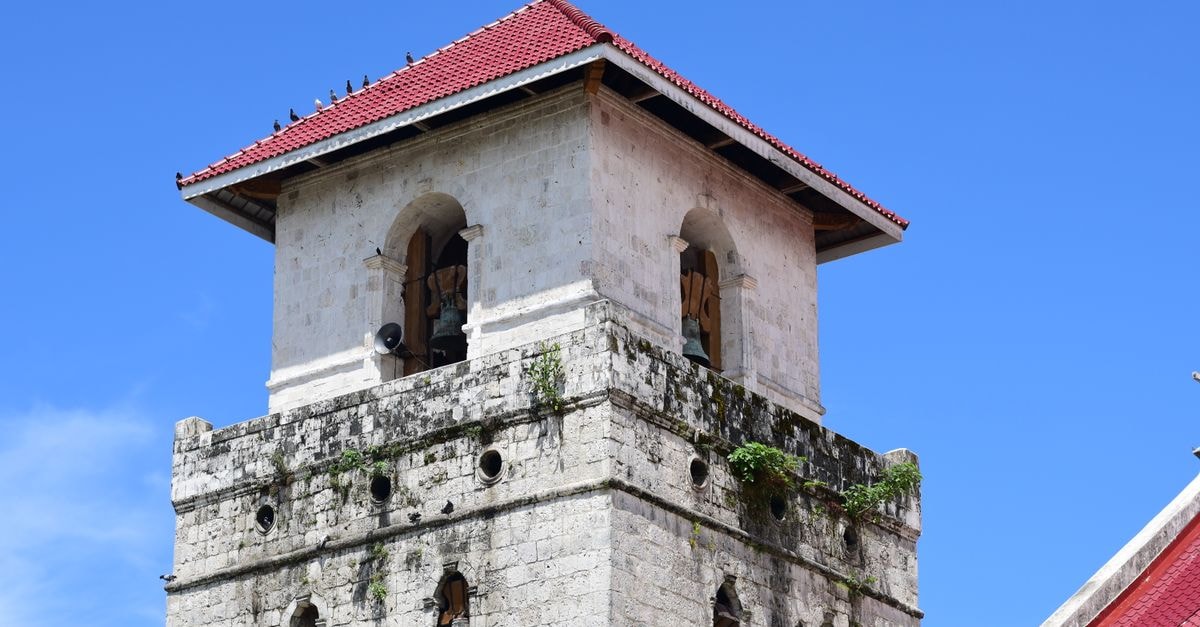
An unhurried gateway on the Seto Inland Sea

Takamatsu has the feel of a port city that still keeps its own pace. It sits on the northern coast of Shikoku and opens gently onto the Seto Inland Sea, with mountains, water, and a tidy grid of streets within easy reach of the station. The draw is not a single headline sight but a relaxed layering of craft, food, gardens, and art, the kind of place where you can drift from a leafy park to a gallery to a fish market without rushing. Think of it as a quieter counterpoint to Japan's bigger gateway cities, useful as a base for slow walking, slow eating, and slow looking.
Weather and seasonal context
Takamatsu sits in a part of Japan where the rhythm of the year is shaped by rainfall, and travelers who treat weather as something to plan around rather than push through tend to enjoy the city most. On wet days it helps to lean into covered spaces and the kind of attractions where you move slowly indoors, then step back outside when the sky softens. Sunshine hours vary through the year, so layering a light jacket or a folding umbrella into your day is a small habit that pays off. Pacing your day around the weather, rather than racing a checklist, suits the city's tempo.
Getting around
The simplest framing of getting around Takamatsu is that you do not have to think hard about it. Short-term foreign visitors to Japan can use the All Shikoku Rail Pass for unlimited rides on all six railways across Shikoku, which can be a useful way to keep the city connected to the wider island if your itinerary stretches beyond Takamatsu itself. Inside the city, public transport handles the main arteries, and many of the headline stops are within a walkable radius of the station. For everyday fares on local trains and buses, IC cards are part of the wider Japan travel toolkit. Suica is the well-known IC card issued by East Japan Railway Company, and manaca is another IC card option; IC cards that work across the JR Group and participating operators across Japan are generally accepted, which makes hopping on and off local services much smoother than paying in cash each time.
Attractions and planning
Two anchors tend to define a first visit. The first is Ritsurin Park, one of the largest gardens in the region and a place people return to more than once during a stay. It reads as a classic strolling garden, with ponds, sculpted pines, and a careful relationship between path and view that rewards slow walking rather than rushing for the exit. Mornings tend to feel calmer, and the garden rewards visitors who give it more than a quick lap.
The second anchor is the Takamatsu City Museum of Art. Takamatsu has a more active local arts scene than visitors sometimes expect, and the museum is the most direct way to read that scene for yourself. It is the kind of stop that pairs naturally with the garden: start outside in green space, then step indoors for a quieter hour with the collections. Together, Ritsurin Park and the Takamatsu City Museum of Art sketch a balanced day of movement and stillness, which feels right for the city's pace.
If you have more than a day in Takamatsu, the practical move is to keep your base central and repeat visits to these anchors at different times of day rather than packing in new sights at speed. A loose plan, two or three unhurried anchors per day, suits the place better than a tightly scheduled route.
Food and local context
Takamatsu is a port city, and the most direct way to taste that is at the Takamatsu Fish Market. Seafood lovers tend to make it a priority, and it is one of the easiest places in the city to see what is coming off the boats that morning. Treat it as a working market: walk in, follow what looks and smells best, and eat close to the source. In wider Japanese food culture more broadly, raw fish served as sashimi or as nigiri sushi is a familiar encounter for visitors, and a coastal city like Takamatsu makes that connection feel especially close at hand.
A small note on conditions and planning
Travel conditions change. Train schedules, ticket terms, opening hours for the garden and the museum, and the daily catch at the market can all shift without much warning. Treat anything in this guide as a starting frame, and confirm current details through official channels before you travel. Factual travel conditions can change, and it is always worth checking the latest information before departure so your trip matches what you actually find on the ground.
Verification note
This guide is built from a deliberately small set of approved facts about Takamatsu's weather, transport, attractions, and food. Where a detail is not directly supported by the source material, it has been left out rather than guessed. That is why you will not see specific prices, precise opening hours, or rankings here: those are the kind of facts worth checking closer to your trip through official sites and current listings.
Share this article
TOOLS FOR THIS PLAN
Make the Takamatsu plan measurable
Choose a tool only when it answers the next question in your trip. Your values stay in the browser, and each tool offers a route back to this planning context.